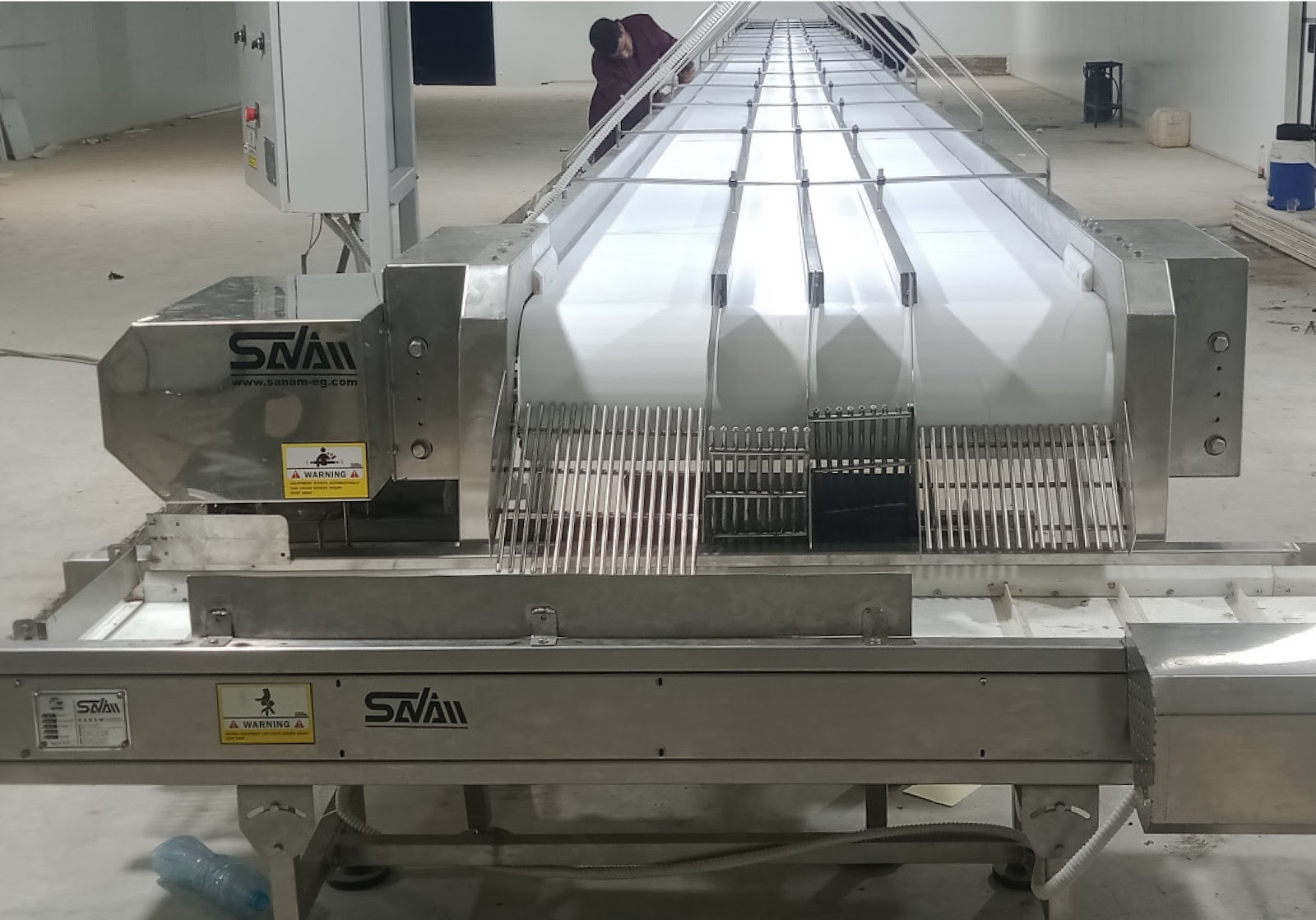
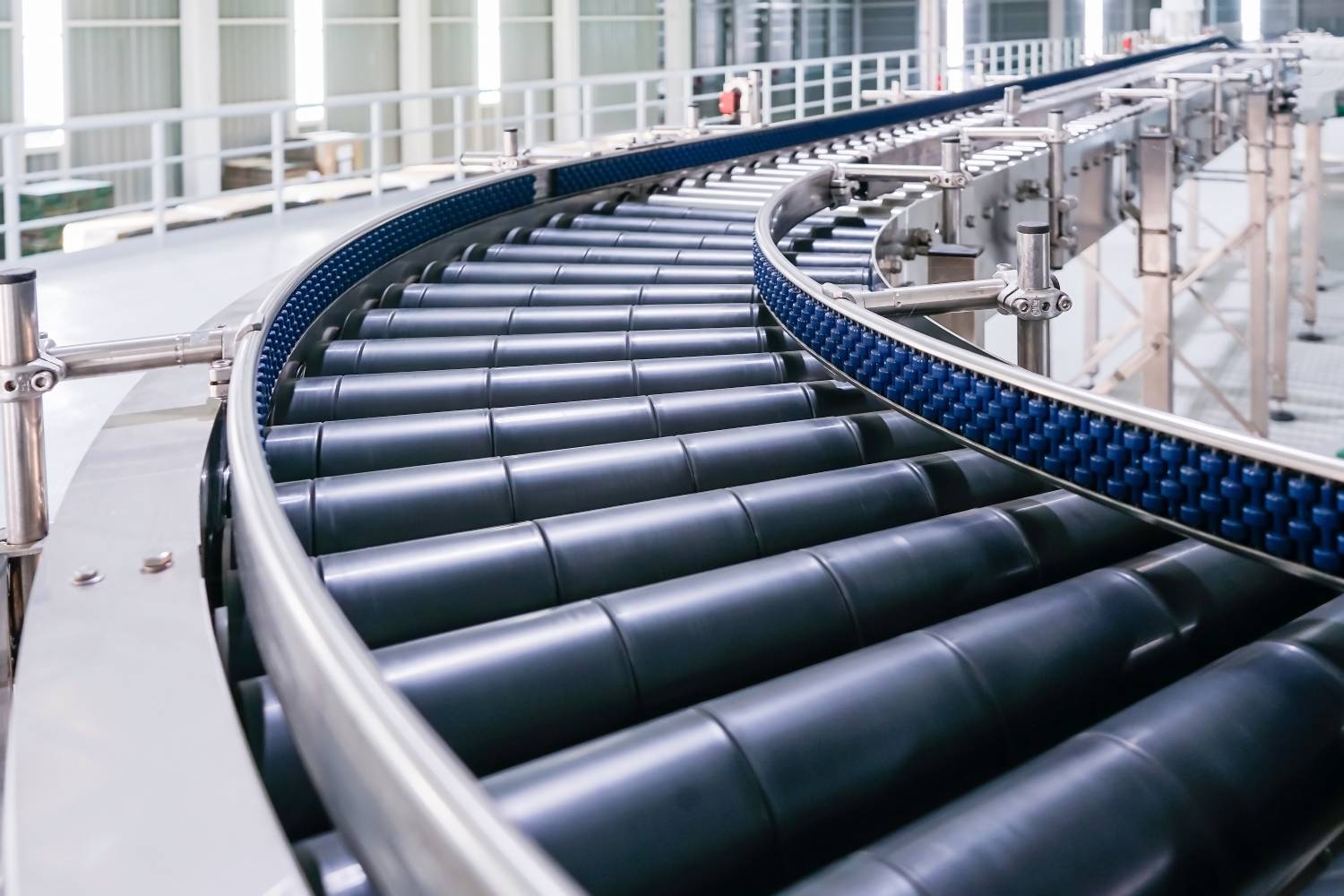
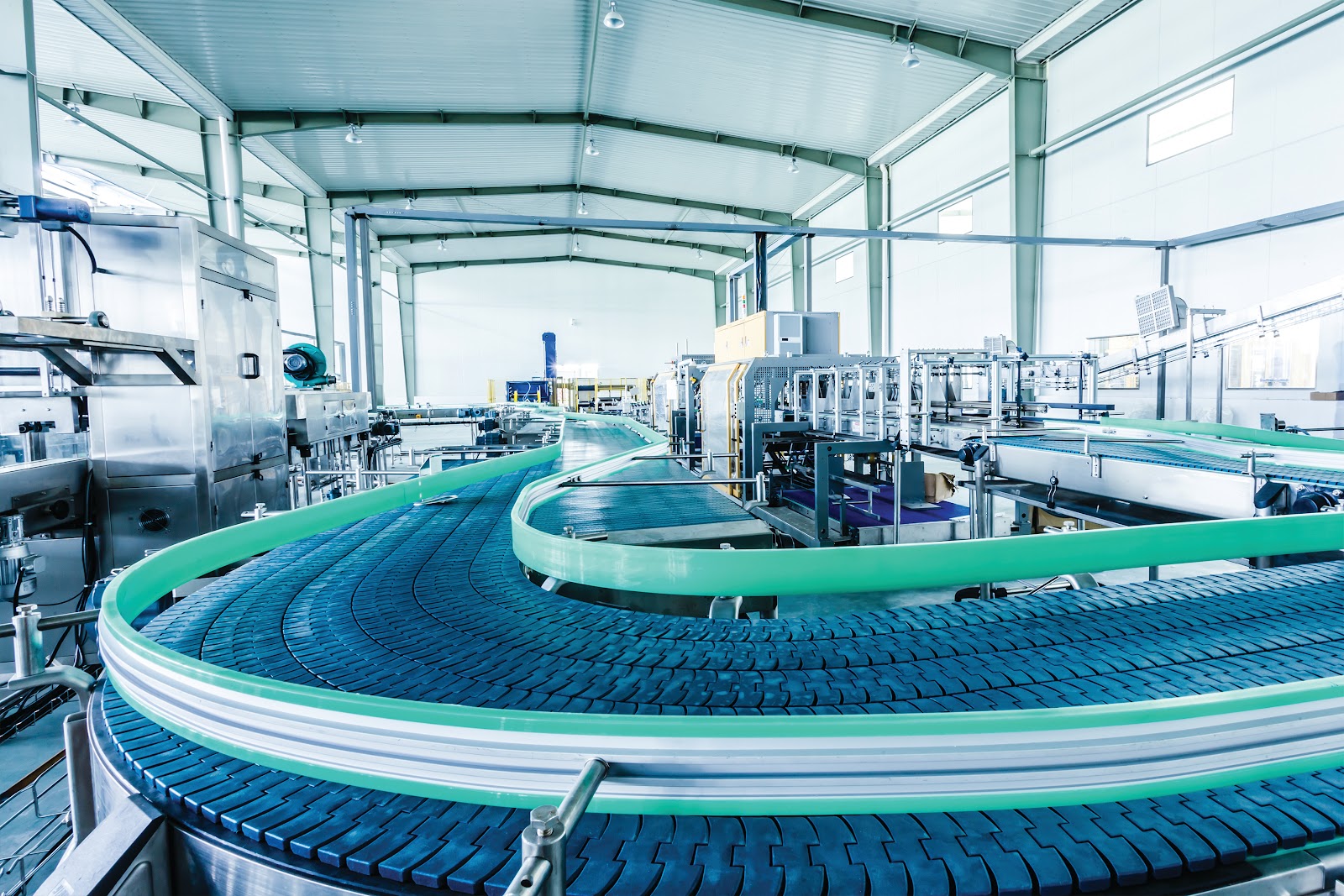
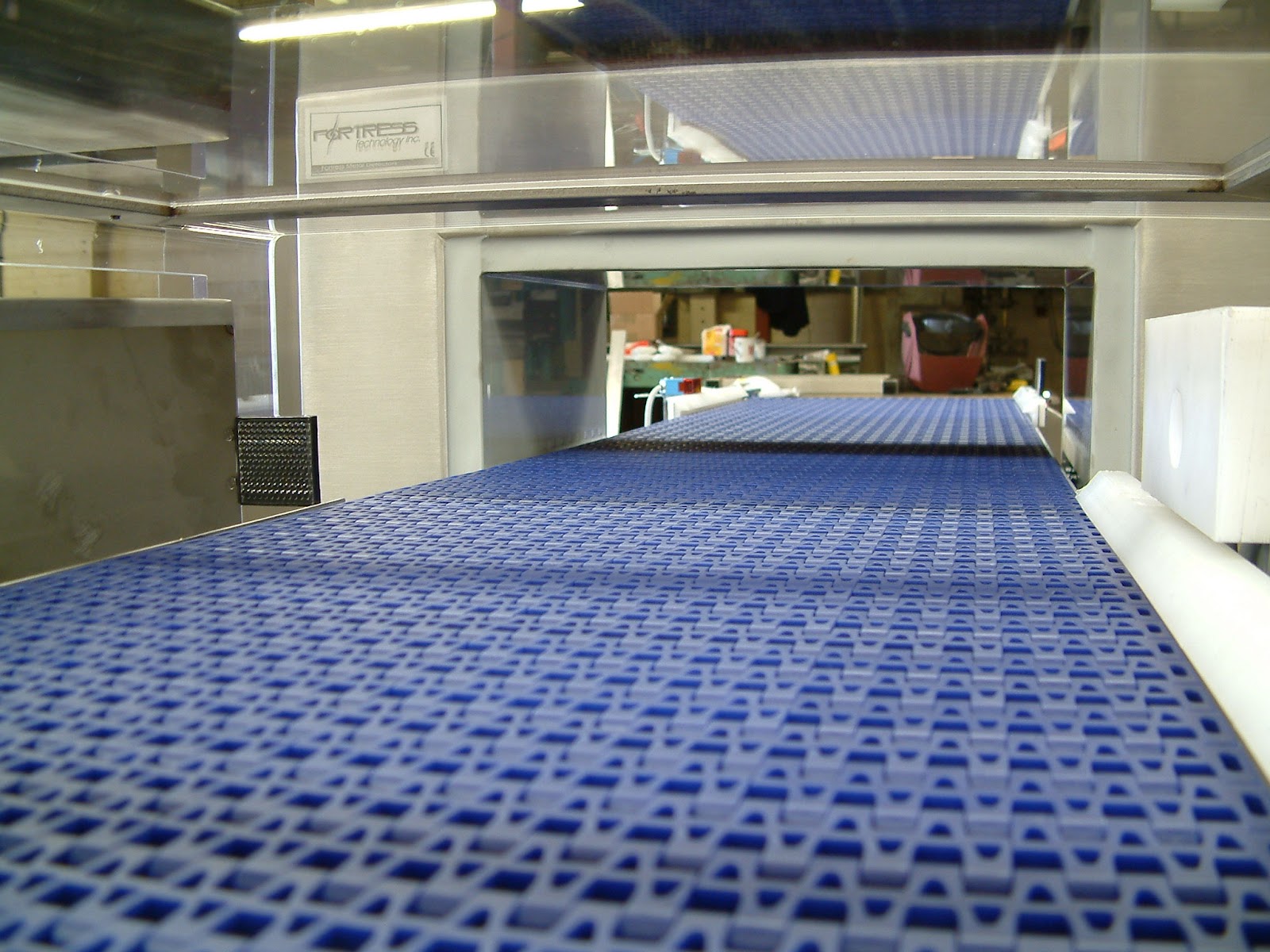
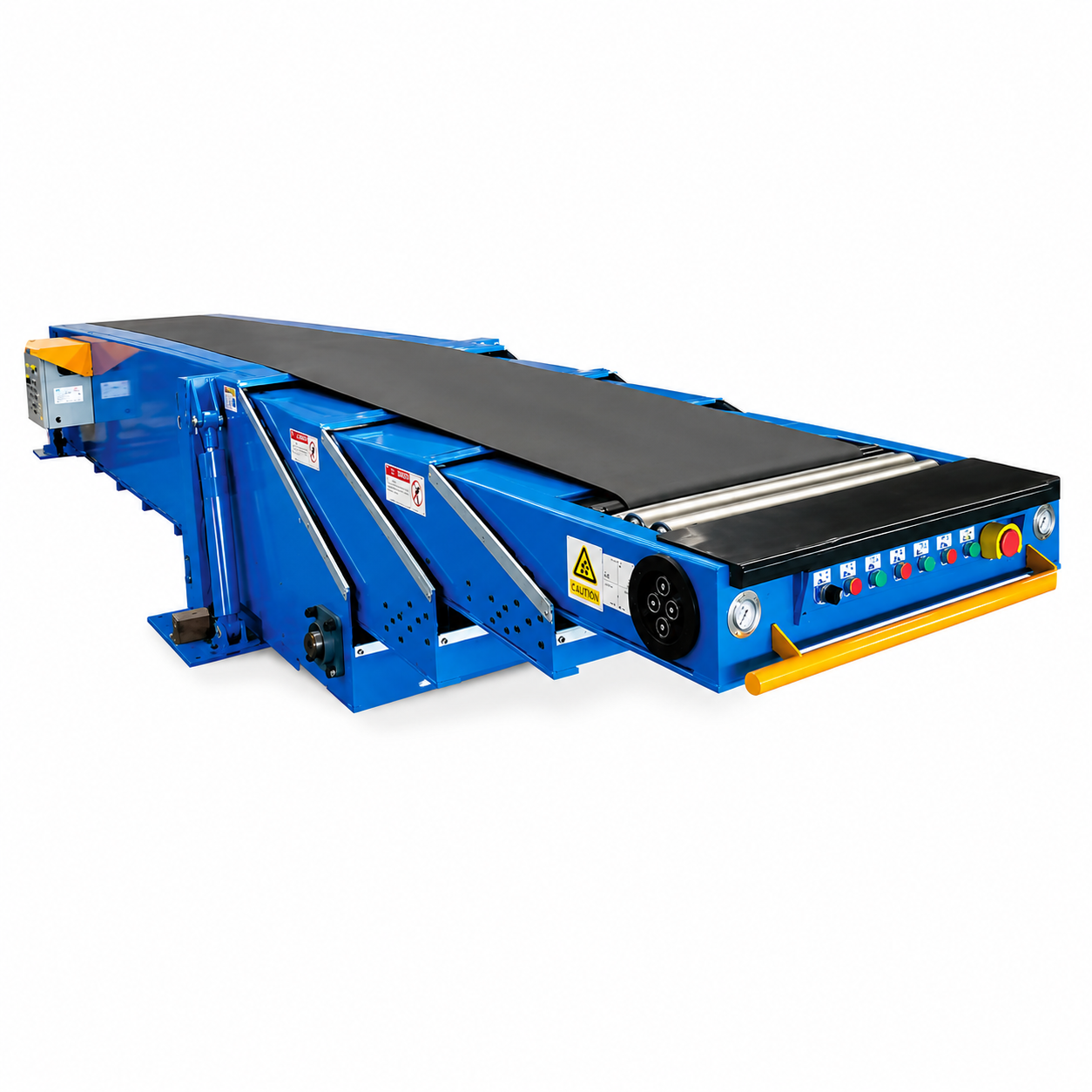
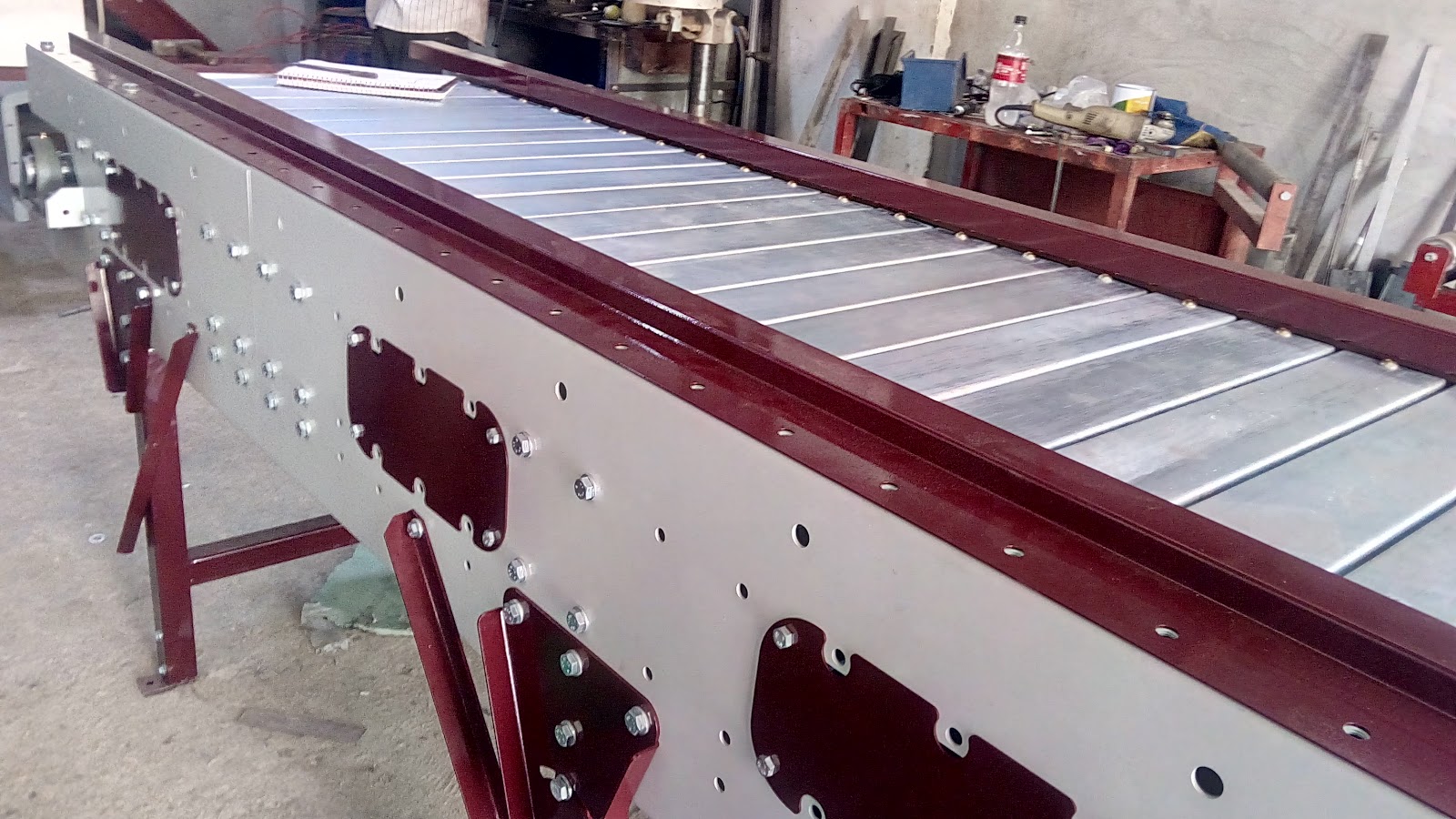
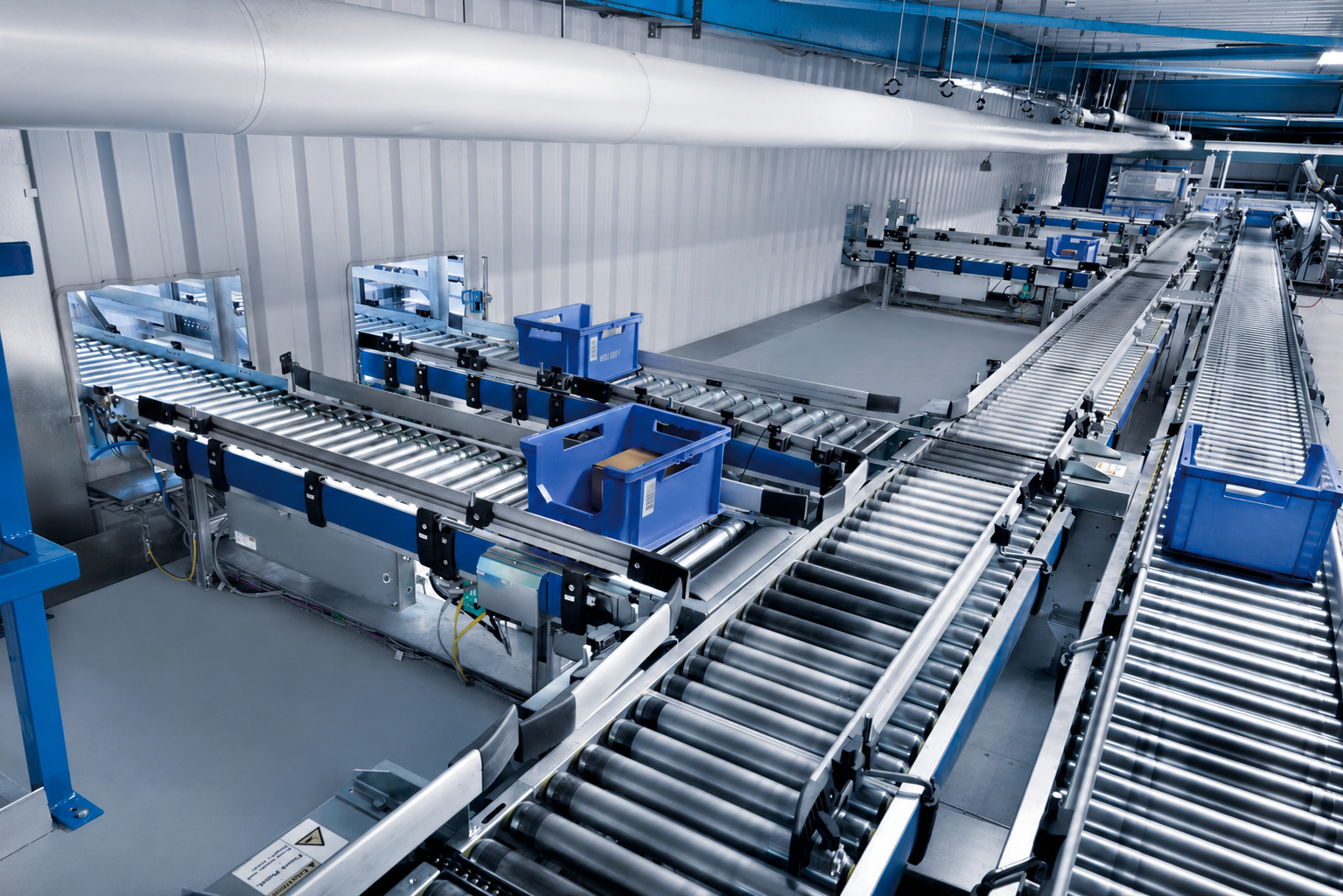
The workhorse of any production floor — built from PVC, PU, or rubber belts on steel or stainless steel frames. Three configurations cover every load profile: roller-base up to 80 kg/m, skid-base up to 35 kg/m, and sidewall/troughed for bulk materials. Side guides and cleats handle elevation and product containment when you need them.
Six things that set a SANAM-built belt conveyor apart from a generic catalogue conveyor — every one of them a decision we make at the engineering desk before fabrication begins.
Three belt material options matched to your product: PVC for general-purpose packaging and light-to-medium loads, polyurethane (PU) for food-grade hygienic environments, and rubber for heavy-duty applications and rough materials.
Roller-base for medium-to-heavy loads up to 80 kg per linear meter, skid-base (sliding plate) for light loads up to 35 kg per linear meter, and sidewall/troughed for bulk material flow with custom throughput. SANAM matches the configuration to your product weight.
Longitudinal side guides prevent product from falling off the belt edge. Transverse cleats (flights) lift product up inclines without slipping. Both are made from the same belt material — fully integrated, no add-on parts.
Powder-coated mild steel for industrial and warehouse applications. Stainless steel SS 304 for food processing, pharmaceutical, and washdown environments. The frame material is matched to your hygiene and corrosion-resistance requirements.
Belt width sized to your product — narrow for small cartons and bags, wide for crates and bulk containers. Lengths configured to your factory layout, not a catalogue size chart. The conveyor fits your floor plan instead of forcing you to fit a standard.
Every belt conveyor is fully assembled and run-tested in our 10th of Ramadan facility before it ships — checking belt tracking, motor performance, and frame alignment. Site installation becomes connection and commissioning, not building from a kit.
The belt conveyor adapts to your factory floor — straight runs, inclines, lateral shifts, and bulk-material containment. Combine multiple shapes into one continuous belt when your layout calls for it.
Vertical-to-horizontal transition — receives product from above (e.g. from a higher line or hopper) and discharges it horizontally to the next station.
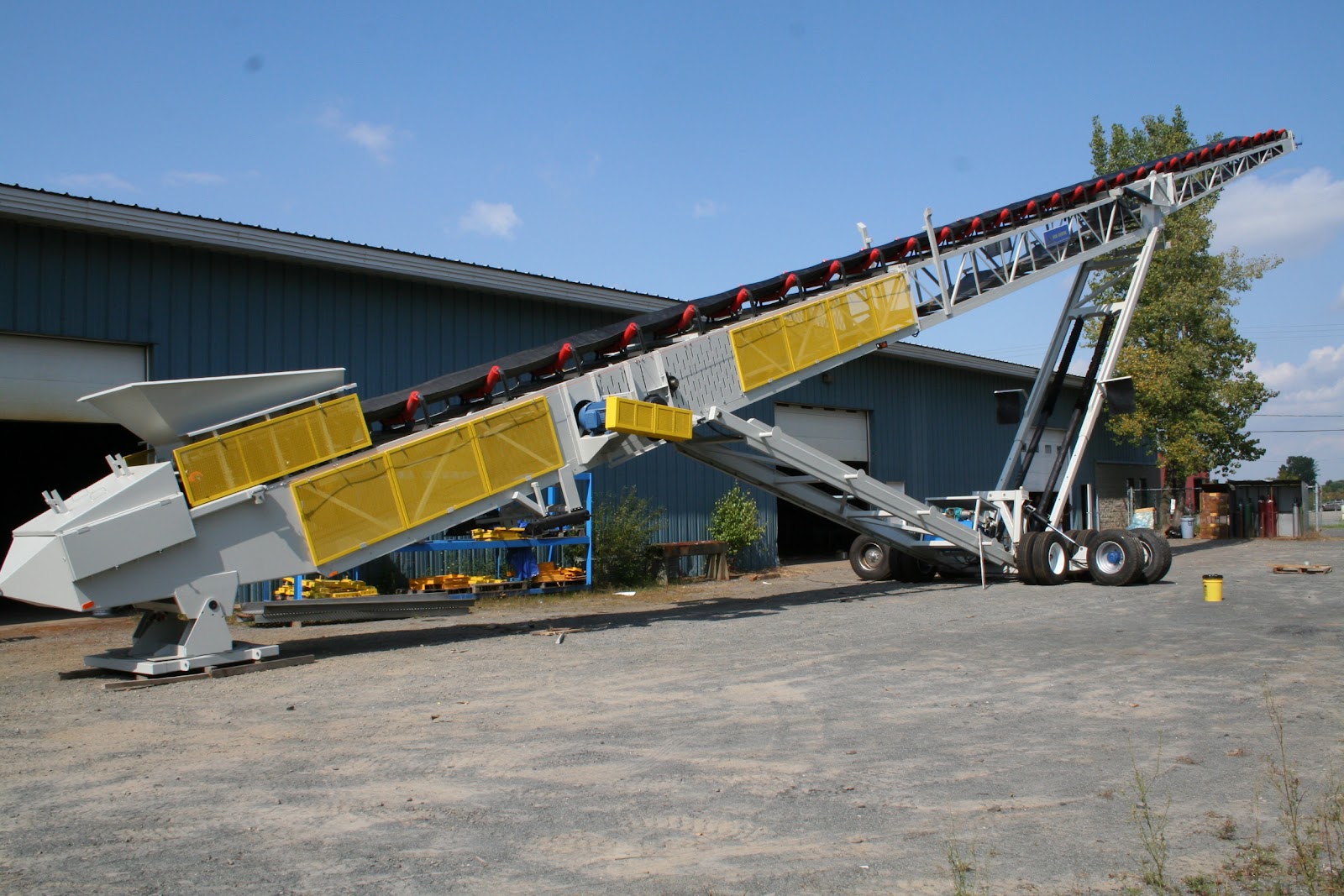
Heavy-duty rubber belt on a reinforced steel frame — built for cement plants, quarries, construction sites, and any environment where the belt takes abuse.
Standard straight run between machines or stations — the workhorse layout that anchors every belt conveyor installation.
Elevation change — lifts product between floors or to a higher transfer point. Transverse cleats (flights) on the belt or longitudinal side guides prevent product from slipping back or falling off.
Two opposing curves in one belt run — used to bypass a column, machine, or wall, or to shift the production line laterally without breaking material flow.
Photos from real SANAM-built installations — not stock images, not renders.
Six industries where the belt conveyor is the right tool for the job — from light packaging lines to heavy bulk materials.
Cartons, boxes, and packed products move between fillers, sealers, labelers, and palletizers on skid-base belts.
Loading, unloading, and warehouse transfer — roller-base belts handle palletized goods and bulk cartons between trucks, storage, and distribution areas.
PU food-grade belts on stainless steel SS 304 frames carry biscuits, chips, breads, and packaged snacks through production, cooling, and packaging stations.
Cement, sand, sugar, rice, and grain — sidewall and troughed belt configurations move bulk material flow at industrial throughput rates.
Stainless steel SS 304 frames with PU belts under hygienic protocols — for tablet, capsule, and pharmaceutical packaging lines with strict cleanliness requirements.
Construction sites, quarries, foundries, and recycling operations — rough-terrain rubber belts on reinforced steel frames take abuse where lighter conveyors fail.
Anyone can sell you a conveyor. The question is who picks up the phone six months later when a chain segment fails on a Sunday night.
The conveyor is designed, fabricated, and assembled in our 10th of Ramadan facility — by the same team that installs and supports it. No middleman, no resold equipment, no relabeled imports.
We design around your factory floor, your existing fillers and packers, and your container specs. We don't sell standard parts hoping they fit — we design for your line.
Spares are typically available within 48 hours from our Egyptian inventory — no import waits, no customs delays, no production downtime while you wait for a chain segment from Europe.
We don't just supply a conveyor. We connect it to your existing line — matching speed, height, and transfer geometry to your fillers, cappers, labelers, and packers. The line becomes one system, not a stack of disconnected machines.
The questions our engineering team hears most often when a factory owner is sizing up a new conveyor for an existing or new line.
A SANAM engineer can scope your line, walk you through the choices, and give a budgetary figure on the same call.
Talk to an Engineer →Gravity (GRC) or motorized (MRC). Plastic, steel, or SS 304 rollers per application.
View ConveyorBeverage-line backbone. Food-grade plastic or SS 304 segmented chain.
View ConveyorFood-grade modular belt. Interlocking modules on SS 304 frame.
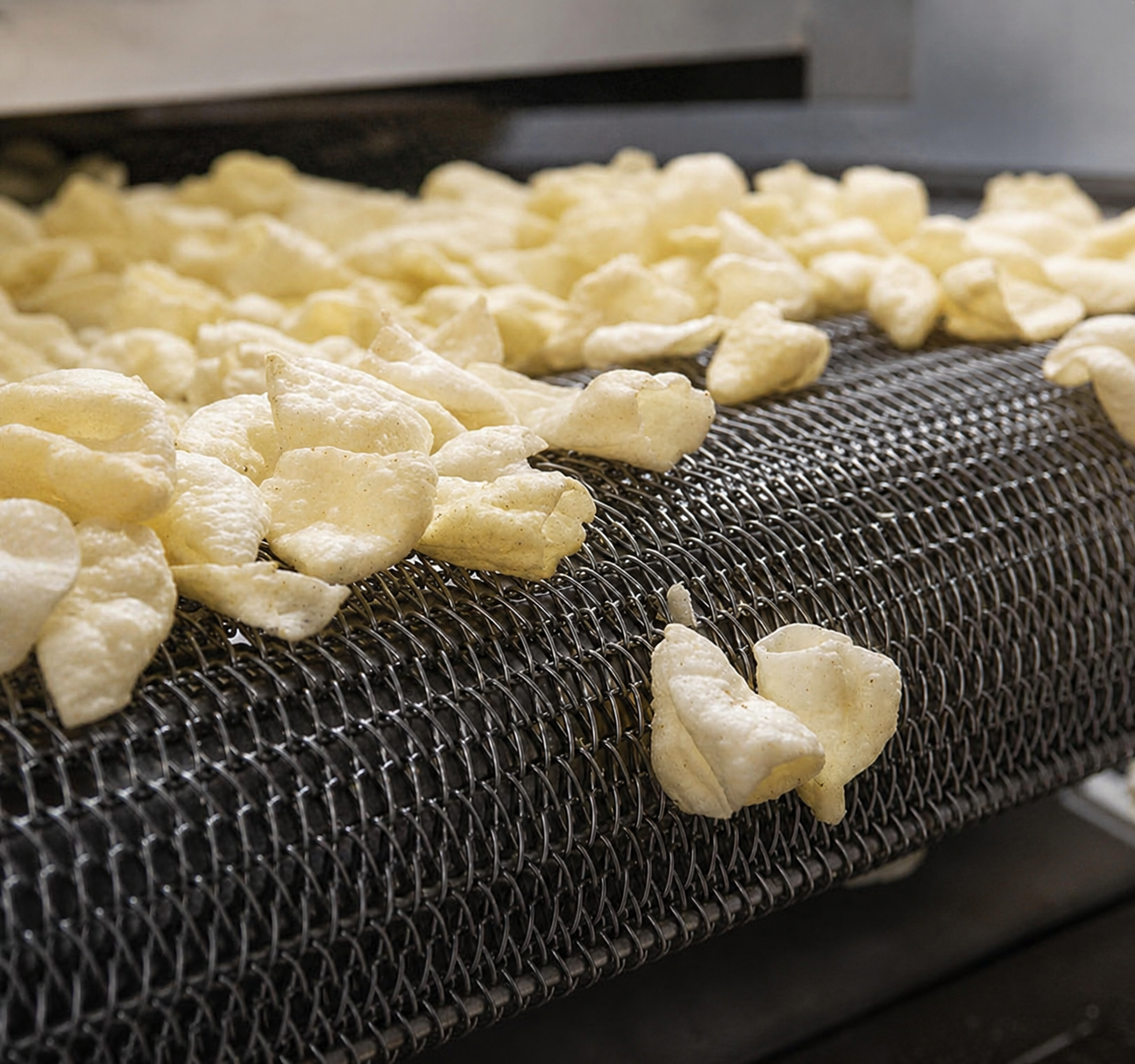
View ConveyorThe belt IS part of the process. Open mesh for cooling, freezing, washing, frying.
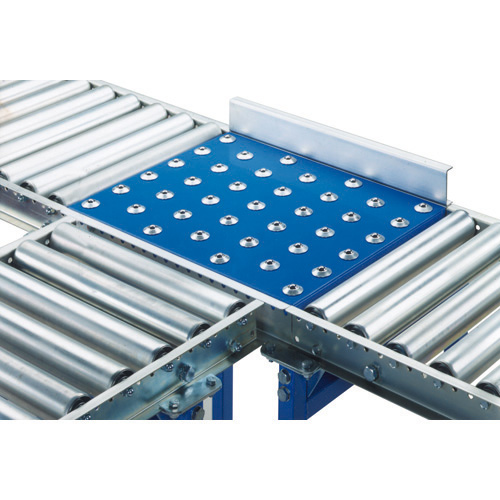
View ConveyorMulti-directional positioning. Steel or SS 304 surface with embedded ball units.
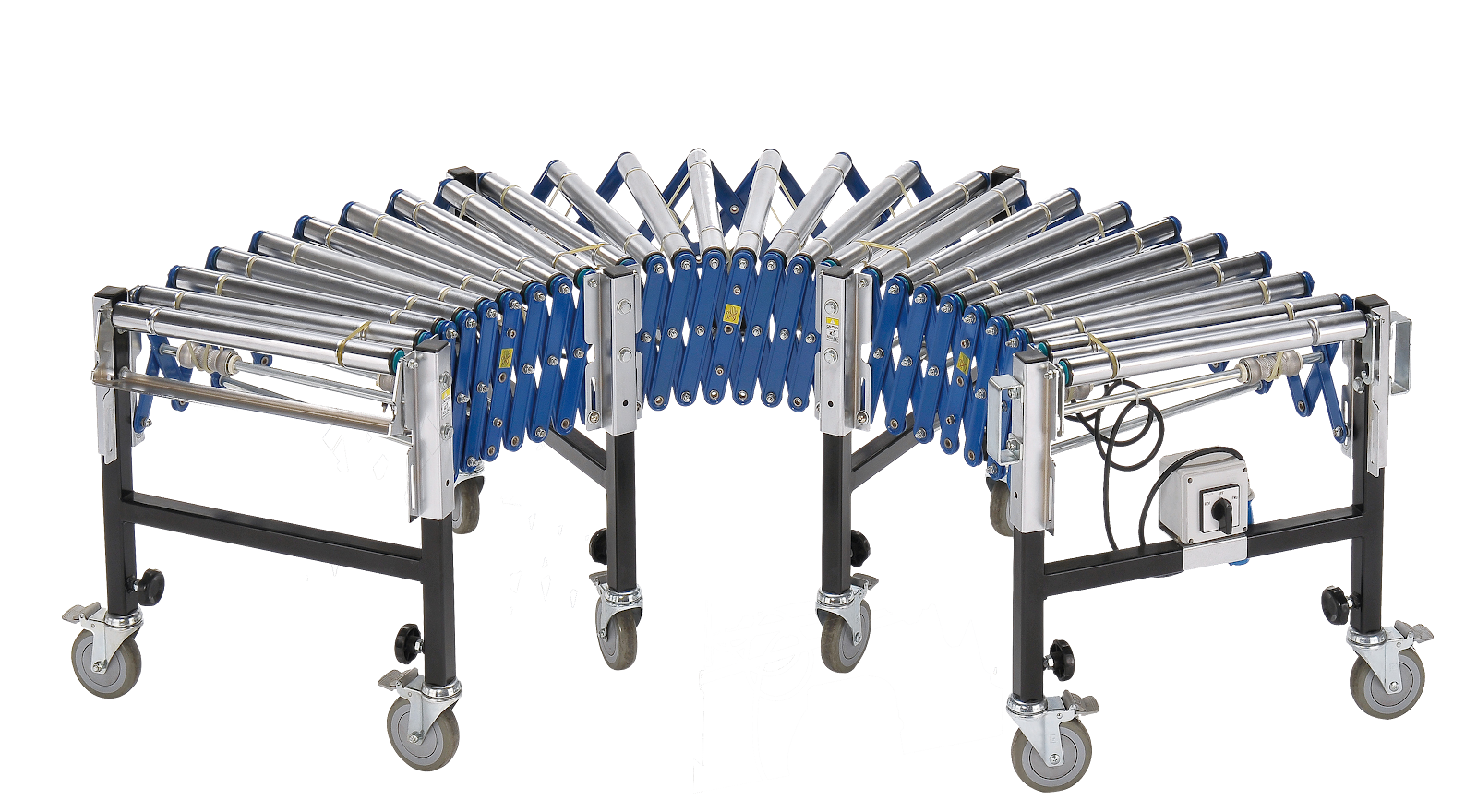
View ConveyorAccordion-folds and curves. Lightweight cartons through flexible layouts.
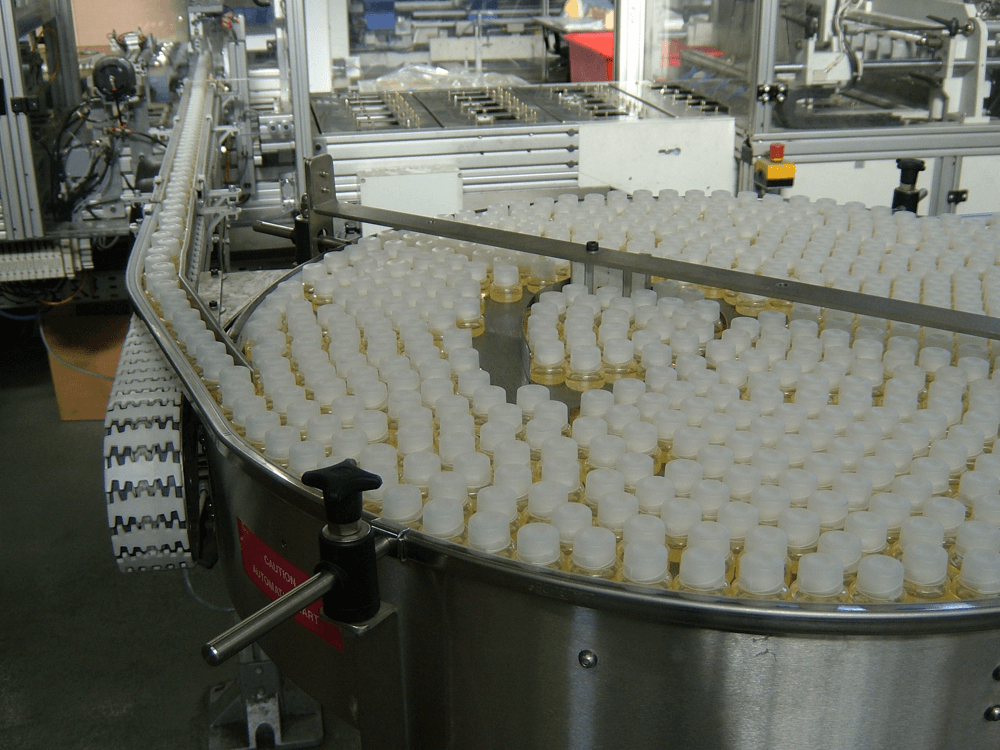
View ConveyorInfeed or outfeed buffer. SS 304 disc with VFD speed control.
View ConveyorLifts between floors. Continuous CVC or reciprocating RVC platforms.
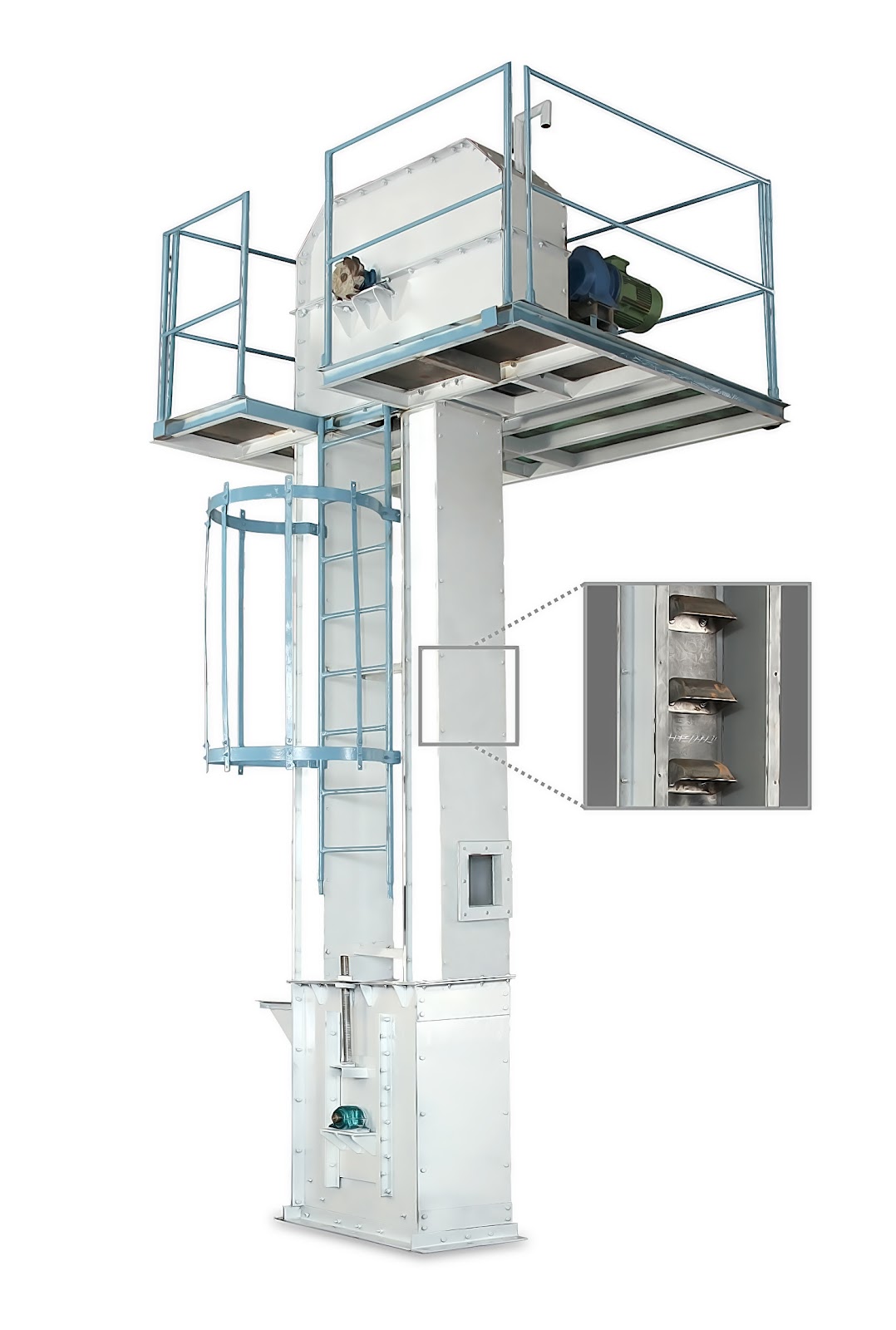
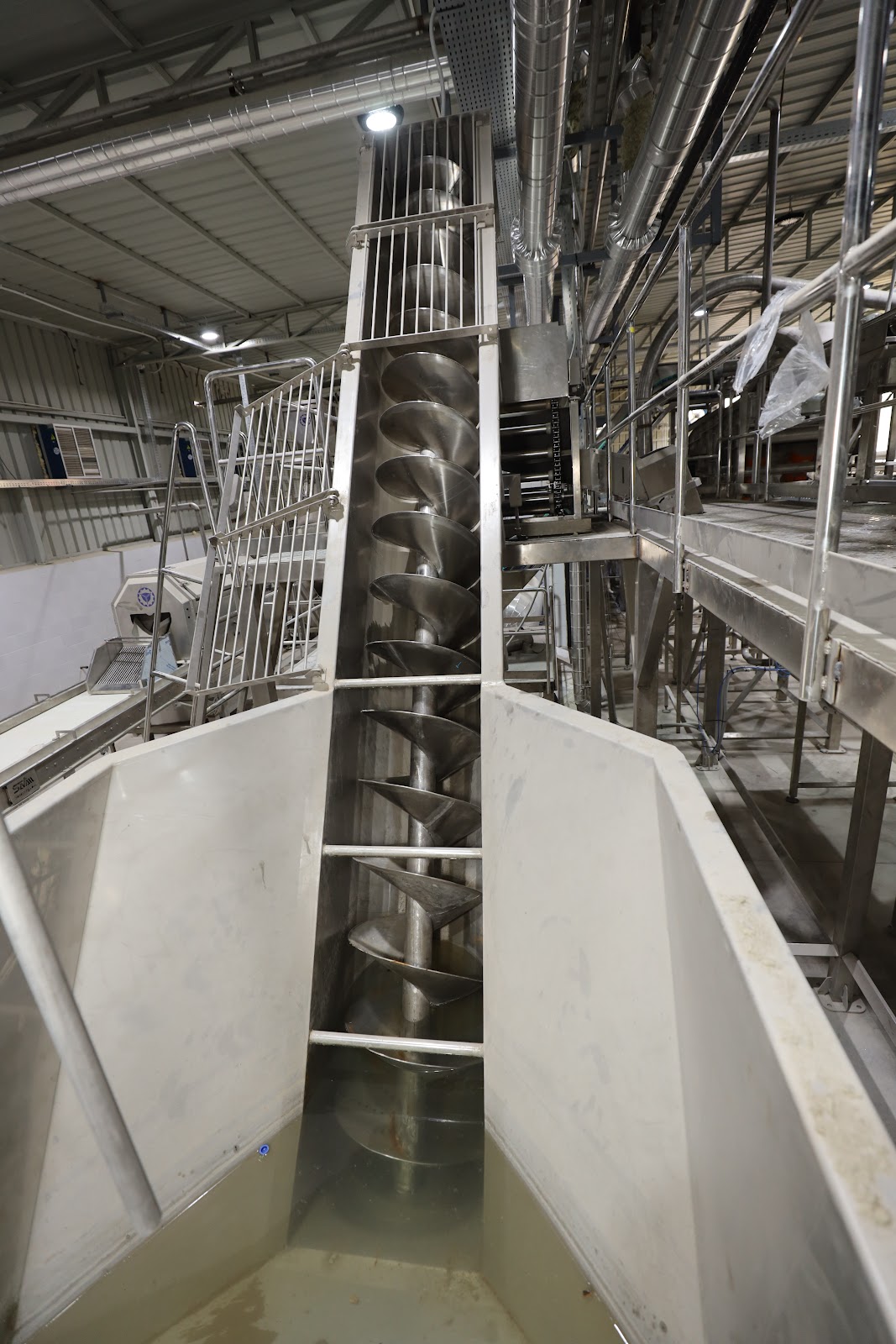
View Conveyor5 to 700 tons/hour vertical lift. Sealed casing for grains, powders, bulk solids.
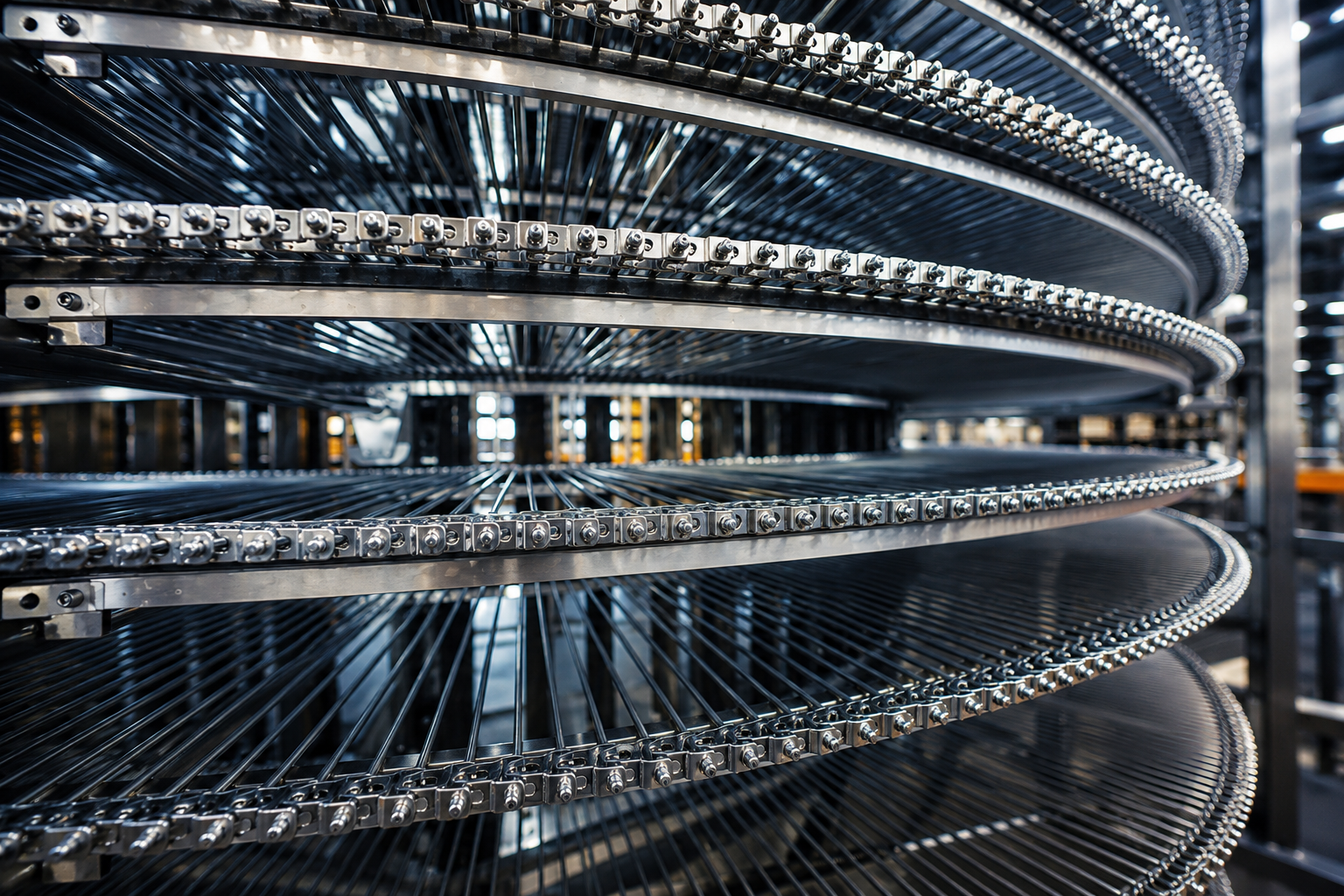
View Conveyor4-6 sqm footprint, hundreds of meters of belt. Cooling, freezing, proofing, accumulation.
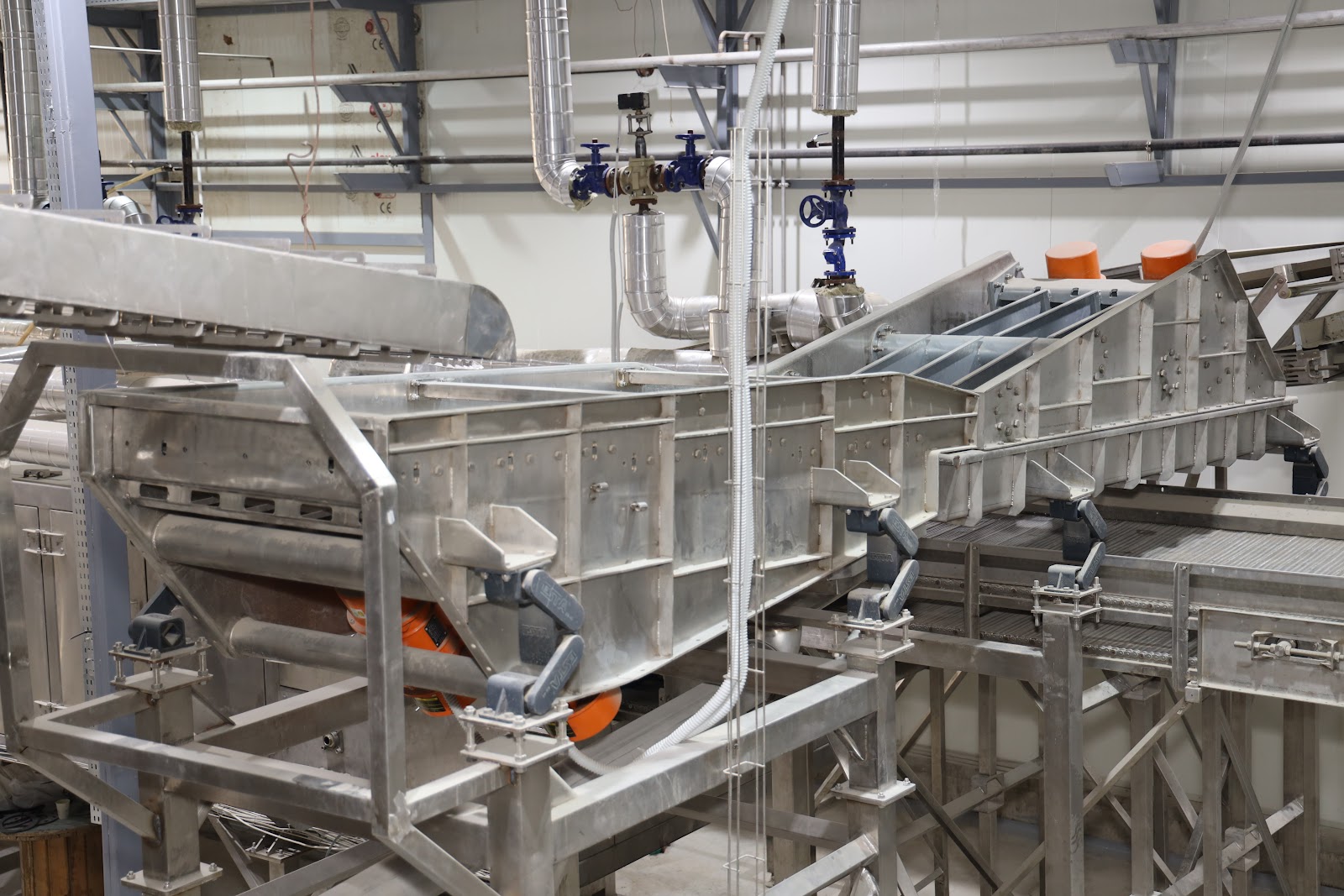
View ConveyorGentle on fragile or granular. SS 304 trough with twin-motor drive.
View ConveyorBulk in a sealed trough. Dust-tight transport with optional cooling jacket.
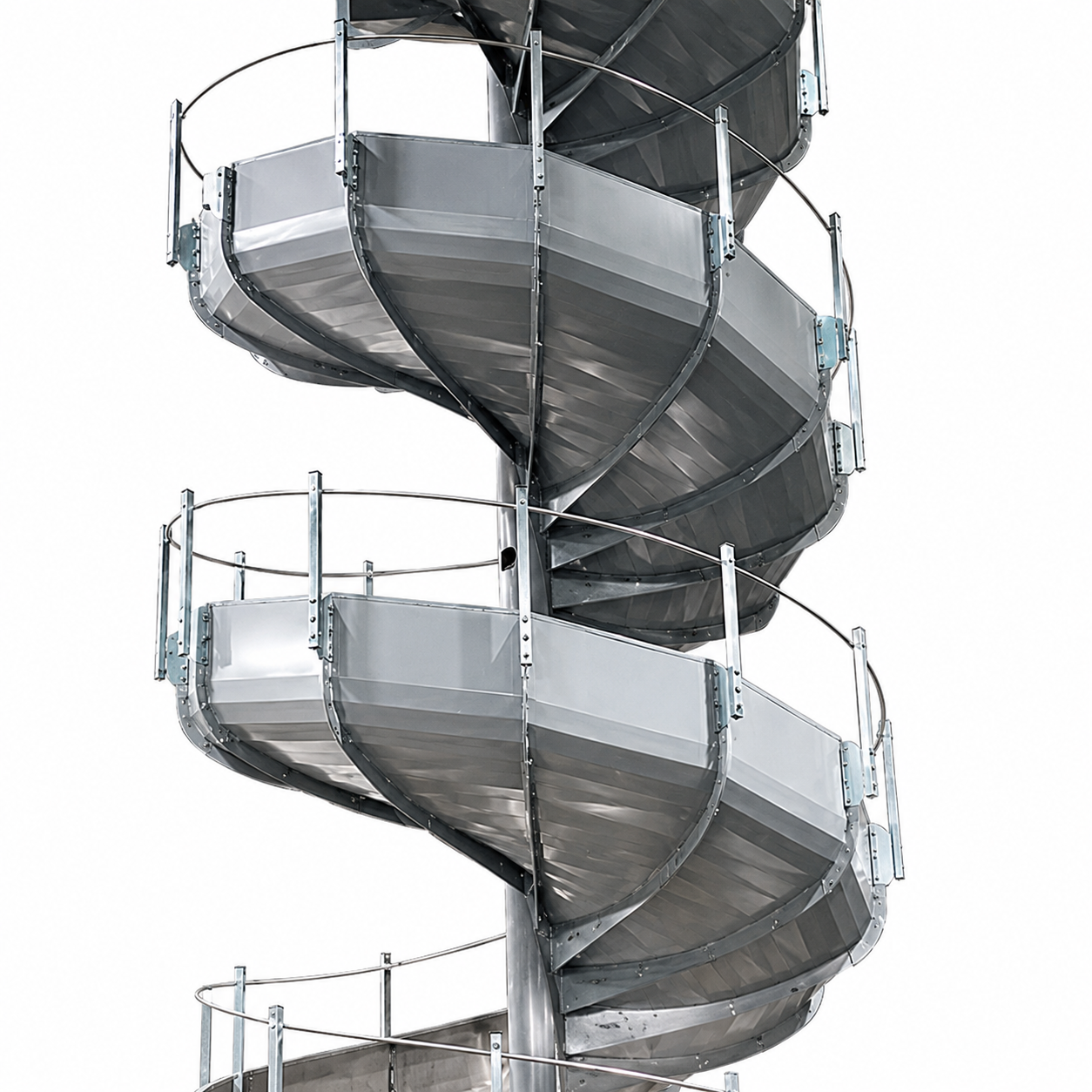
View ConveyorGravity transfer. No motor. Single or spiral chutes in SS 304 or steel.
View ConveyorReaches 20m deep into trailers. Multi-stage extending boom for loading docks.
View ConveyorPortable on wheels. Truck loading at fixed docks or dockless yards.
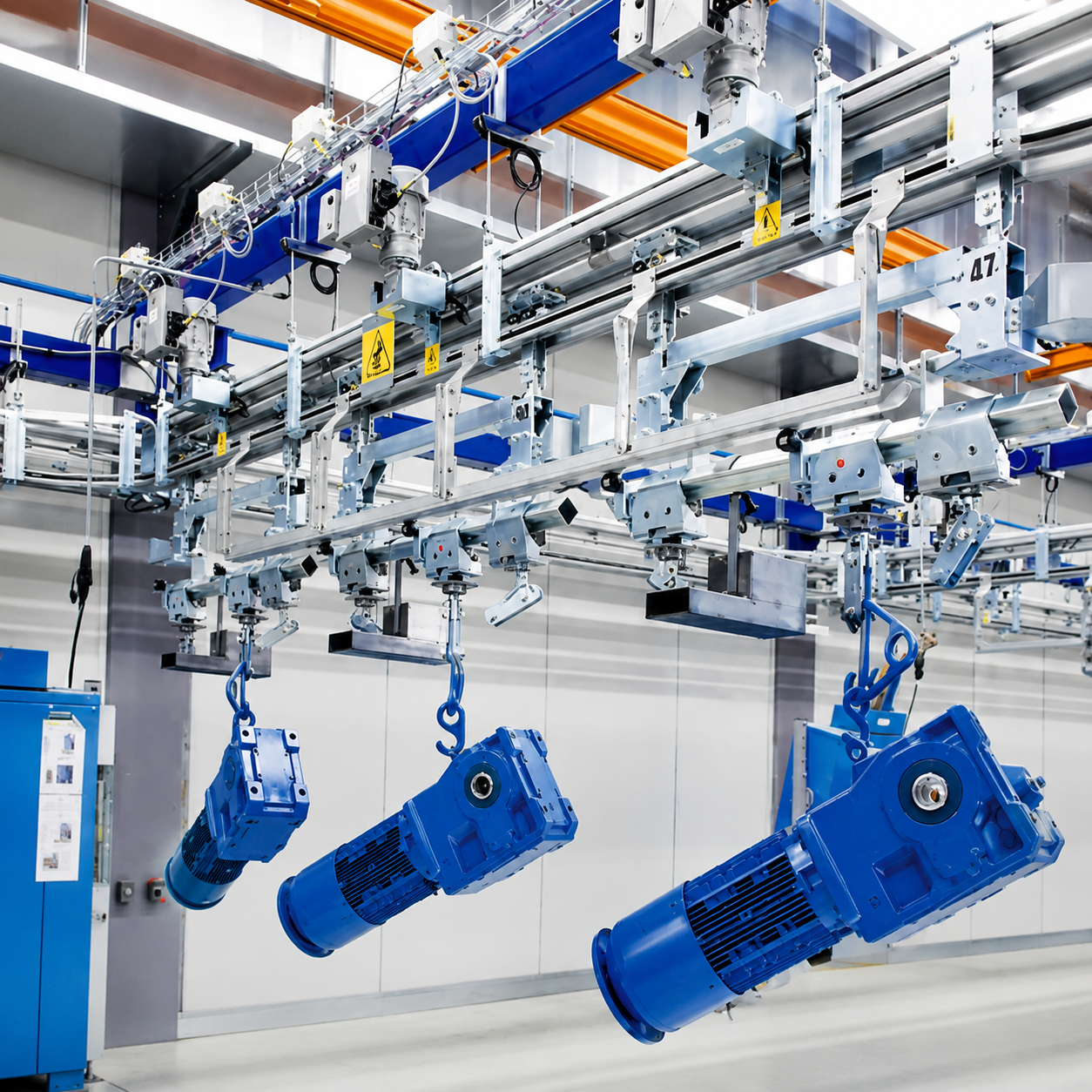
View ConveyorOverhead suspended track. Above-floor handling with continuous trolleys.
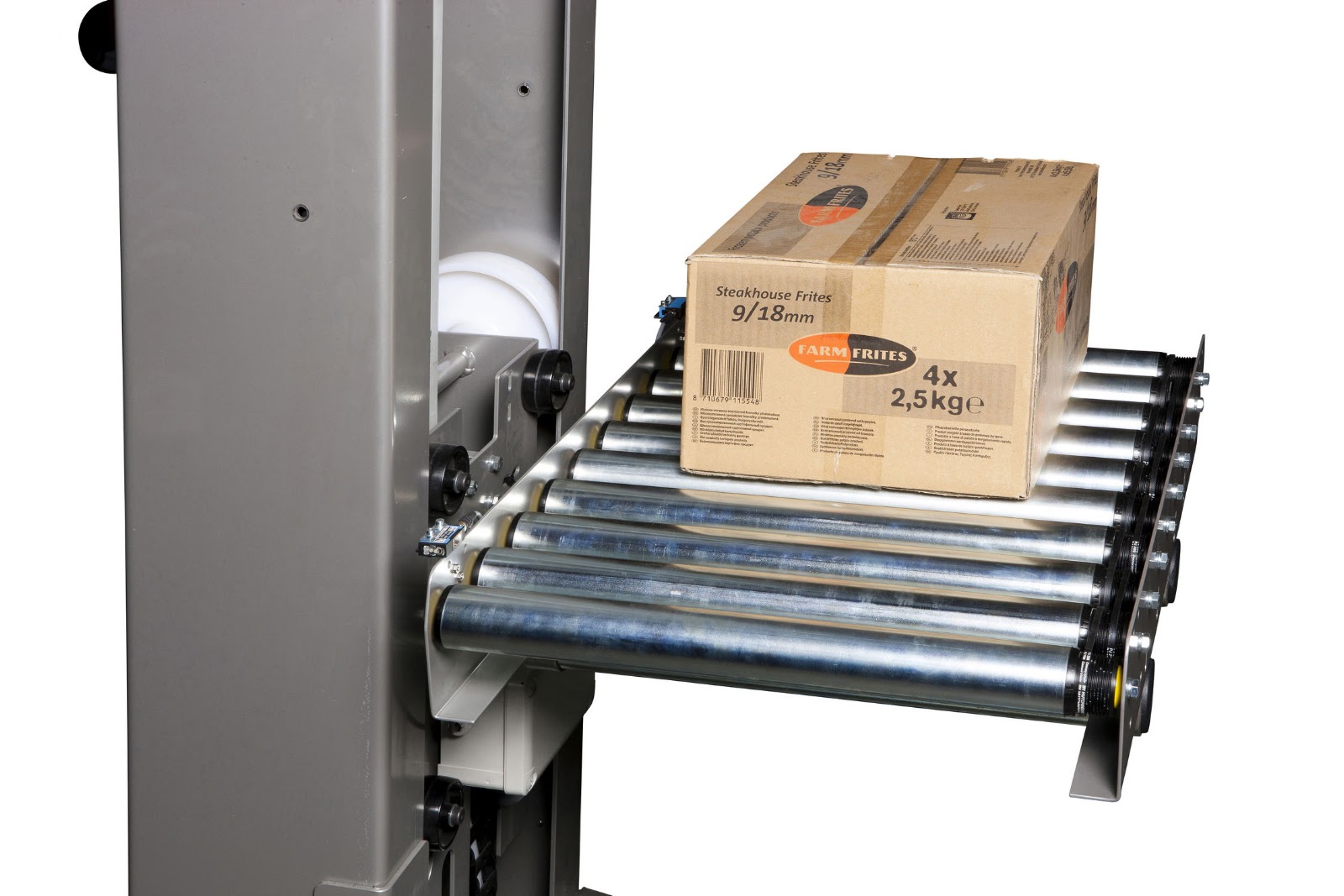
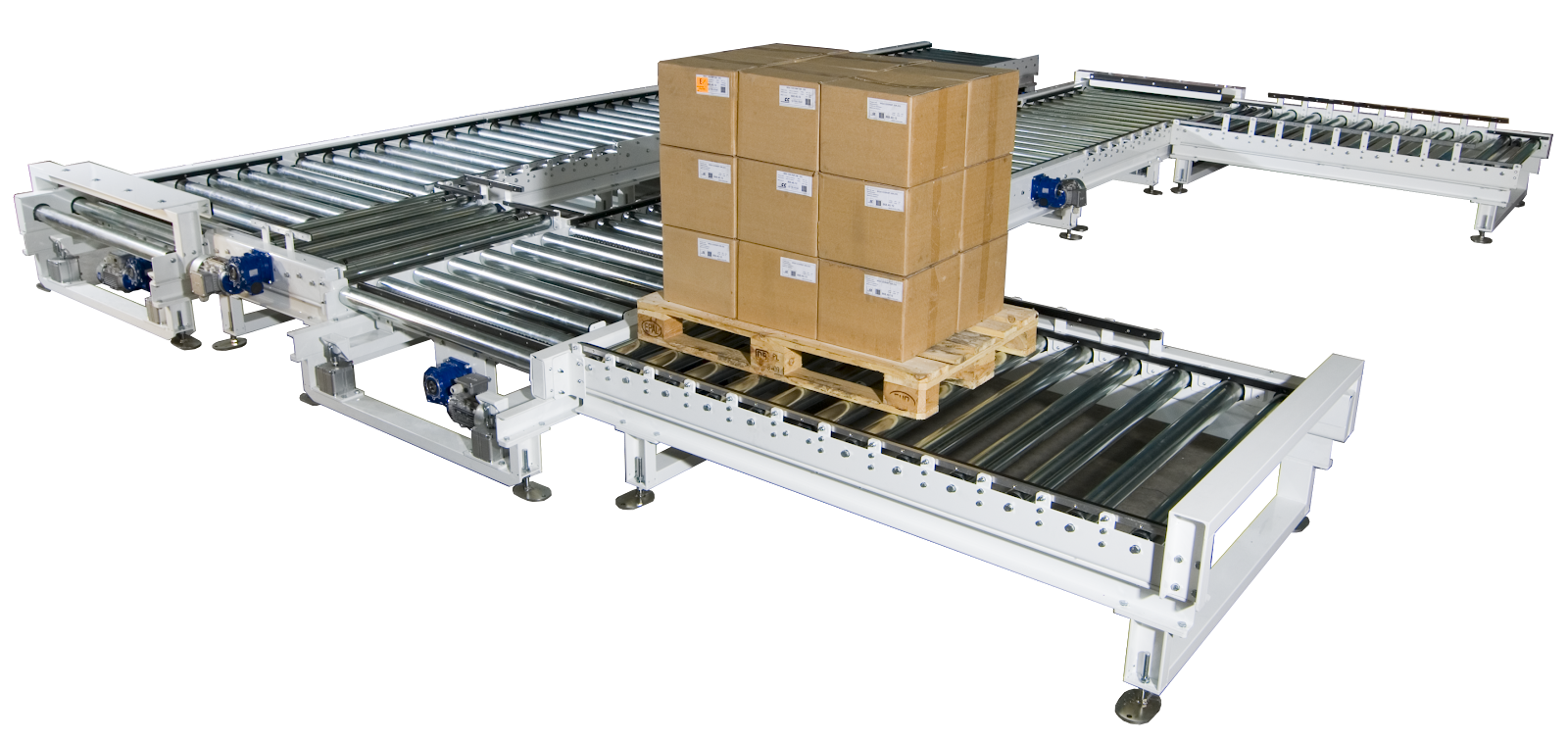
View ConveyorHeavy palletized loads. CDLR for new pallets, Drag Chain for the worst.
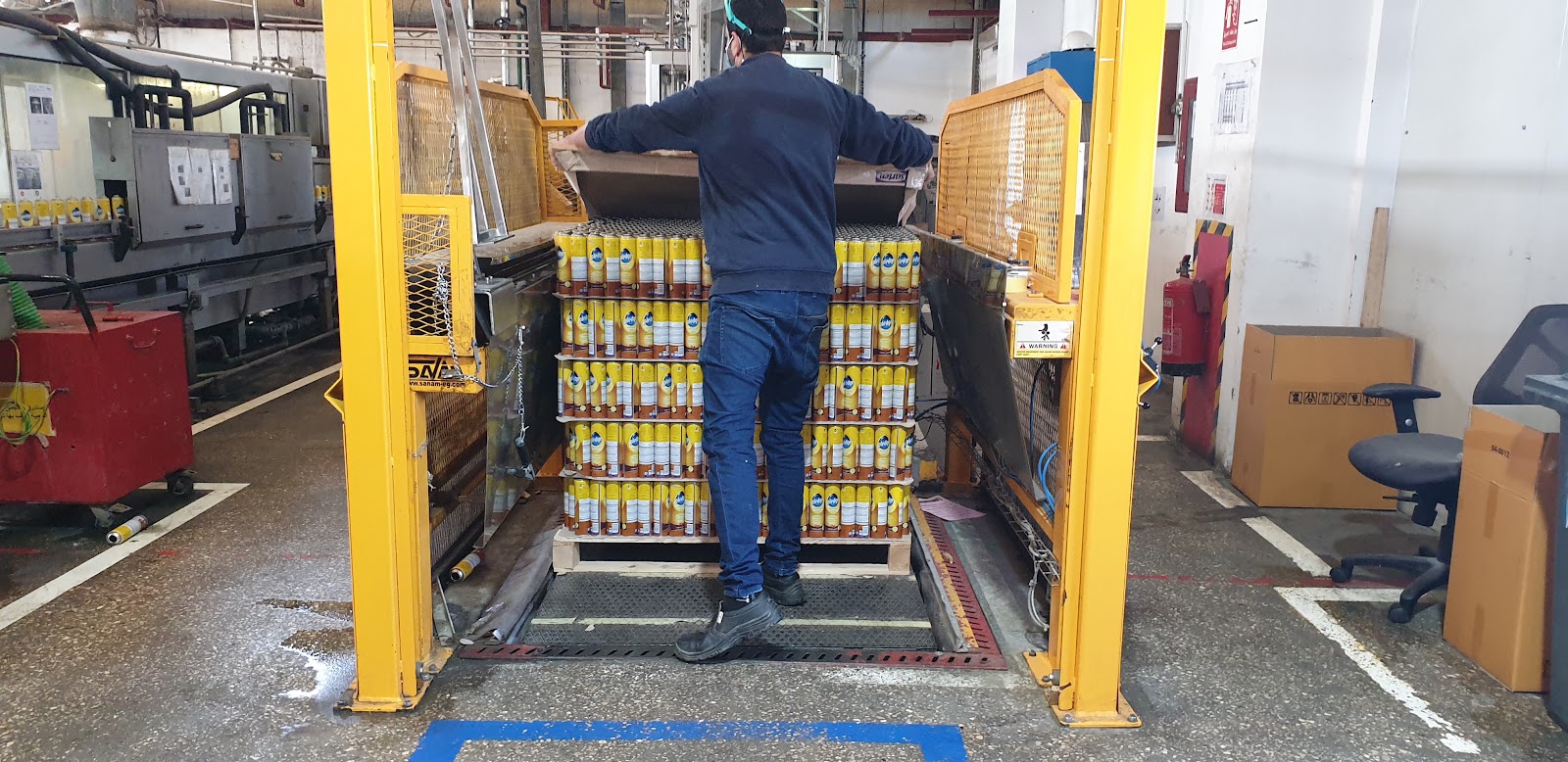
View ConveyorFiller-ready empty containers. Buffered slat chain — proven at SC Johnson.
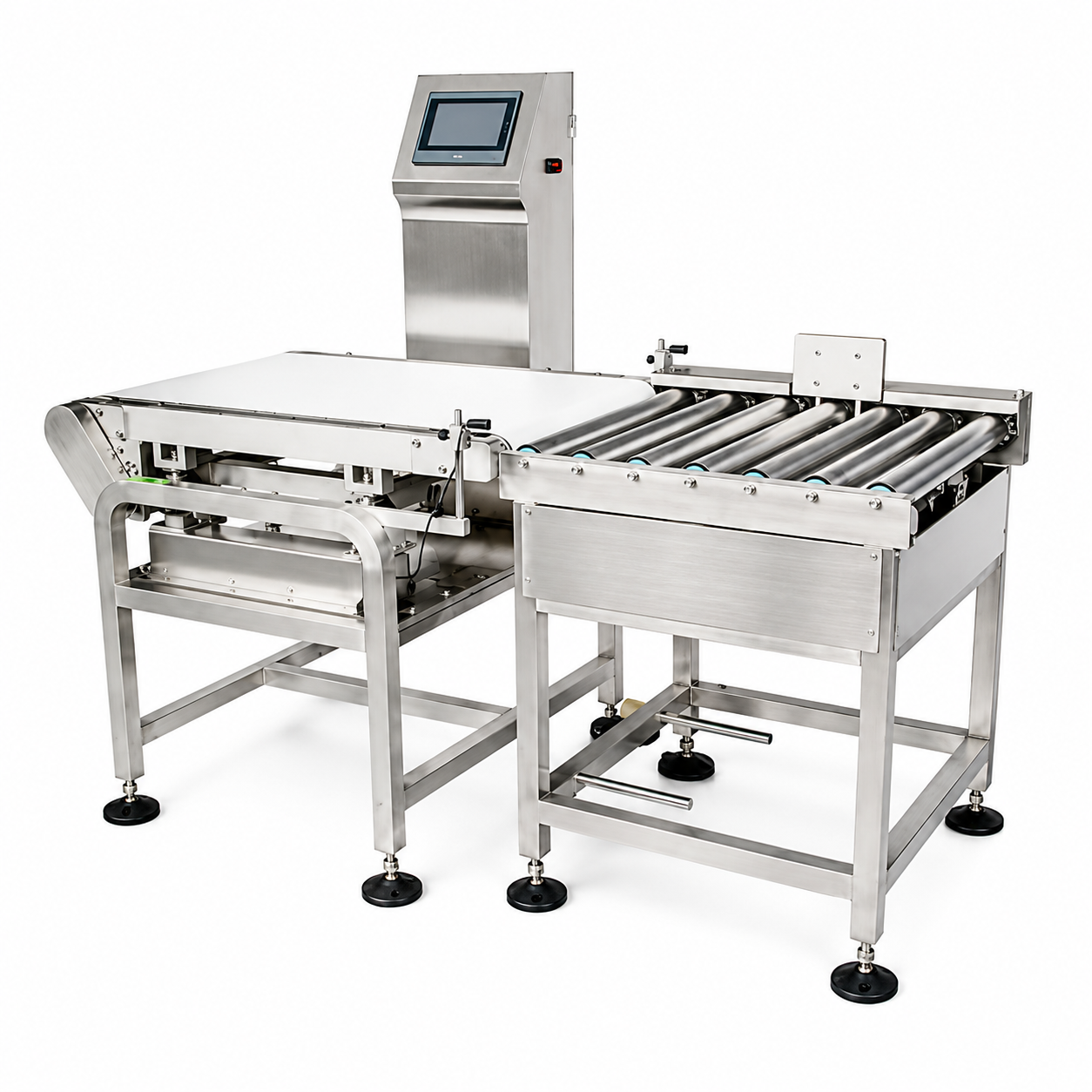
View ConveyorEvery package weighed in motion. Auto-rejects under- or over-weight in milliseconds.
View ConveyorOperator workstation platform. Multi-station assembly lines with PVC or PU belt.
View ConveyorThe complete line. Designed, fabricated, installed, supported by SANAM.
View ConveyorSend us your container type, throughput target, and a sketch or photo of your factory layout if you have one. A SANAM engineer responds within one working day with a scoped technical proposal — no salesperson handoff.
A SANAM engineer will be in touch within one working day. In the meantime, feel free to call us directly at +201118884005.