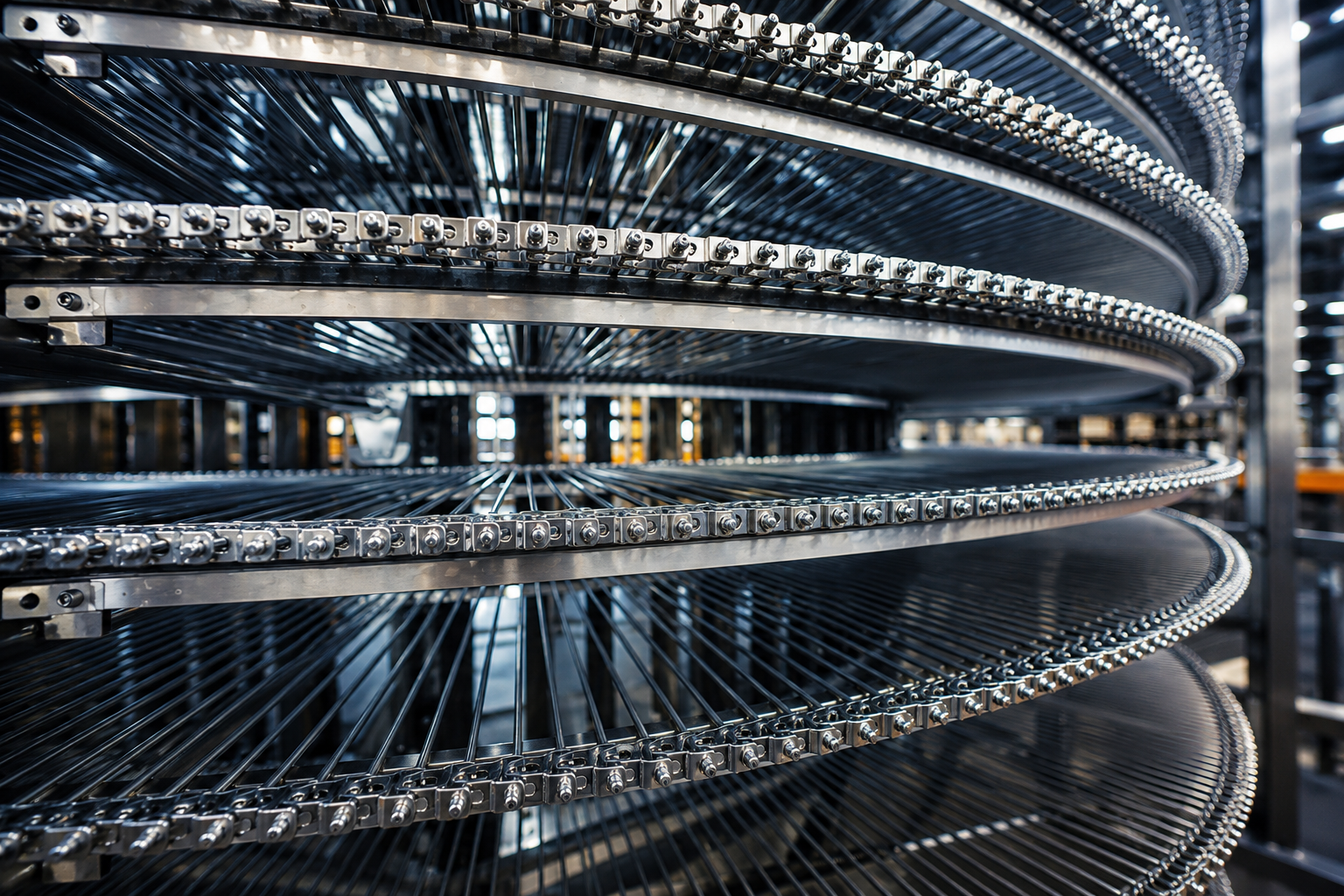
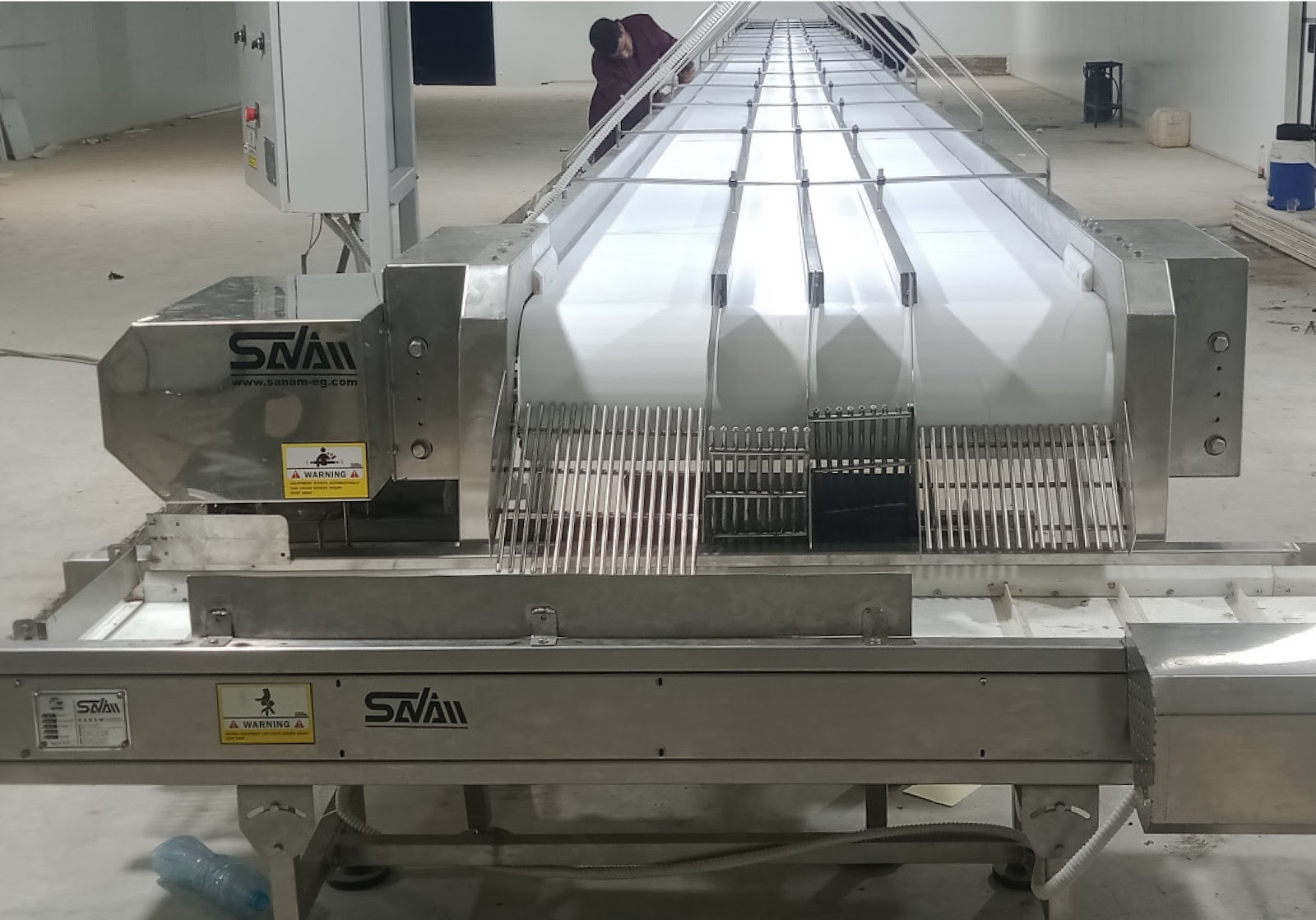
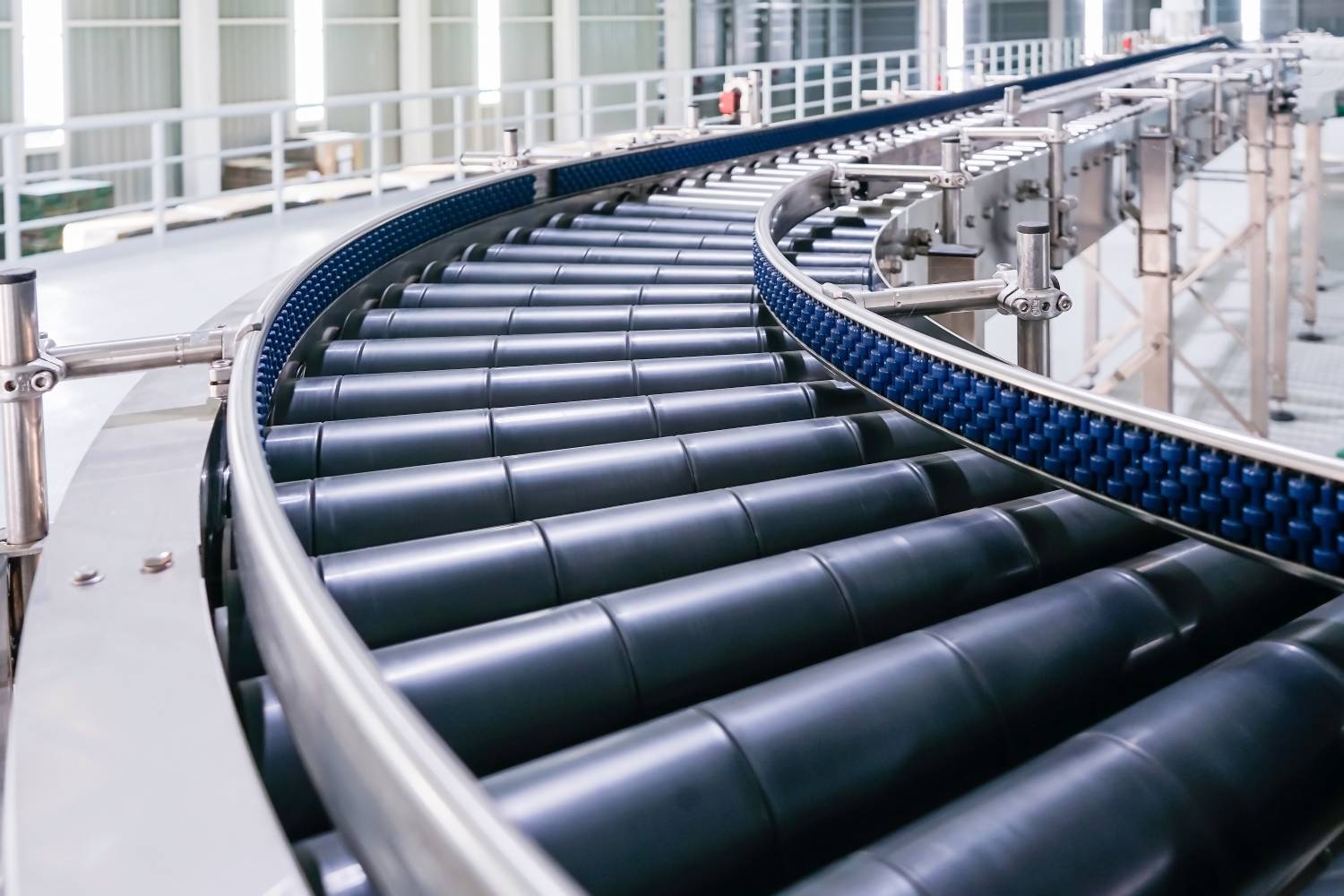
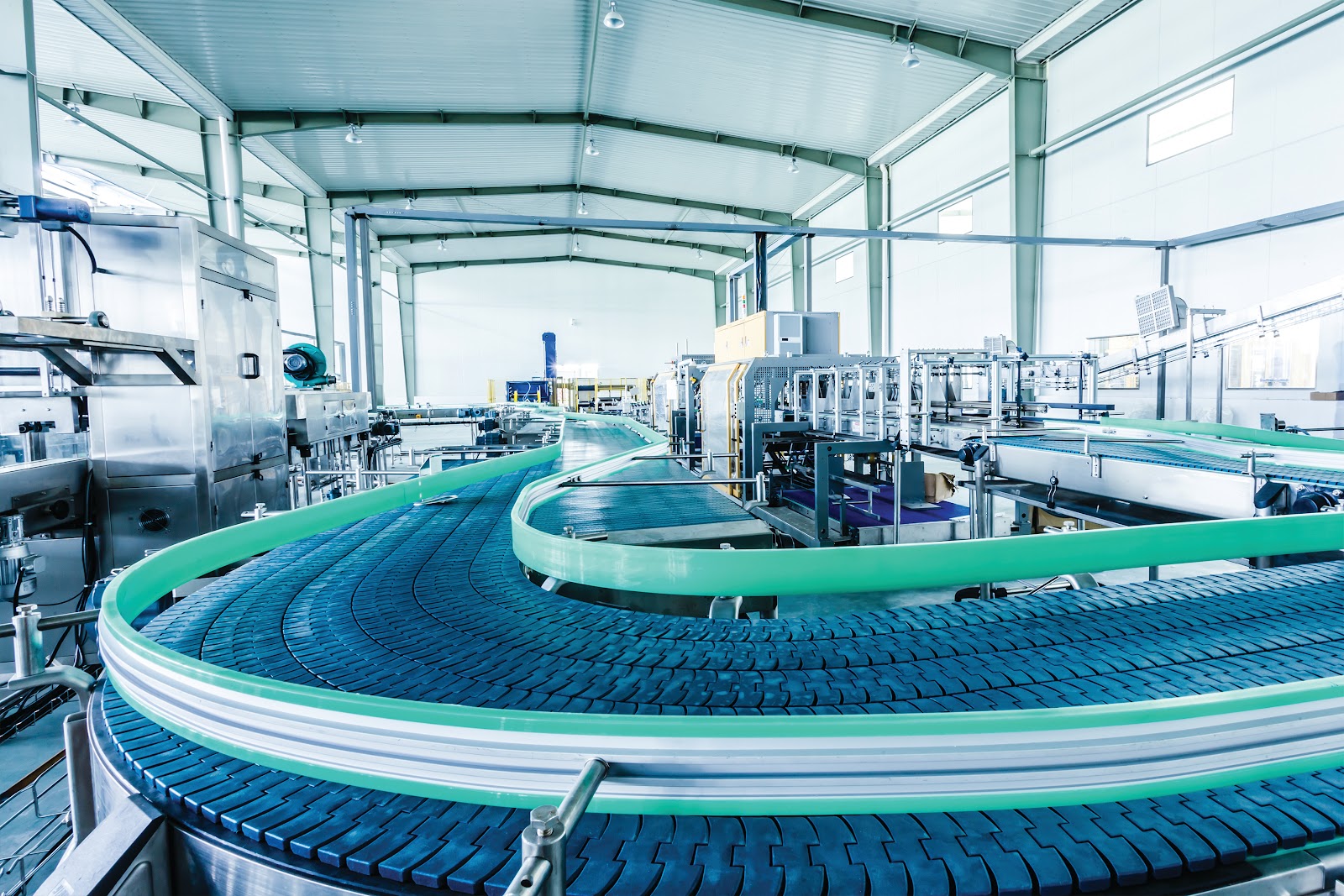
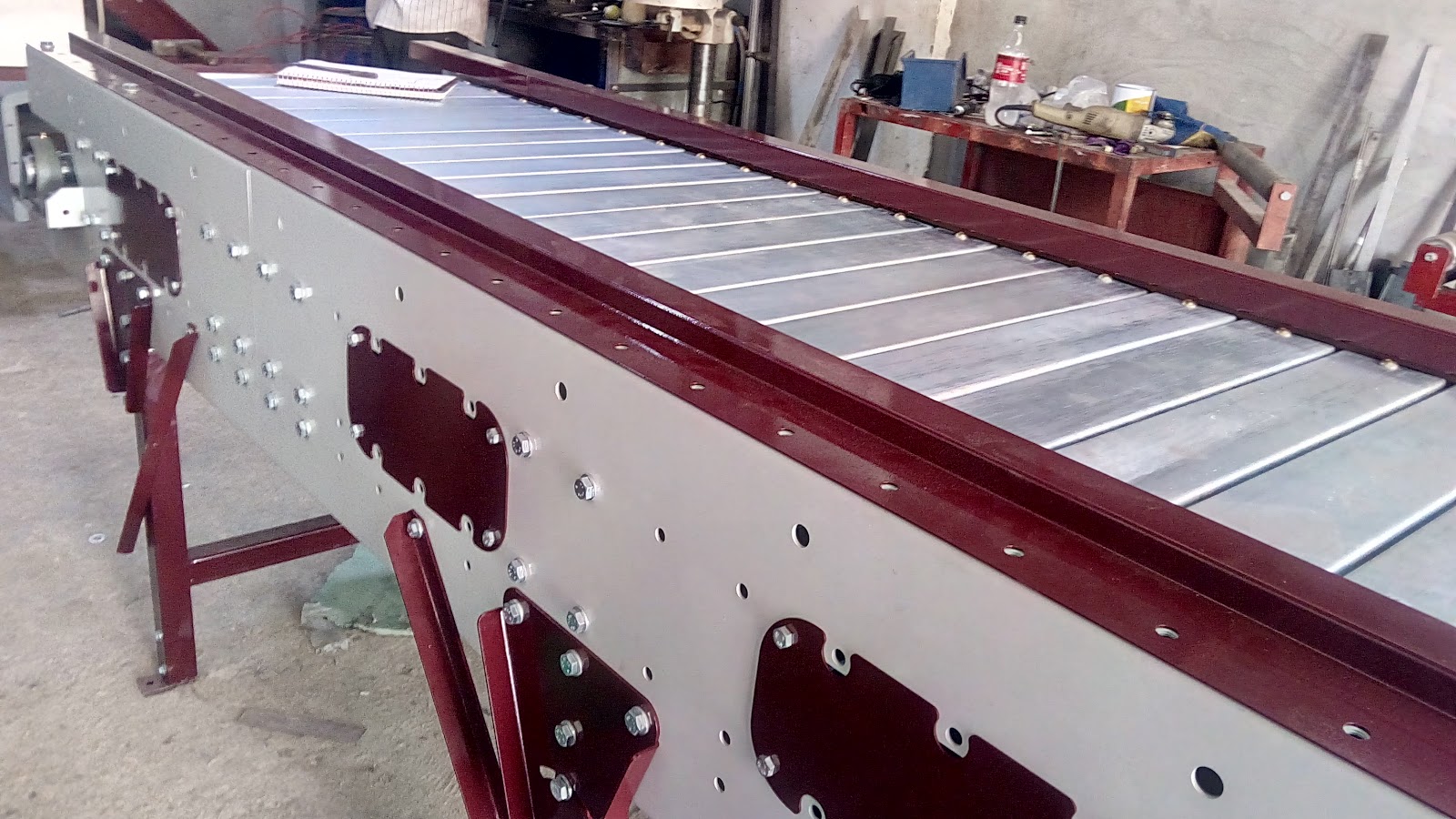
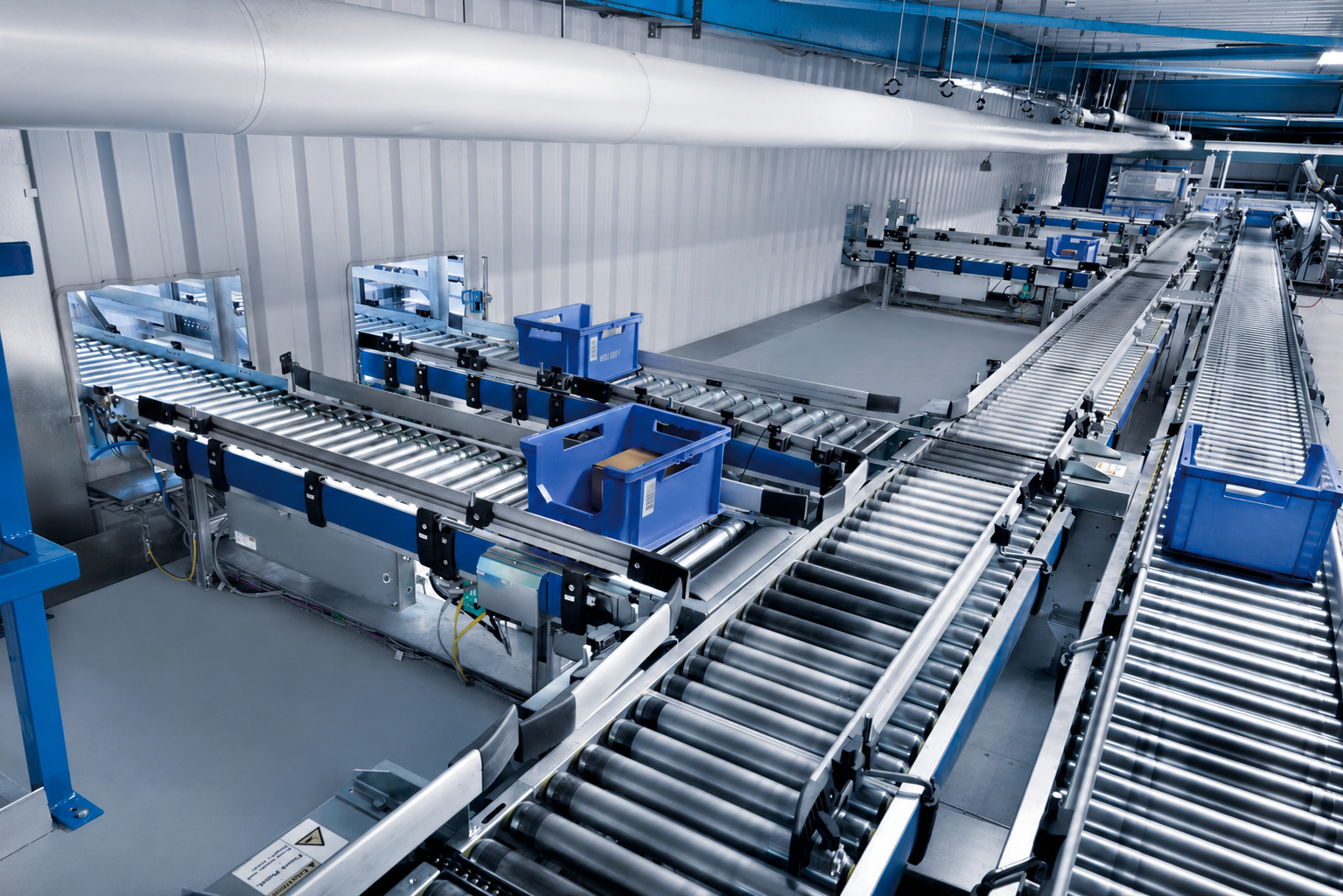
Vertical travel that earns its keep — a stainless steel SS 304 spiral conveyor wraps a modular plastic belt around a central drum, fitting hundreds of meters of conveying surface into a 4-6 m² footprint. Built for cooling, freezing, proofing, and dwell-time accumulation in food production, with a single-motor drive that uses a fraction of the power a long horizontal line would need. The right choice when floor space is tight and the product needs process time, not just travel time.
Six things that set a SANAM-built spiral conveyor apart from a generic imported solution — every one of them a decision we make at the engineering desk before fabrication begins.
The defining feature — by wrapping the belt around a central drum in a continuous helical path, the spiral conveyor fits hundreds of meters of conveying surface into 4-6 sqm of floor area. Floor space is the most expensive square meter in any food plant.
Full SS 304 frame, drum, supports, and bearings — the right material for cooling, freezing, proofing, and any food-process environment. Welded smooth, polished where it contacts product, and built for daily washdown with hot water, foam, and sanitizers.
Vertical travel becomes productive process time — the helical path gives the product 5, 10, 30 minutes of controlled environment. Bakery: cooling baked goods. Frozen foods: IQF freezing inside an insulated cabinet. Ready meals: dwell time for stabilization.
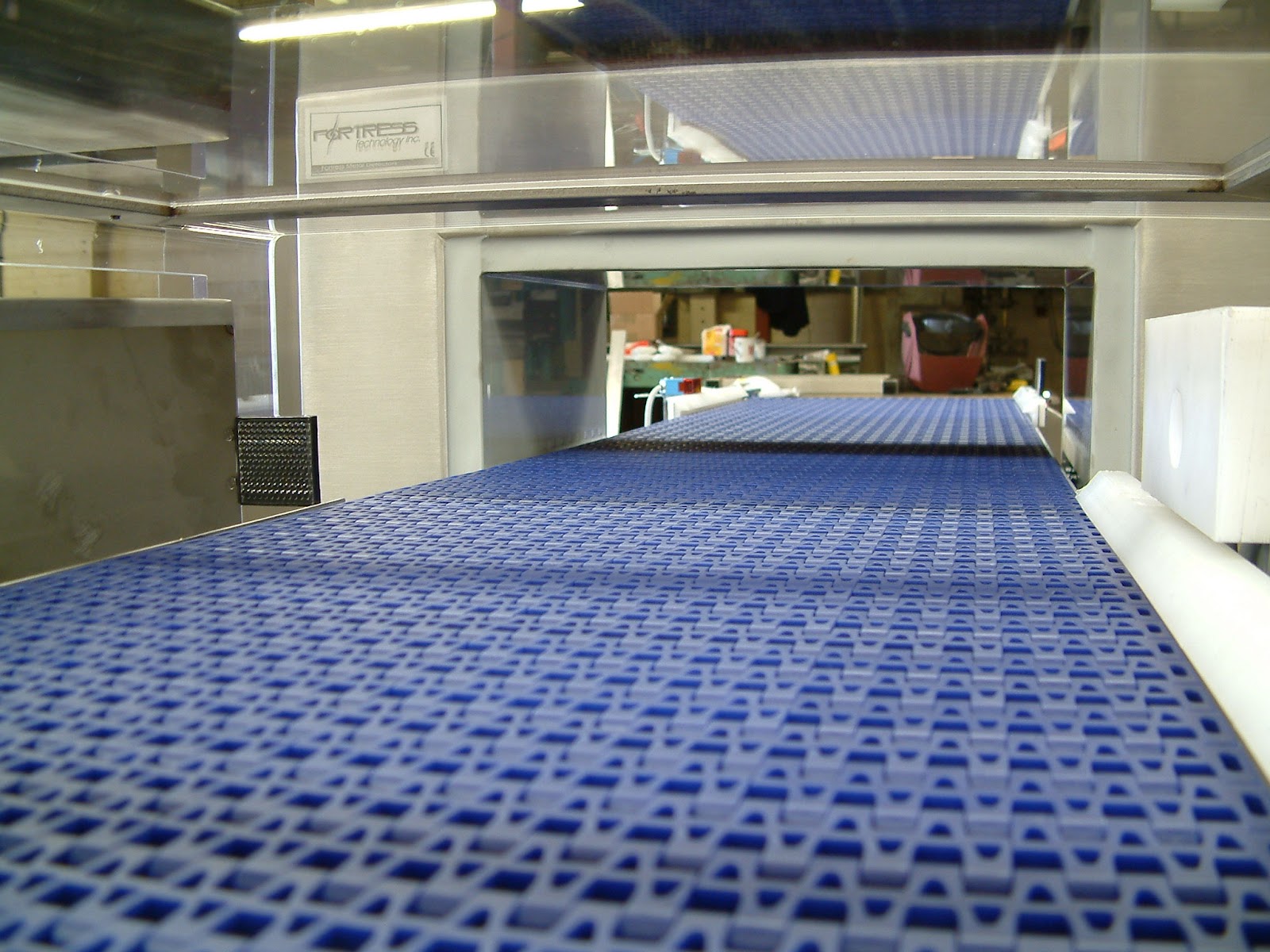
Food-grade modular plastic belt — interlocking polypropylene or acetal modules that flex around the spiral without stretching, drain liquids during washdown, and allow airflow during cooling. Easy to repair module-by-module instead of replacing a whole woven belt.
One motor drives the entire spiral through the central drum — orders of magnitude less power than a horizontal conveyor of the same length. Less electricity, less maintenance, fewer points of failure. VFD lets you adjust belt speed to match process dwell time.
The spiral conveyor rarely runs alone — it sits between upstream production and downstream packaging, freezing, or storage. SANAM engineers infeed and outfeed transitions to match your line height, belt speed, and product orientation. Standard interfaces for wrappers, freezers, ovens.
Same spiral frame, same modular belt, same SS 304 construction — the difference is what surrounds the spiral and how it controls the environment. Pick based on whether you're processing the product or just buffering it.
Enclosed inside an insulated cabinet with controlled airflow — fans circulate chilled or sub-zero air across the helical path while the product travels upward (or downward). Used for IQF freezing of bakery items, frozen meals, vegetables, and meat products; chilling of baked goods before slicing; and curing of cooked proteins. The cabinet, refrigeration package, and control system are engineered alongside the spiral as one integrated unit.
Request Technical Data Sheet →Open or lightly enclosed spiral — product simply stages on the belt for dwell time without active environmental control. Used for proofing dough, cooling baked goods to ambient temperature, buffering between fast and slow line sections, or staging products waiting for downstream packaging. Lower capital cost than a cooling spiral; the same compact footprint advantage; the same SS 304 hygiene standard.
Request Technical Data Sheet →Six industries where the spiral conveyor is the right answer to the floor-space-vs-process-time problem — anywhere product needs minutes of dwell time without acres of horizontal conveyor to give it.
Flagship — vegetables, fruits, ready meals, French fries, and seafood travel through an insulated spiral cabinet with sub-zero airflow for IQF freezing. Hundreds of meters of freezing surface in 4-6 sqm.
Two roles in modern bakery lines — proofing spirals give dough controlled dwell time to rise (40-90 minutes), and cooling spirals bring baked goods down to slicing temperature without bottlenecking the oven.
Tray-packed meals, sandwiches, salads, and chilled prepared foods need dwell time for stabilization or chilling before sealing. The enclosed cabinet holds exact recipe temperature for exact recipe time.
Chilling of cooked or vacuum-sealed proteins, IQF freezing of nuggets and patties, and curing of marinated products. Closed SS 304 cabinet meets meat-processing hygiene — no harbouring points, full washdown.
Yoghurt cups, cheese, dairy desserts, and bottled chilling — spiral conveyors take sealed packages through controlled chilling before cold storage. Footprint matters where the floor is full of fillers and sealers.
Any line where one stage runs faster than the next — the accumulation spiral buffers product between mismatched cycles. Filler at 200/min, wrapper at 150? The spiral absorbs the difference, cheaper than slowing the filler.
Anyone can sell you a conveyor. The question is who picks up the phone six months later when a chain segment fails on a Sunday night.
The conveyor is designed, fabricated, and assembled in our 10th of Ramadan facility — by the same team that installs and supports it. No middleman, no resold equipment, no relabeled imports.
We design around your factory floor, your existing fillers and packers, and your container specs. We don't sell standard parts hoping they fit — we design for your line.
Spares are typically available within 48 hours from our Egyptian inventory — no import waits, no customs delays, no production downtime while you wait for a chain segment from Europe.
We don't just supply a conveyor. We connect it to your existing line — matching speed, height, and transfer geometry to your fillers, cappers, labelers, and packers. The line becomes one system, not a stack of disconnected machines.
The questions our engineering team hears most often when a factory owner is sizing up a new conveyor for an existing or new line.
A SANAM engineer can scope your line, walk you through the choices, and give a budgetary figure on the same call.
Talk to an Engineer →8 belt types, one platform. PVC, PU, or rubber on steel or stainless frames.
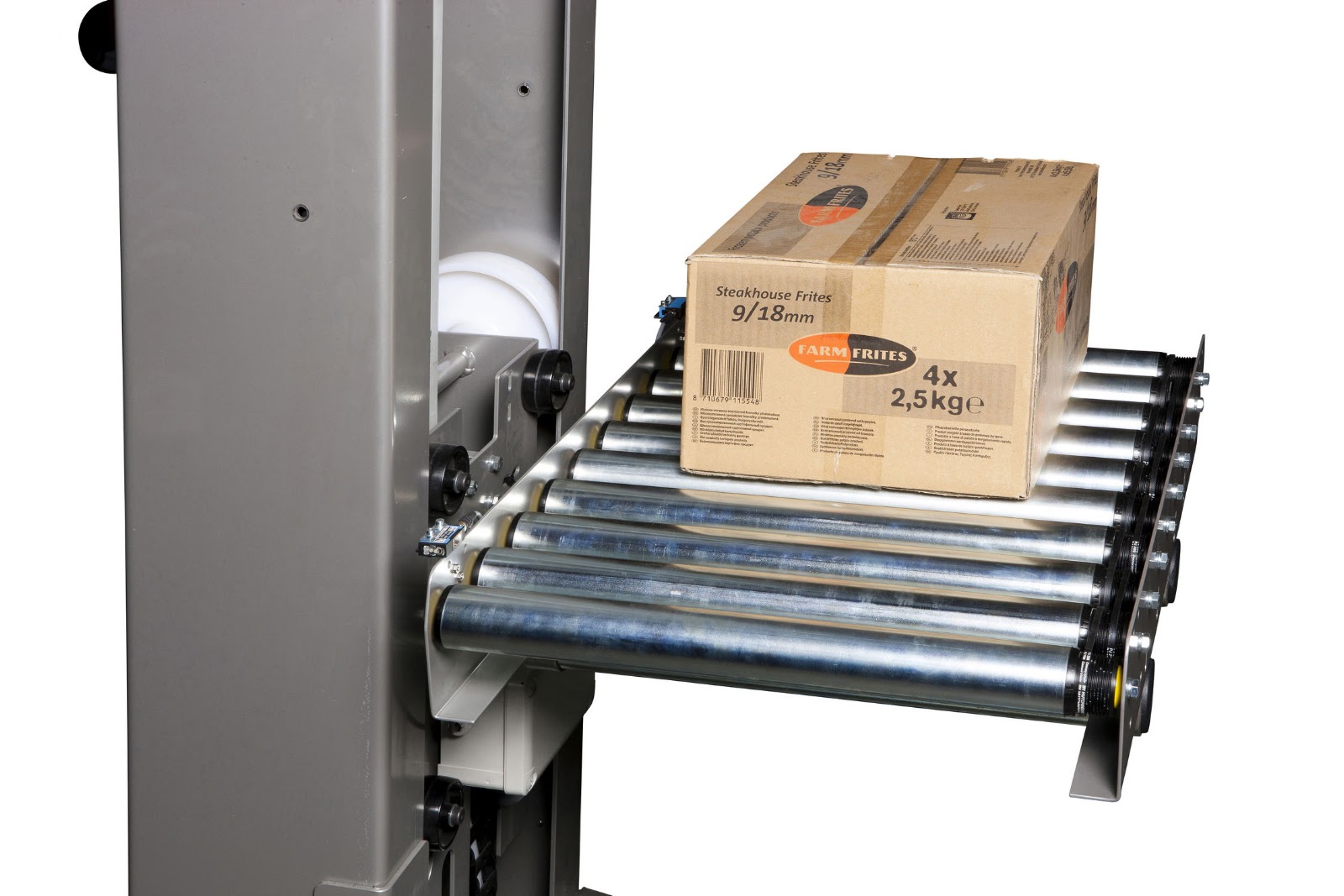
View ConveyorGravity (GRC) or motorized (MRC). Plastic, steel, or SS 304 rollers per application.
View ConveyorBeverage-line backbone. Food-grade plastic or SS 304 segmented chain.
View ConveyorFood-grade modular belt. Interlocking modules on SS 304 frame.
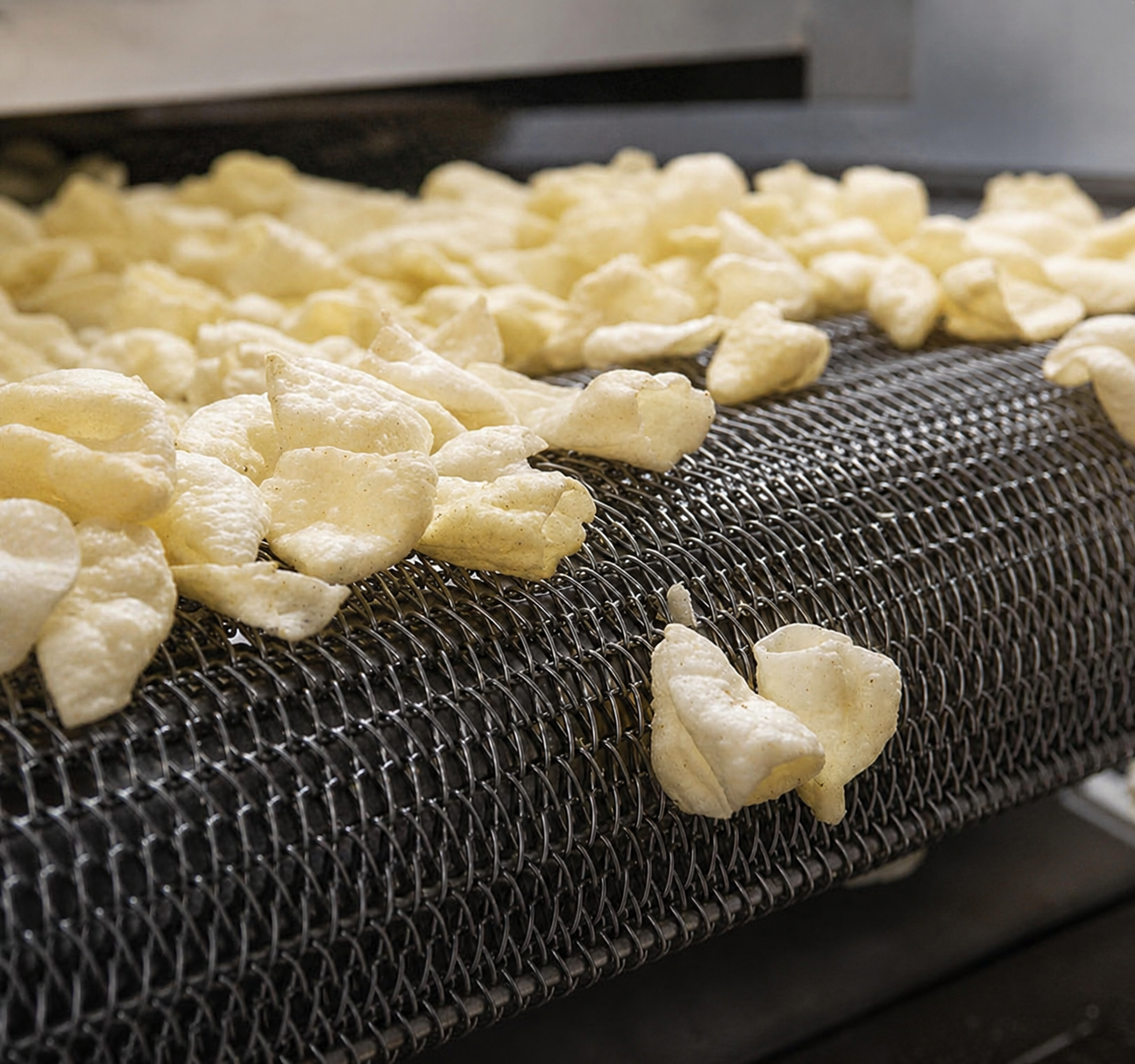
View ConveyorThe belt IS part of the process. Open mesh for cooling, freezing, washing, frying.
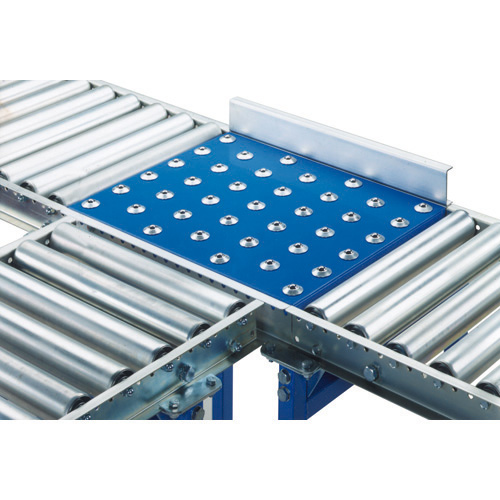
View ConveyorMulti-directional positioning. Steel or SS 304 surface with embedded ball units.
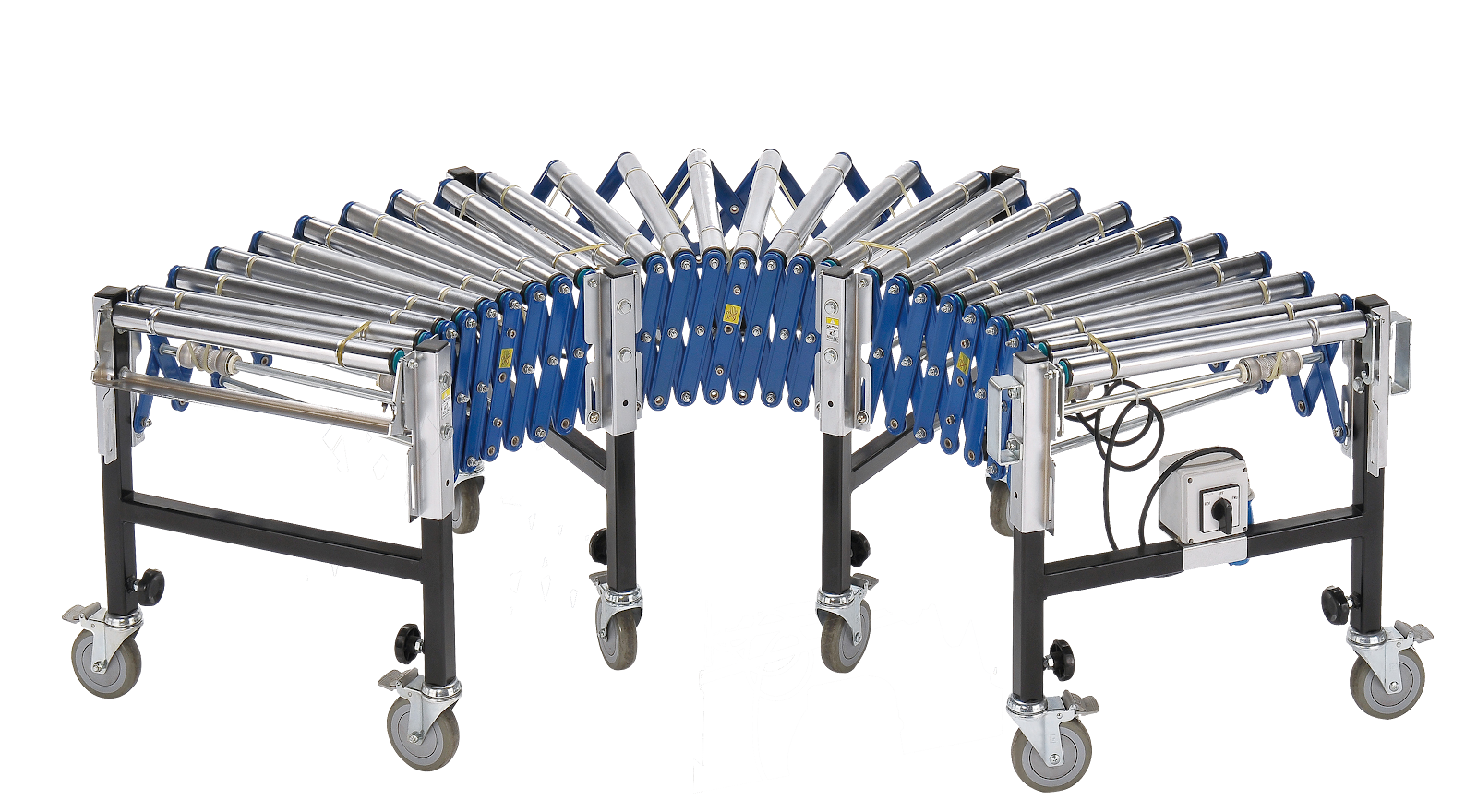
View ConveyorAccordion-folds and curves. Lightweight cartons through flexible layouts.
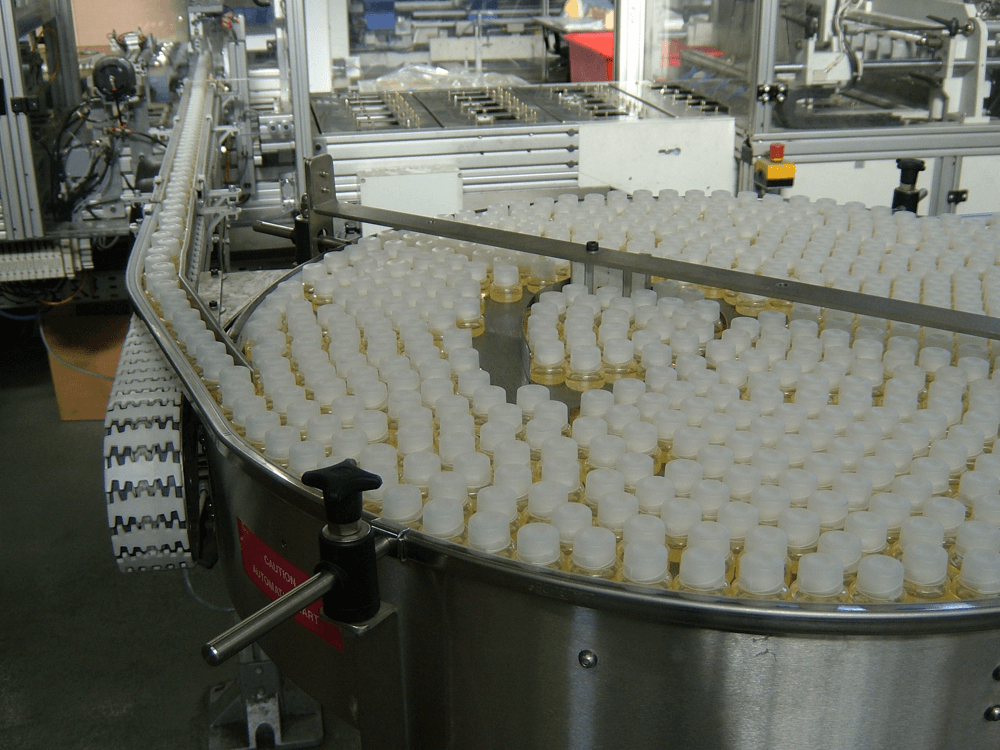
View ConveyorInfeed or outfeed buffer. SS 304 disc with VFD speed control.
View ConveyorLifts between floors. Continuous CVC or reciprocating RVC platforms.
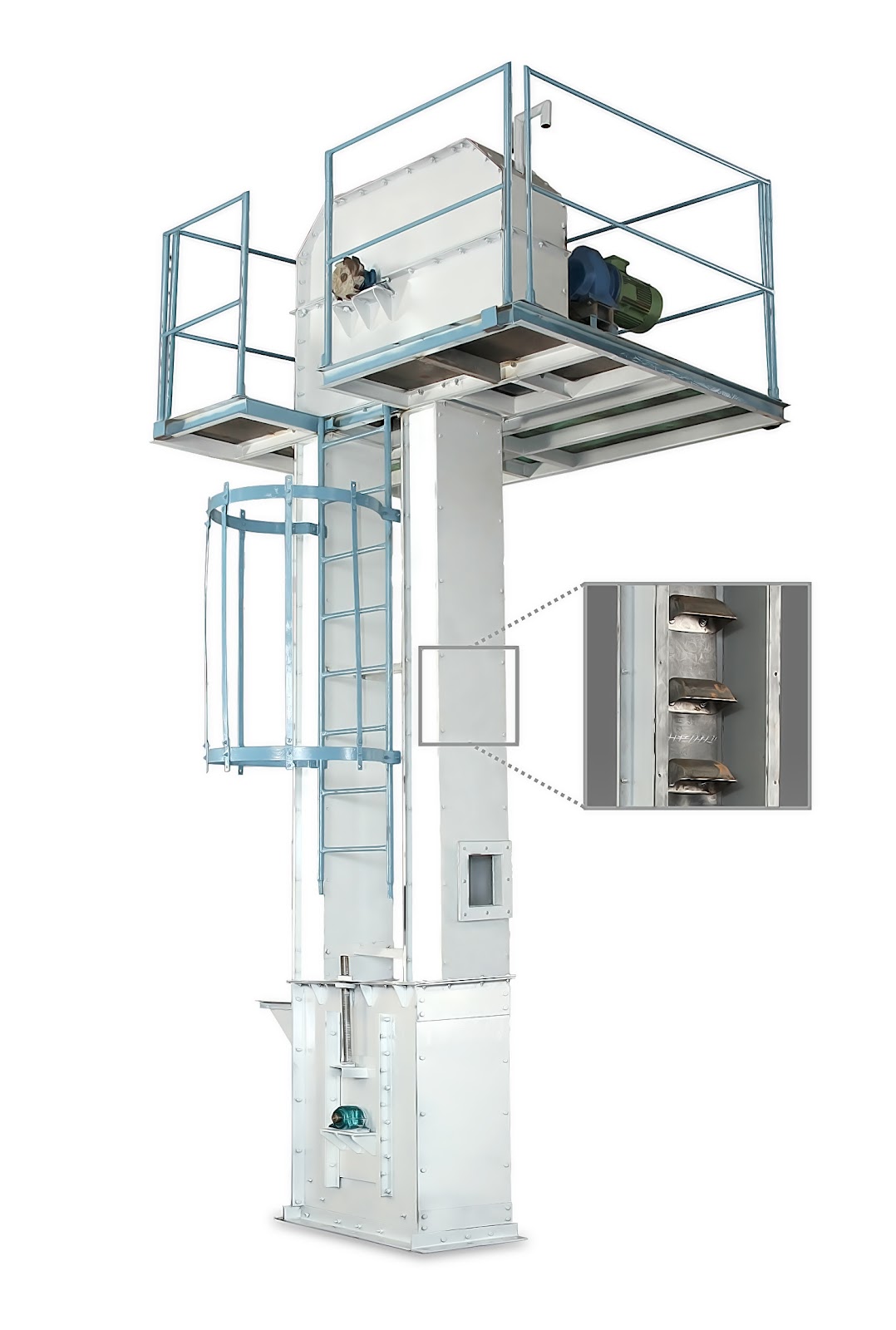
View Conveyor5 to 700 tons/hour vertical lift. Sealed casing for grains, powders, bulk solids.
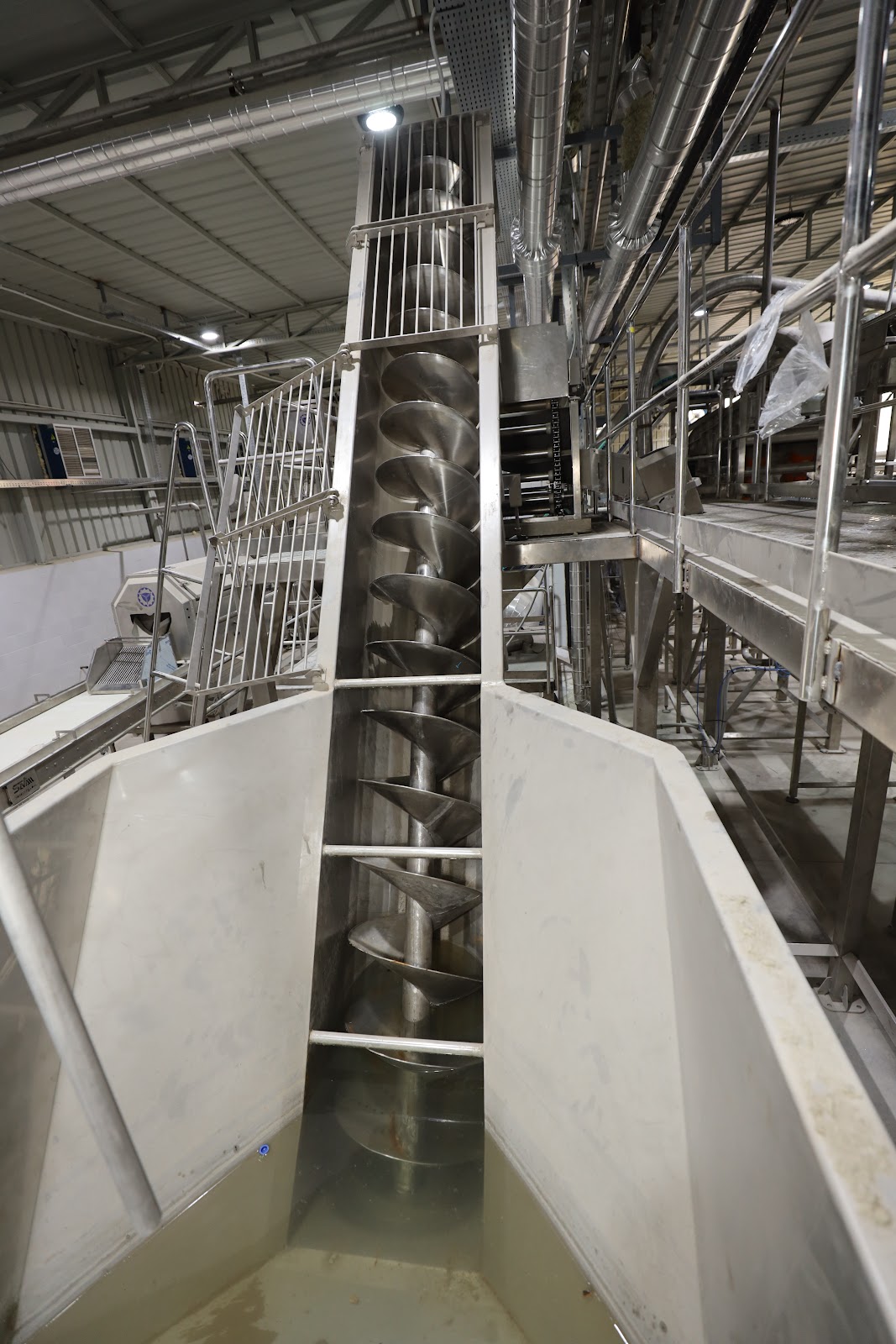
View ConveyorGentle on fragile or granular. SS 304 trough with twin-motor drive.
View ConveyorBulk in a sealed trough. Dust-tight transport with optional cooling jacket.
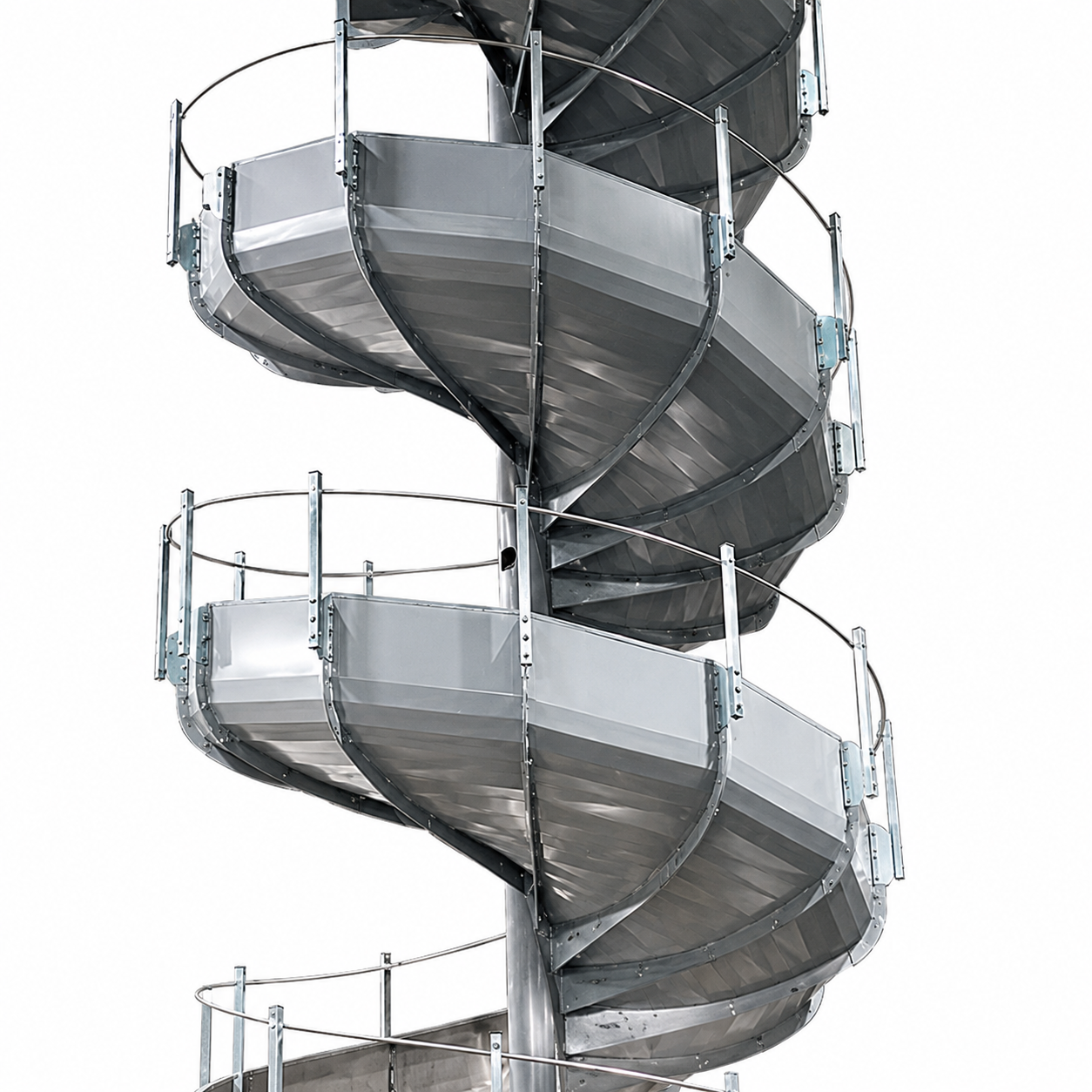
View ConveyorGravity transfer. No motor. Single or spiral chutes in SS 304 or steel.
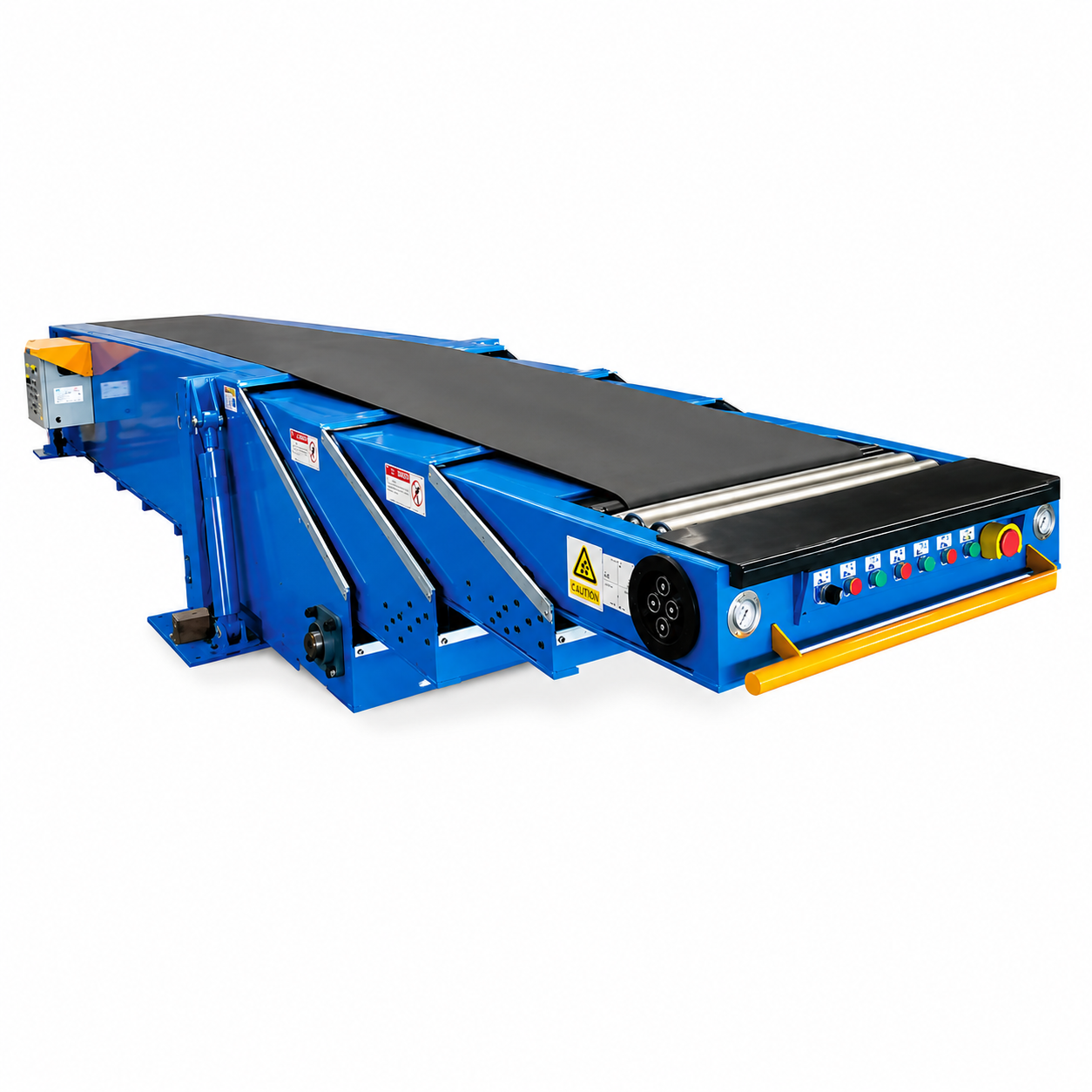
View ConveyorReaches 20m deep into trailers. Multi-stage extending boom for loading docks.
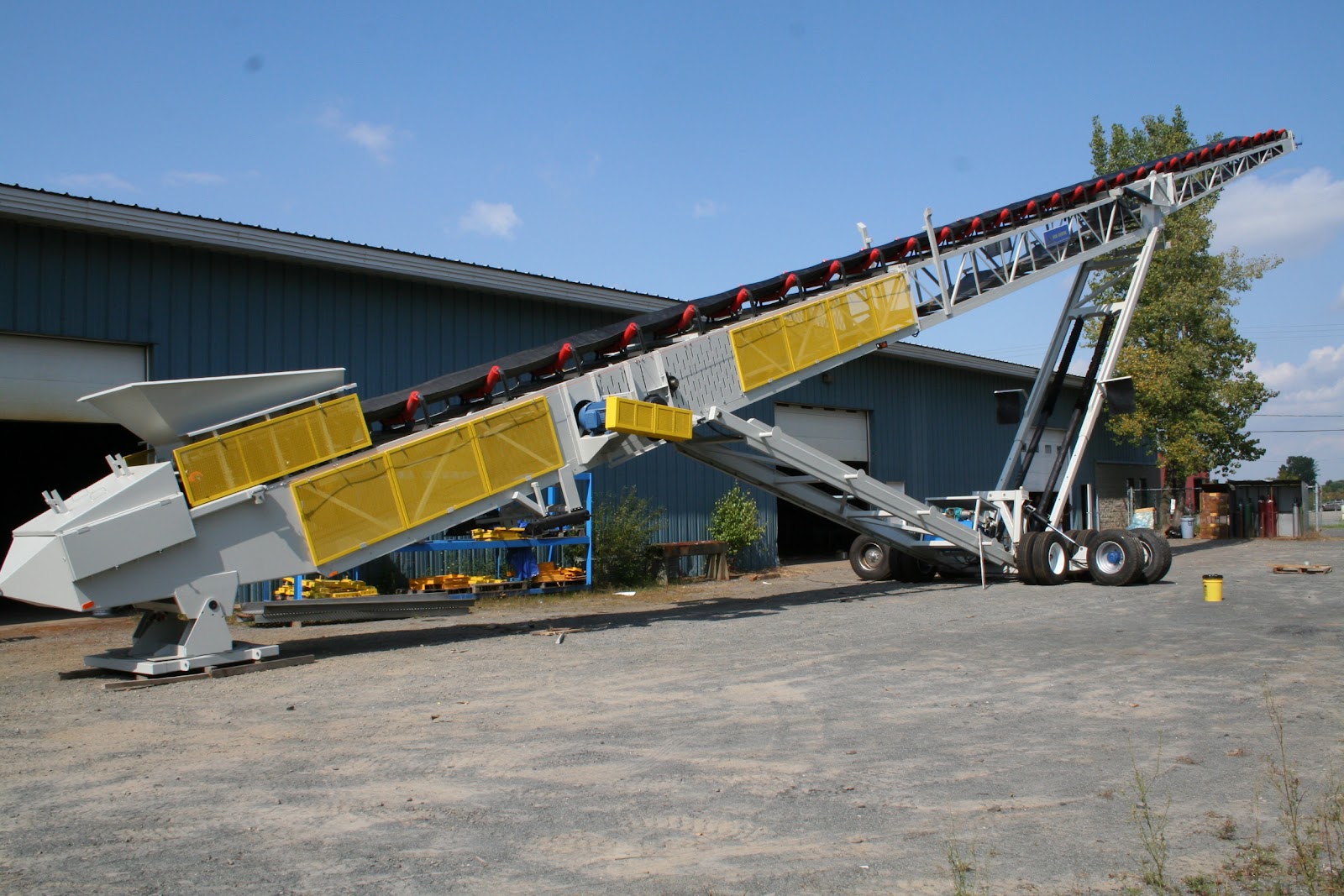
View ConveyorPortable on wheels. Truck loading at fixed docks or dockless yards.
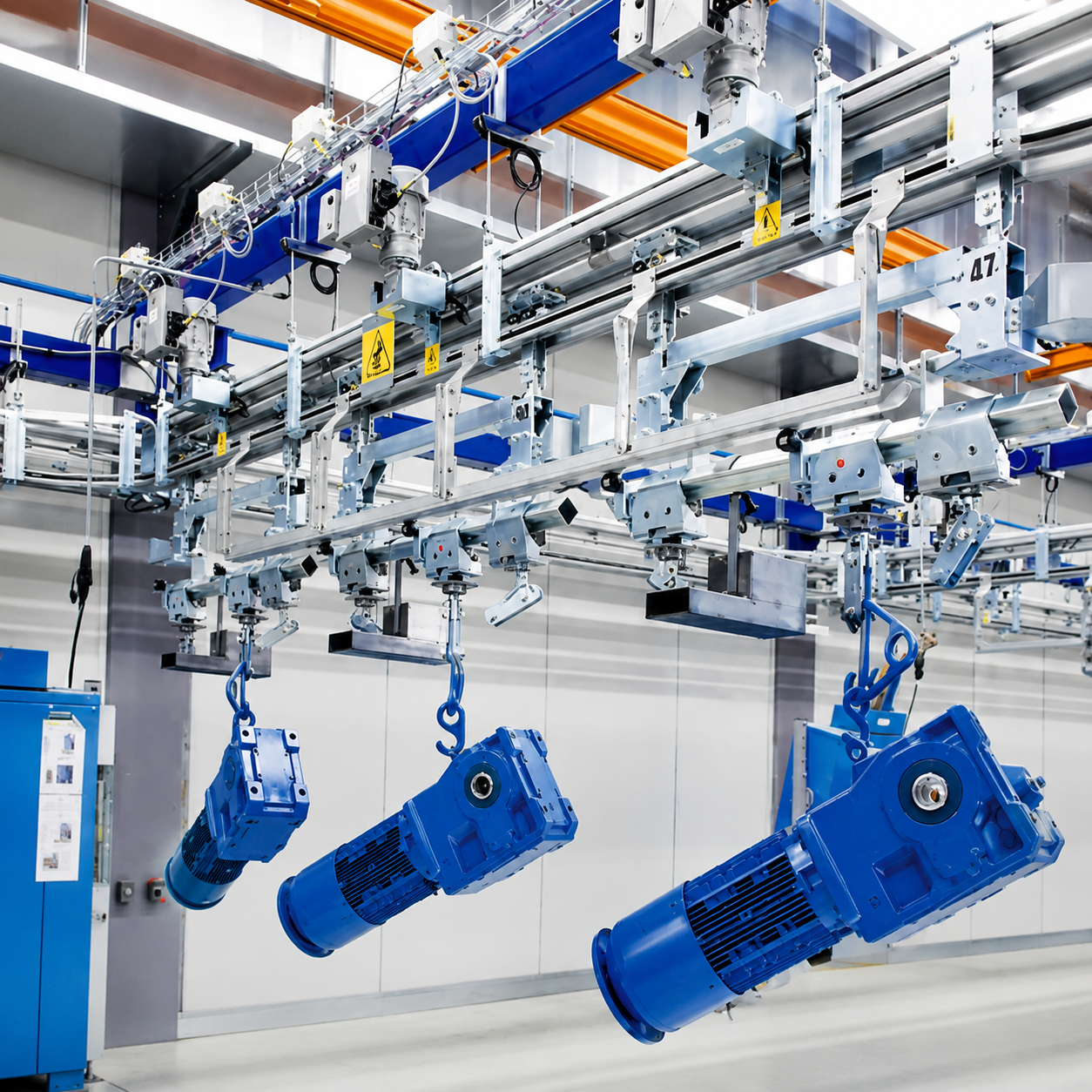
View ConveyorOverhead suspended track. Above-floor handling with continuous trolleys.
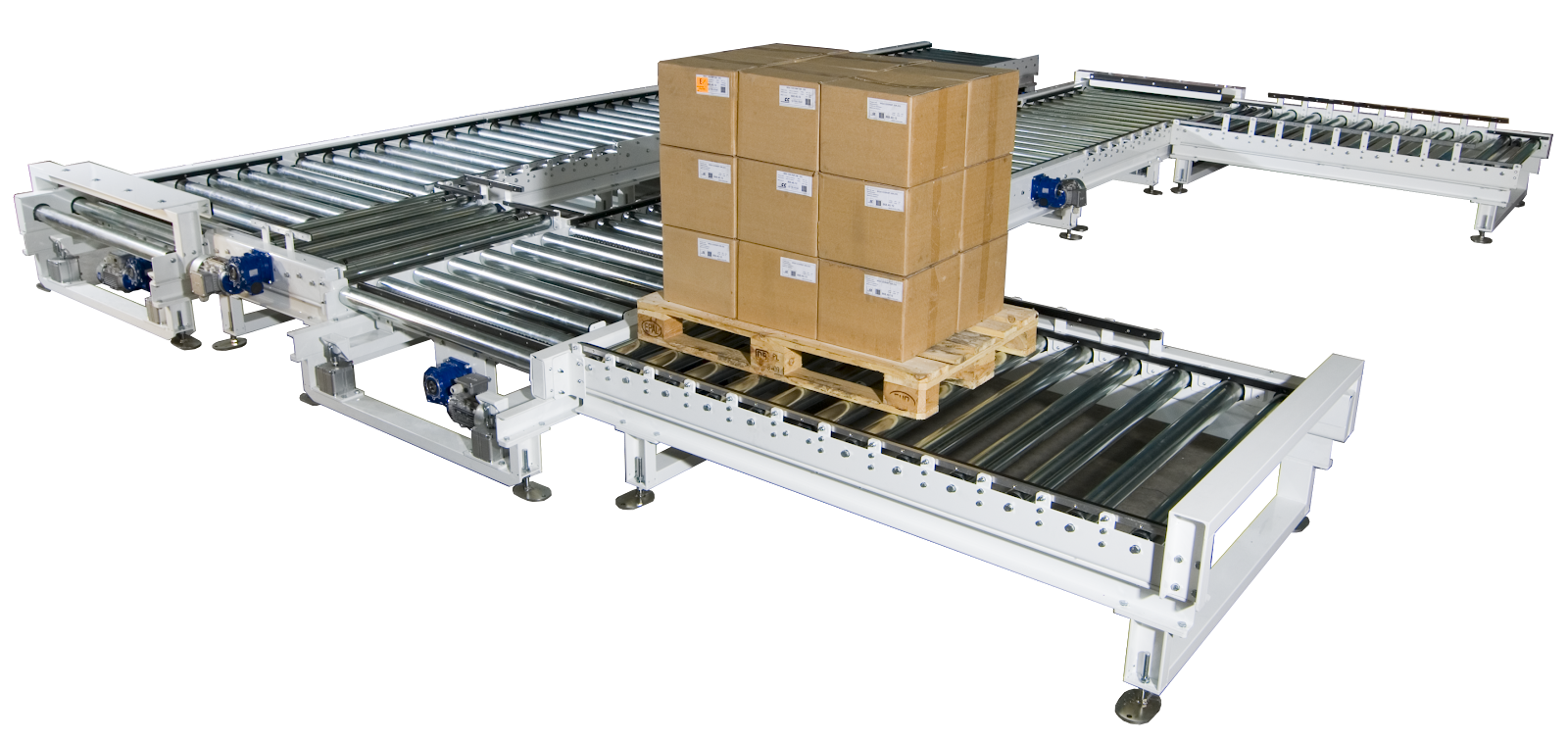
View ConveyorHeavy palletized loads. CDLR for new pallets, Drag Chain for the worst.
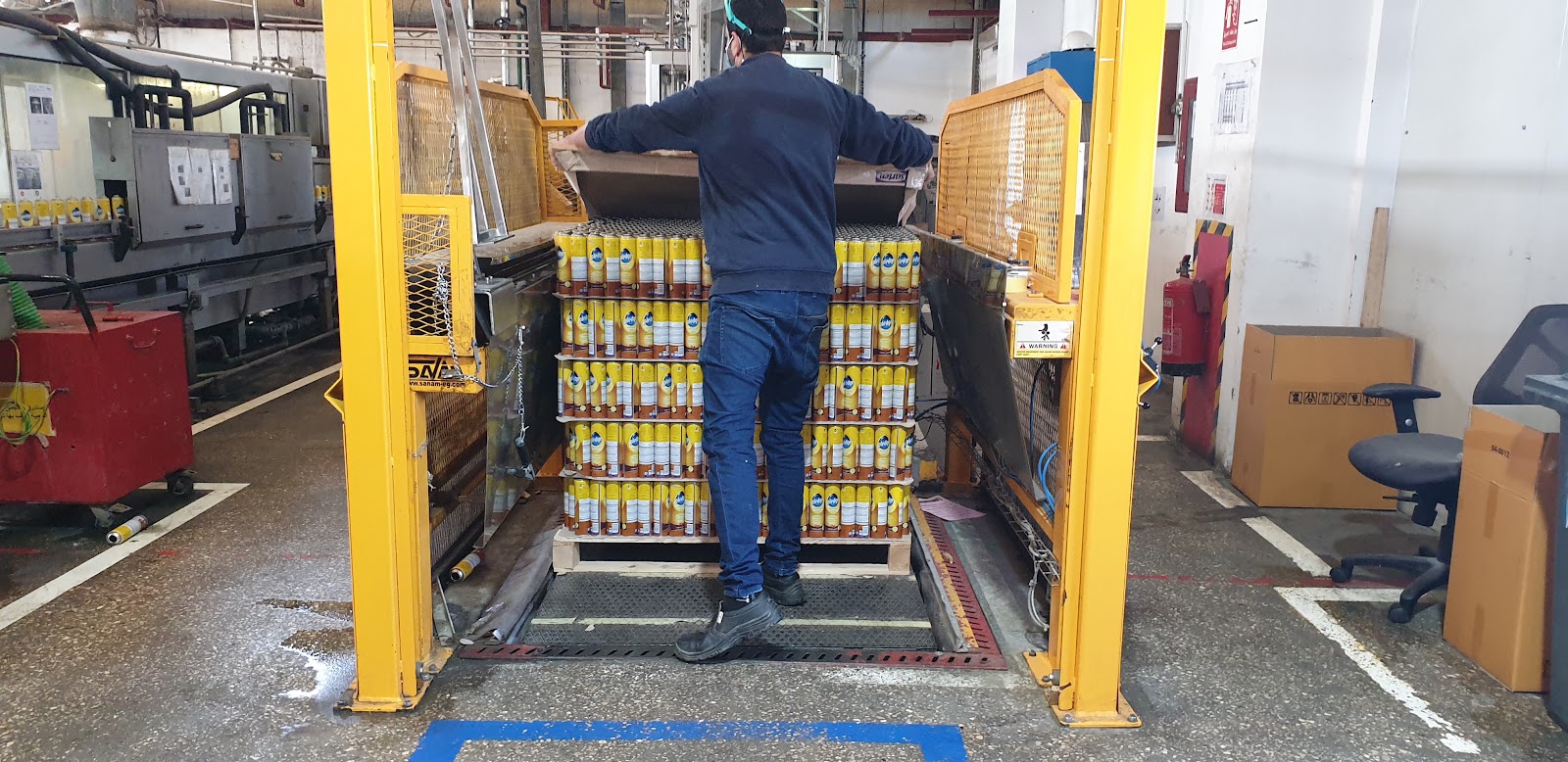
View ConveyorFiller-ready empty containers. Buffered slat chain — proven at SC Johnson.
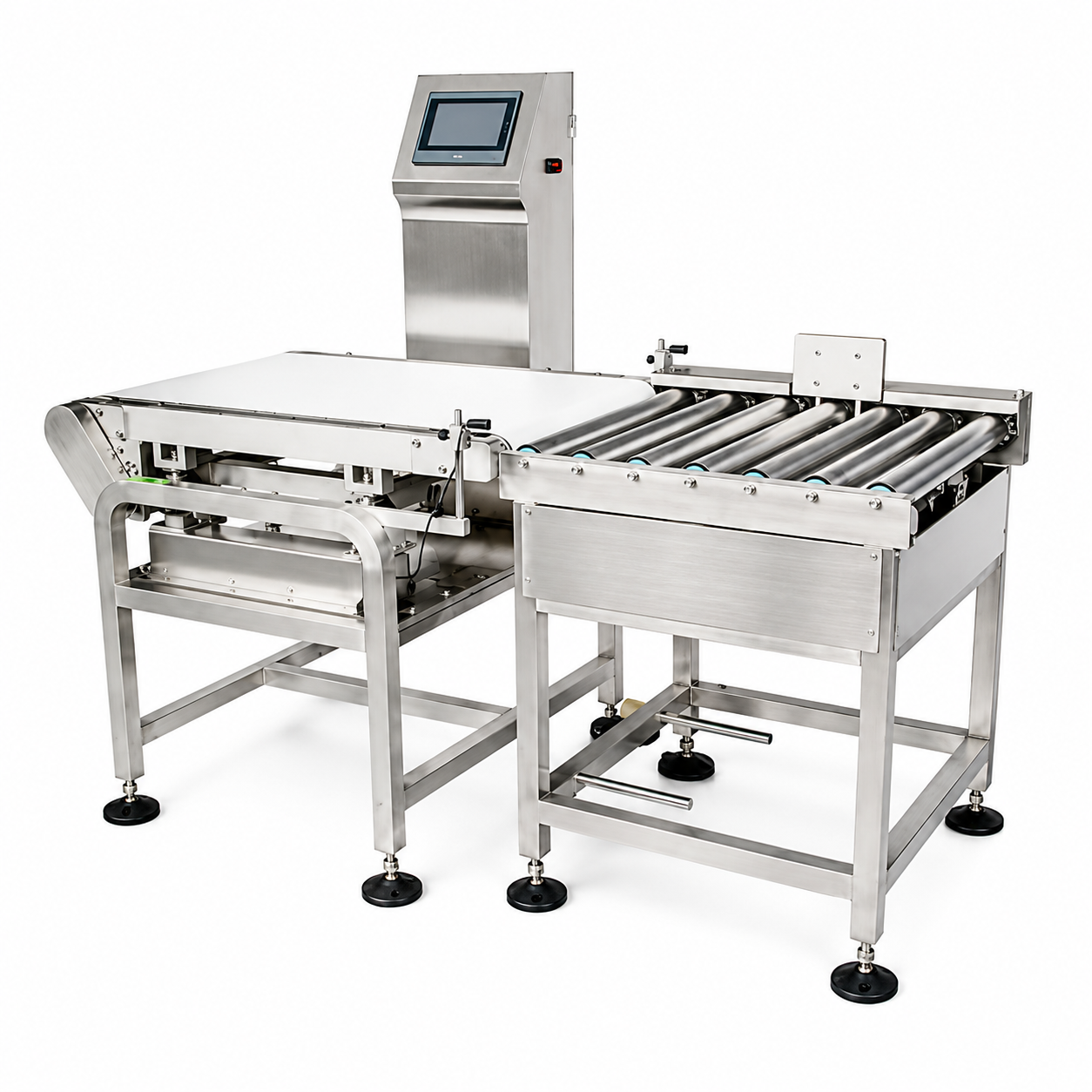
View ConveyorEvery package weighed in motion. Auto-rejects under- or over-weight in milliseconds.
View ConveyorOperator workstation platform. Multi-station assembly lines with PVC or PU belt.
View ConveyorThe complete line. Designed, fabricated, installed, supported by SANAM.
View ConveyorSend us your container type, throughput target, and a sketch or photo of your factory layout if you have one. A SANAM engineer responds within one working day with a scoped technical proposal — no salesperson handoff.
A SANAM engineer will be in touch within one working day. In the meantime, feel free to call us directly at +201118884005.