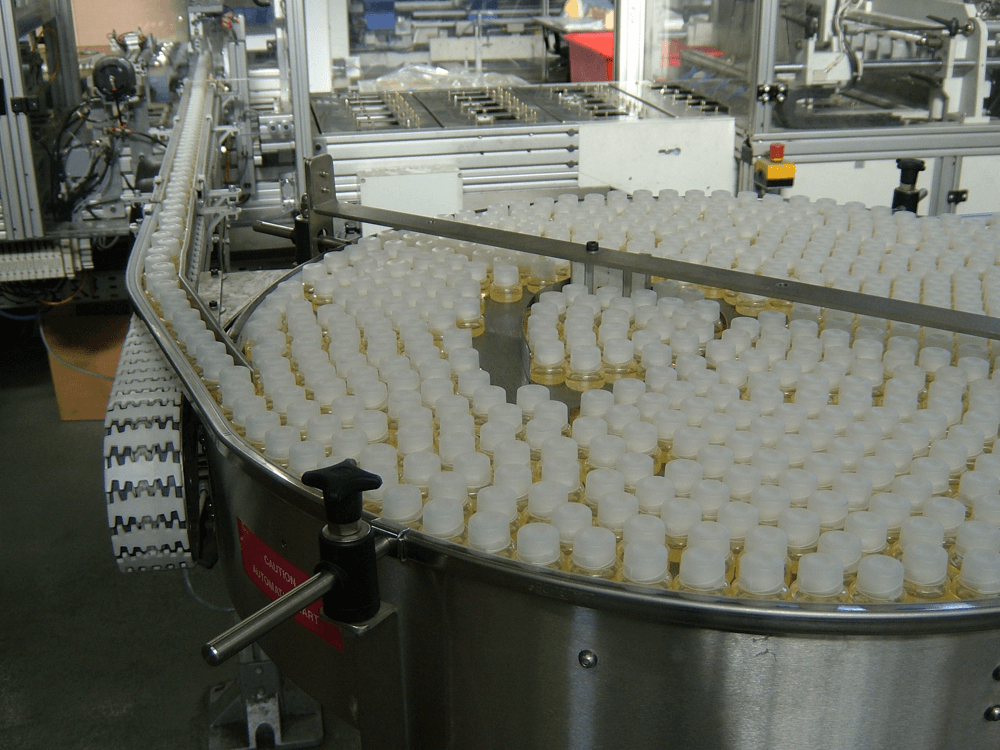
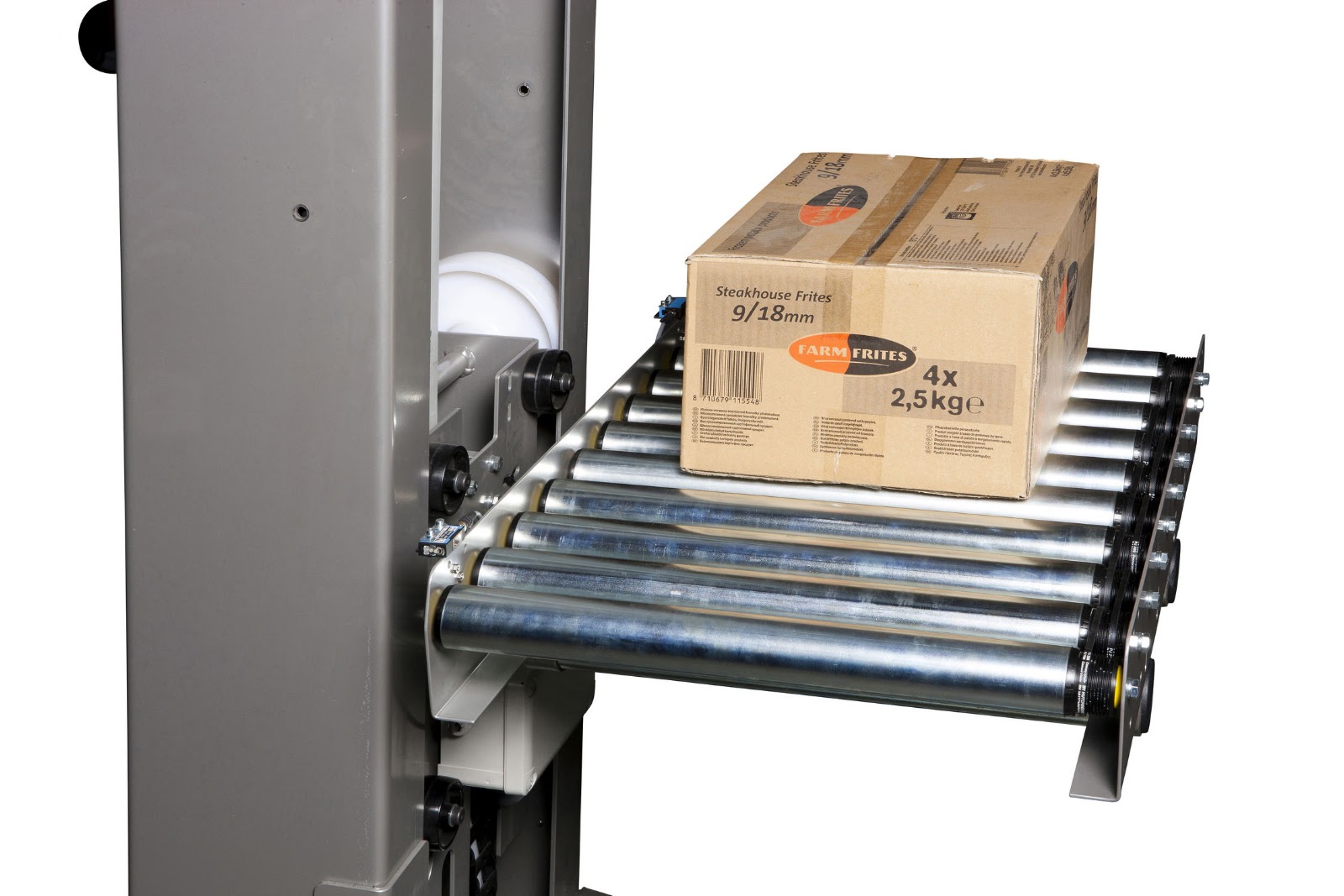
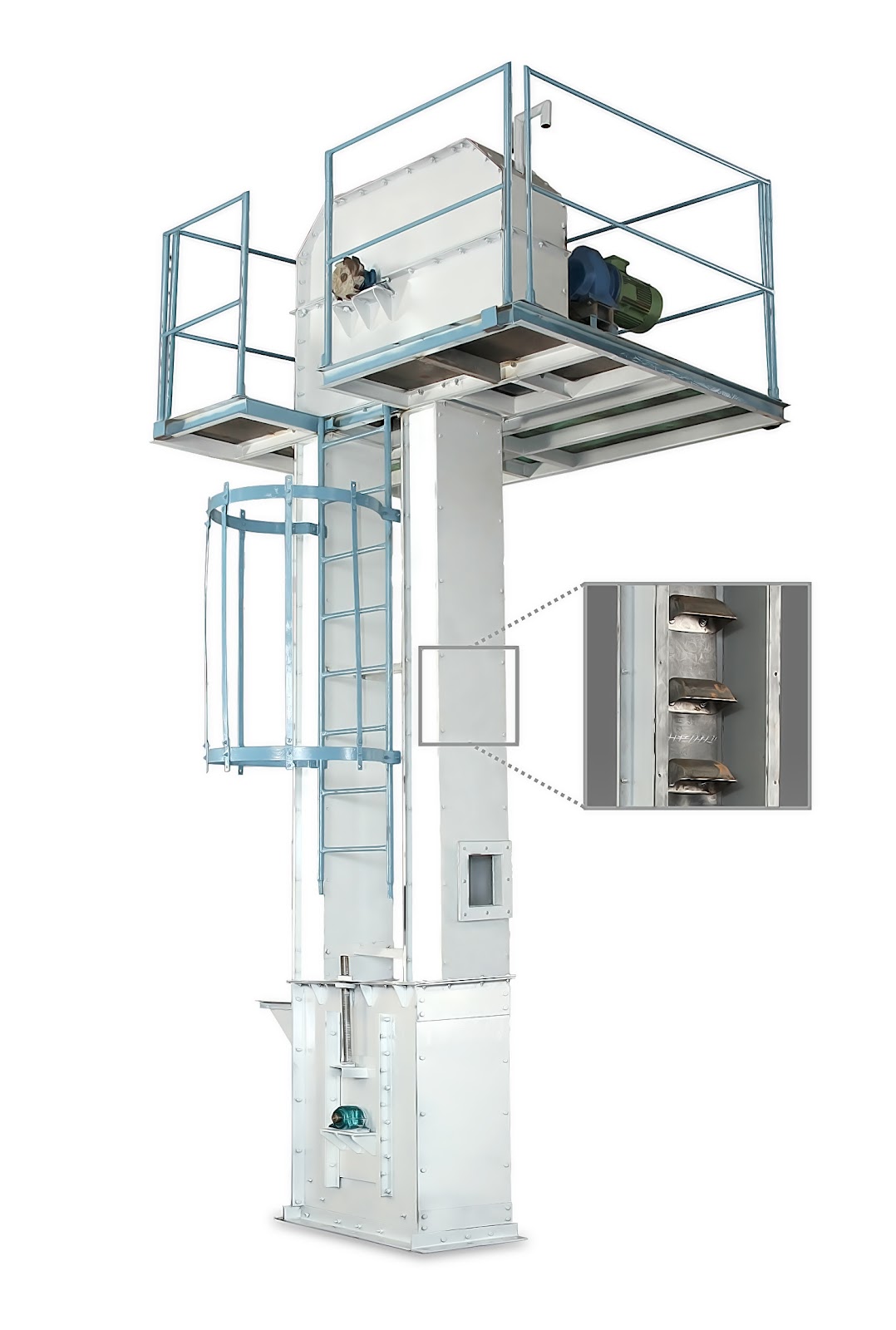
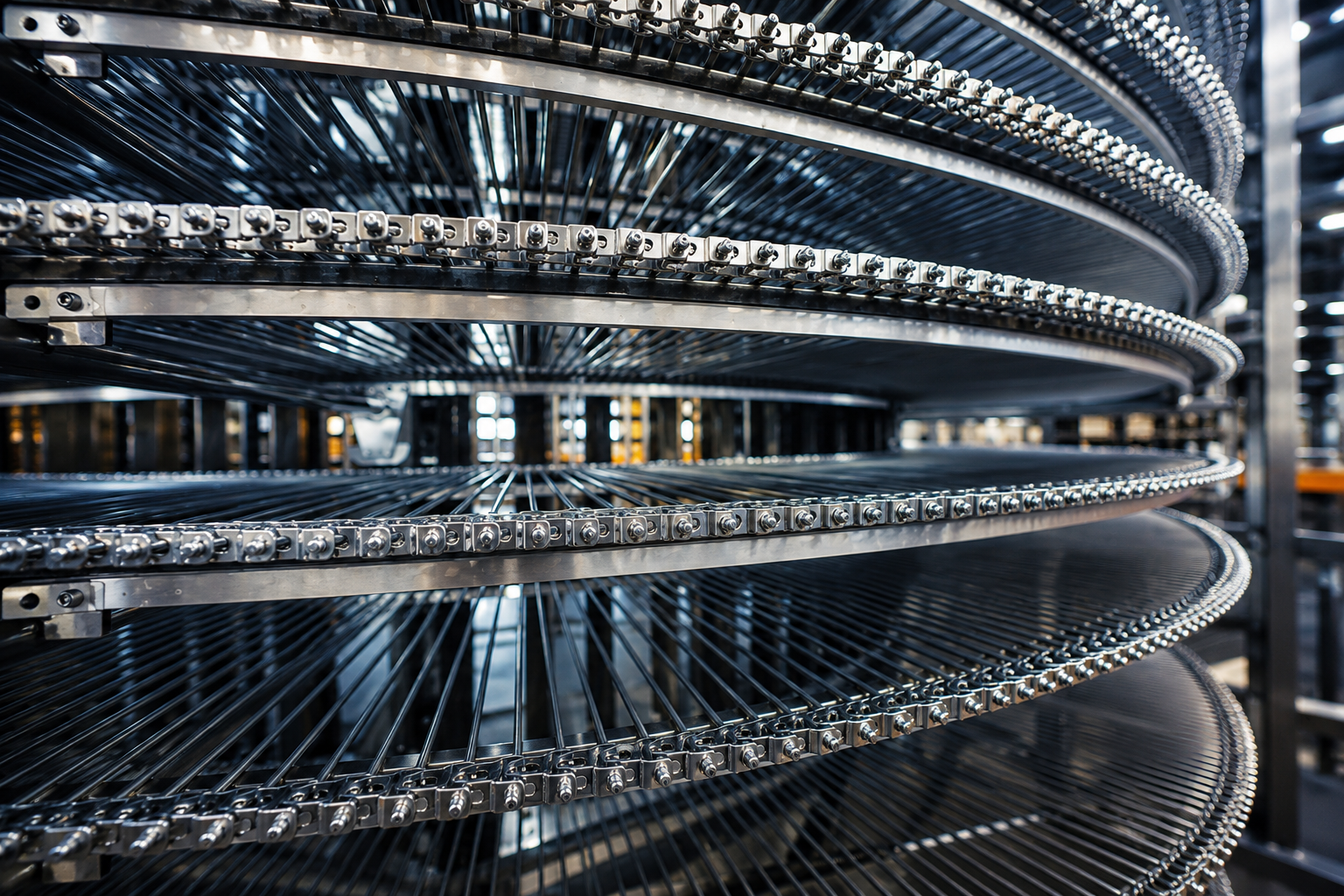
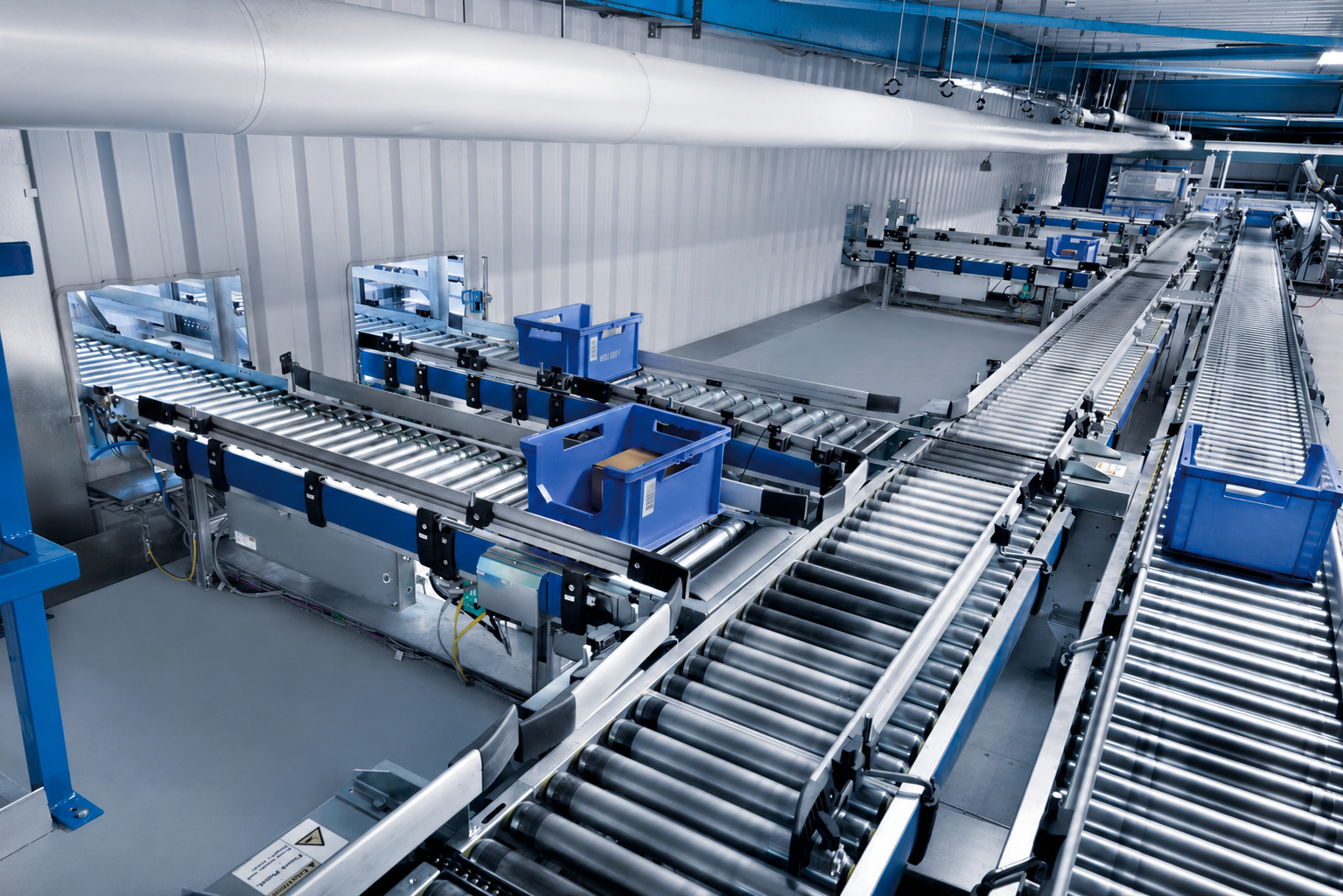
The conveyor your operators stand beside — a work-surface platform that moves the product through multiple stations at the pace your team actually works. Catalog flagship is chain-driven slat with wood or steel slats for appliance assembly: AC units, refrigerators, washing machines, cookers. Belt and roller drives also available for electronics and lighter components. Speed engineered for human work and process time — operator pace, paint cooling, curing, drying, all matched on the same line.
Six things that set a SANAM-built assembly conveyor apart from a generic imported solution — every one of them a decision we make at the engineering desk before fabrication begins.
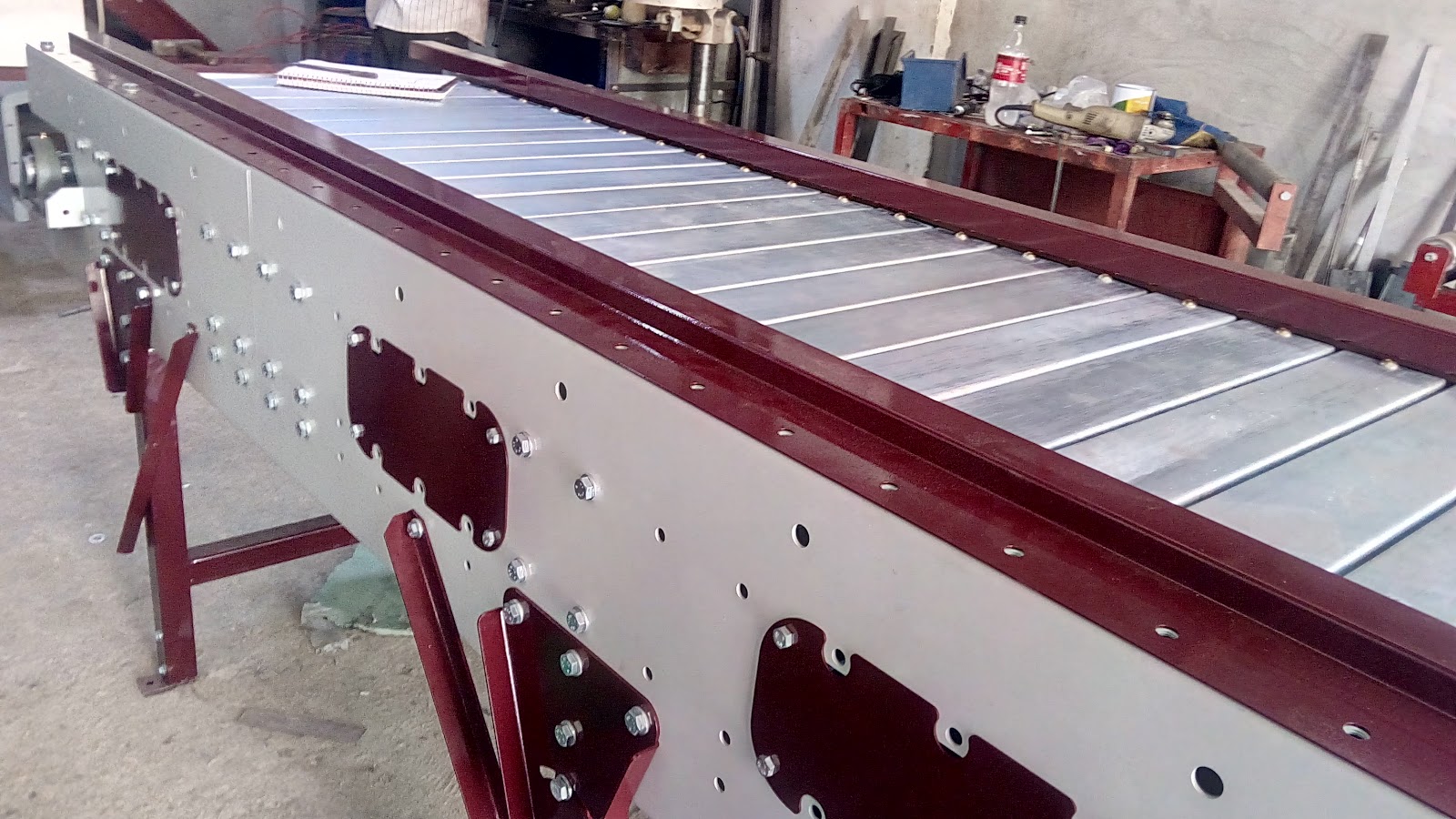
The catalog defines it: conveyor slats either wood or steel. Wood slats for operator comfort — warmer to touch, kinder to dropped tools, quieter. Steel slats for heavier appliance bodies and sharp parts. Either way, the slat surface is rigid enough to mount jigs and fixtures — a workstation, not just transport.
The docx lists all three. Belt-driven for electronics, mobile phones, and lighter parts under 50 kg/m. Roller-driven for sub-assemblies in 50-200 kg range. Chain-driven slat — the catalog flagship — for appliance bodies and automotive sub-assemblies up to several thousand kg/m. SANAM specs the drive based on load and operator interaction.
Assembly conveyor speed serves two functions at once. First, it matches operator work pace — 1 to 10 m/min, calculated from takt time. Second, it gives parallel processes the time they need: parts cooling from paint ovens, sealants curing, solder setting, adhesives drying. SANAM specs against whichever is more constraining.
The conveyor is the spine of the workstation — SANAM integrates tool stands, parts trays at reach height, overhead air drops for pneumatic tools, ergonomic lighting, and side-mounted fixtures that hold the product steady. Slat-top configurations accept direct mounting of jigs and robotic tooling. The whole cell is engineered together, not bought separately.
Continuous motion suits balanced lines where every station takes about the same time — operators work as product passes. Indexing suits precision work, robotic stations, and inspection — line stops at each station, advances when work completes. SANAM specs motion type and PLC logic based on your assembly process; the mechanism supports either mode.
Every assembly conveyor is sized to the product and process — product weight, station count, work at each station, operator reach, ergonomic height, takt time, and upstream/downstream lines. Send us your product geometry, assembly steps, and target throughput — we engineer the whole assembly cell, not just the conveyor in the middle.
The catalog flagship is chain-driven slat with wood or steel slats — built for appliance and automotive assembly. For lighter electronics and smaller-part assembly, belt and roller drives are the right alternative. Pick by load weight and how operators interact with the line.
The catalog flagship — conveyor slats either wood or steel. Chain pulls a continuous surface of slats past the workstations. Wood slats for operator comfort and tool-friendly surface; steel slats for heavier loads and sharp parts. Handles loads up to several thousand kg per linear meter. The catalog explicitly names AC, refrigerator, washing machine, and cooker assembly as the four applications.
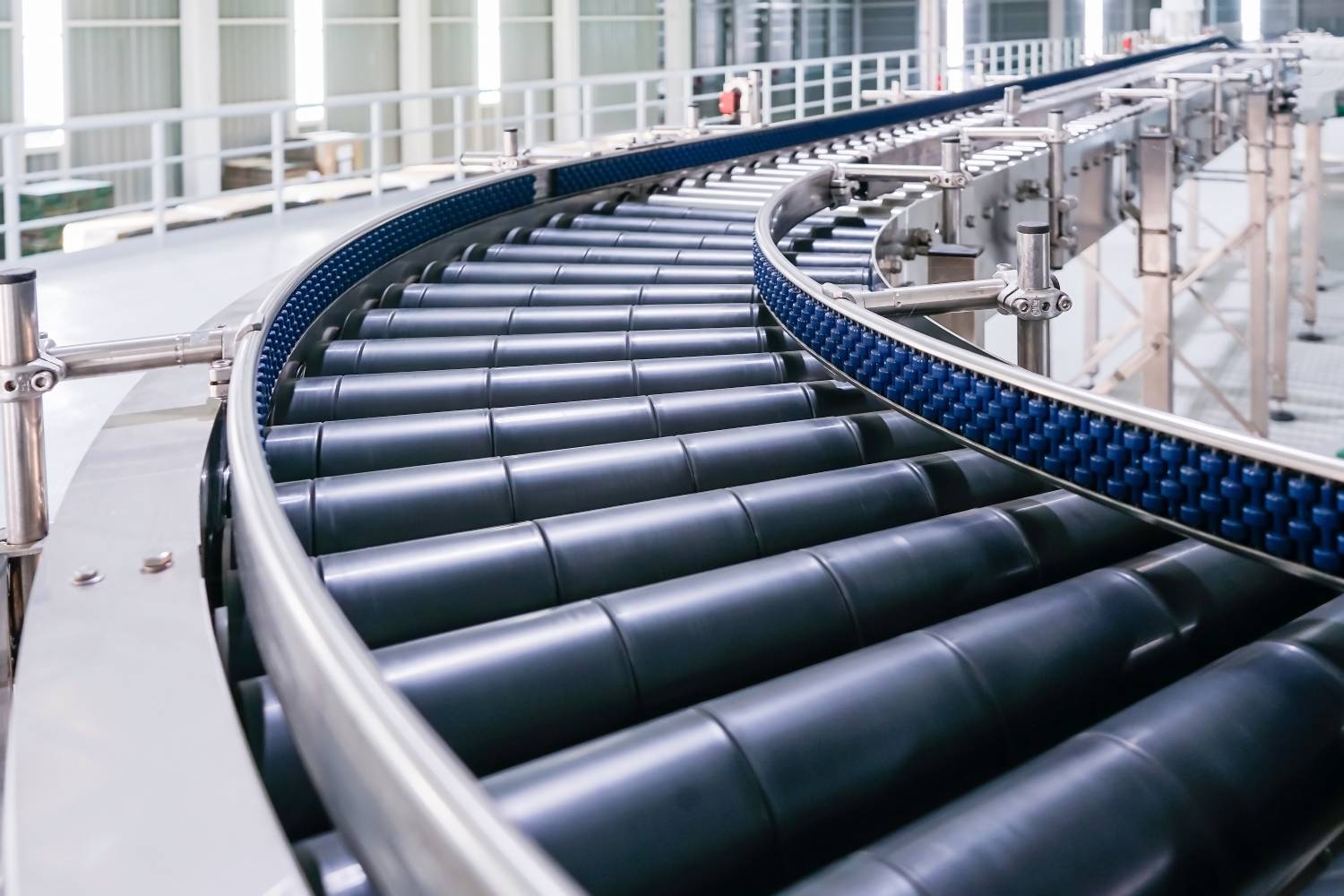
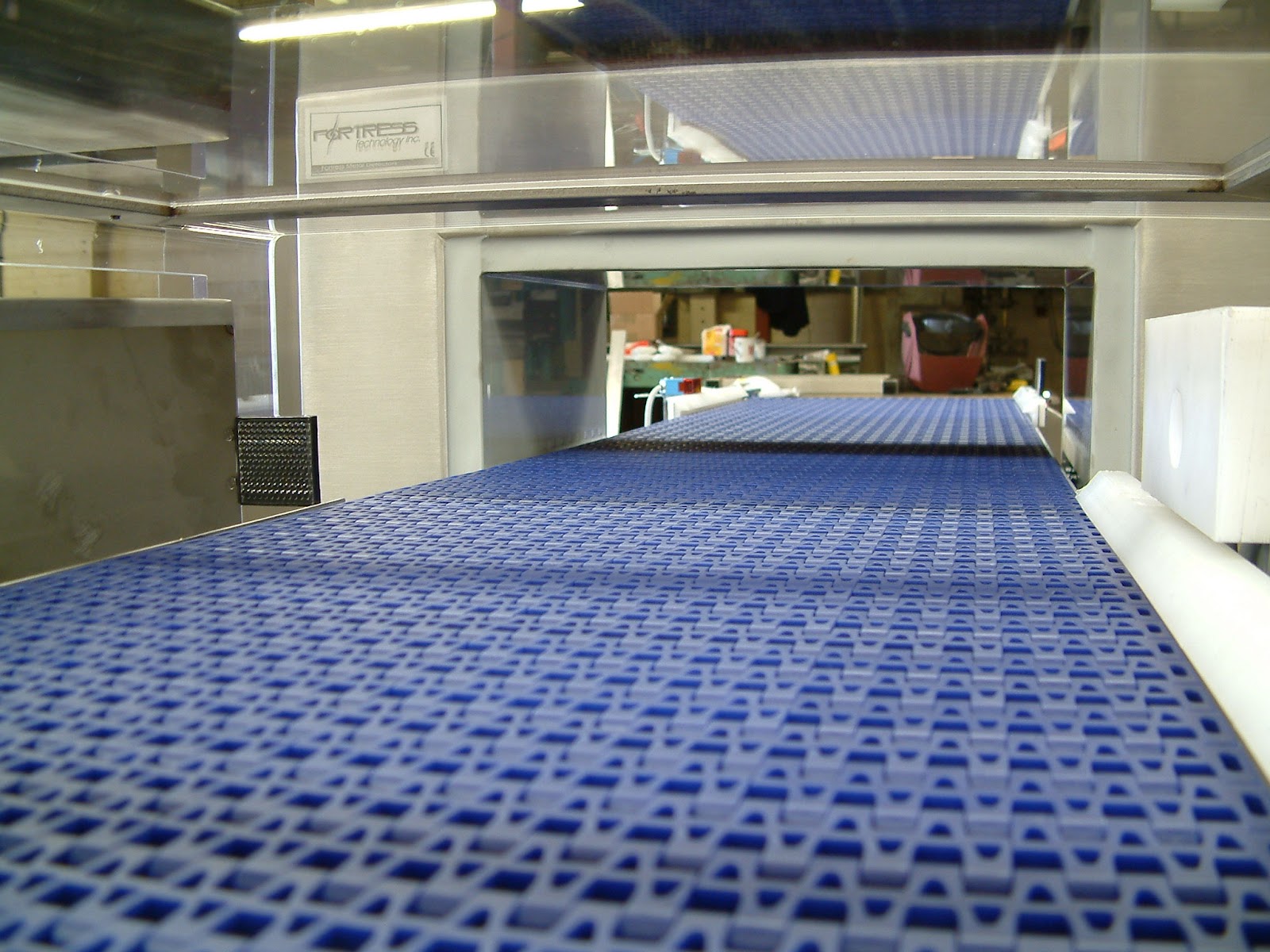
Request Technical Data Sheet →For electronics, mobile phones, small appliances, and sub-assemblies under 200 kg per linear meter. Belt-driven gives a smooth continuous surface — best for small parts that should not catch on roller gaps. Roller-driven gives easier product rotation and accumulation between stations. Both run quieter and cost less than chain-driven slat, but cannot carry the heavy loads of the catalog flagship.
Request Technical Data Sheet →Six industries where products need multi-station work — operators or robots assembling, inspecting, testing, or packaging the product as it moves through the line. Catalog flagship four appliance categories named directly.
The catalog flagship. Refrigerator shells, washing machine cabinets, water-heater tanks, oven bodies through wash, paint, and final assembly. Major Egyptian customer base: Olympic/Kiriazi, Toshiba El-Araby, Fresh, Bawer.
Catalog names this application as AC unit assembly lines. Indoor and outdoor AC units through component fitting, refrigerant charging, wiring, testing, packaging — multi-station work that needs a steady slow conveyor.
Engine sub-assemblies, dashboards, door panels, seat frames moving through fitting, welding, fasteners, and inspection. Steel slats for the weight; chain drive carries loads up to several thousand kg per meter.
Smartphones, tablets, TVs, set-top boxes, small kitchen appliances through PCB insertion, screen mounting, casing, testing, packaging. Belt-driven for lighter loads; ESD-safe surfaces where static matters.
Cabinets, doors, panel furniture through edge banding, drilling, hardware installation, and final assembly. Wood slats are the natural choice — same material as the product, kind to finished surfaces.
Pumps, valves, motors, small machinery, finished cartons through final assembly, function testing, visual inspection, and packing. Indexing motion lets each station hold the product still while QC inspects.
Anyone can sell you a conveyor. The question is who picks up the phone six months later when a chain segment fails on a Sunday night.
The conveyor is designed, fabricated, and assembled in our 10th of Ramadan facility — by the same team that installs and supports it. No middleman, no resold equipment, no relabeled imports.
We design around your factory floor, your existing fillers and packers, and your container specs. We don't sell standard parts hoping they fit — we design for your line.
Spares are typically available within 48 hours from our Egyptian inventory — no import waits, no customs delays, no production downtime while you wait for a chain segment from Europe.
We don't just supply a conveyor. We connect it to your existing line — matching speed, height, and transfer geometry to your fillers, cappers, labelers, and packers. The line becomes one system, not a stack of disconnected machines.
The questions our engineering team hears most often when a factory owner is sizing up a new conveyor for an existing or new line.
A SANAM engineer can scope your line, walk you through the choices, and give a budgetary figure on the same call.
Talk to an Engineer →8 belt types, one platform. PVC, PU, or rubber on steel or stainless frames.
View ConveyorGravity (GRC) or motorized (MRC). Plastic, steel, or SS 304 rollers per application.
View ConveyorBeverage-line backbone. Food-grade plastic or SS 304 segmented chain.
View ConveyorFood-grade modular belt. Interlocking modules on SS 304 frame.
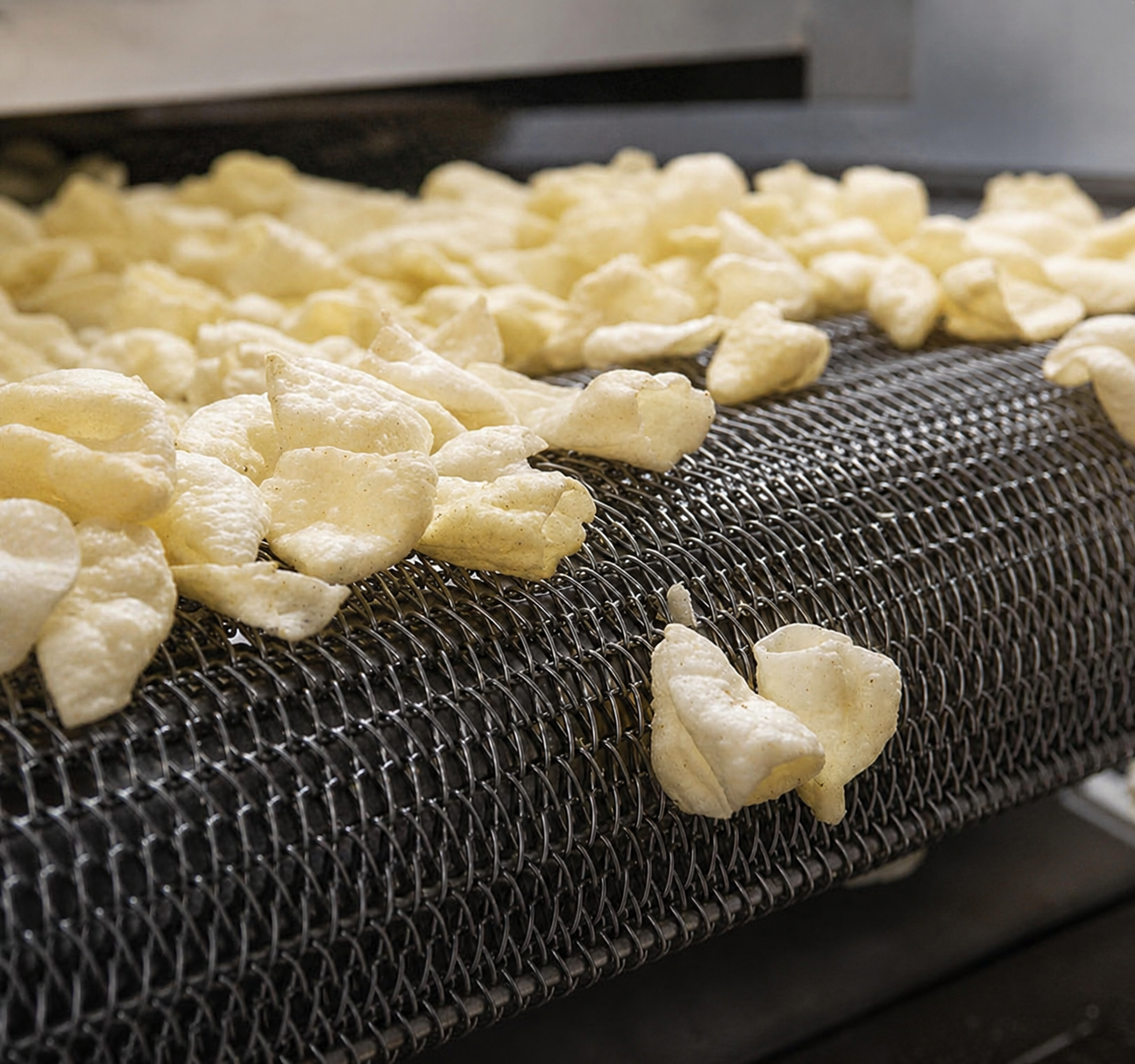
View ConveyorThe belt IS part of the process. Open mesh for cooling, freezing, washing, frying.
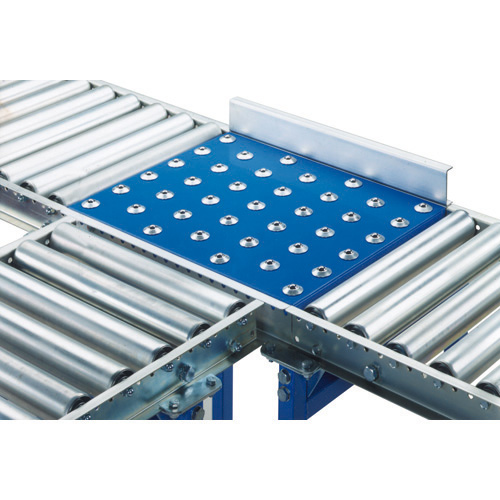
View ConveyorMulti-directional positioning. Steel or SS 304 surface with embedded ball units.
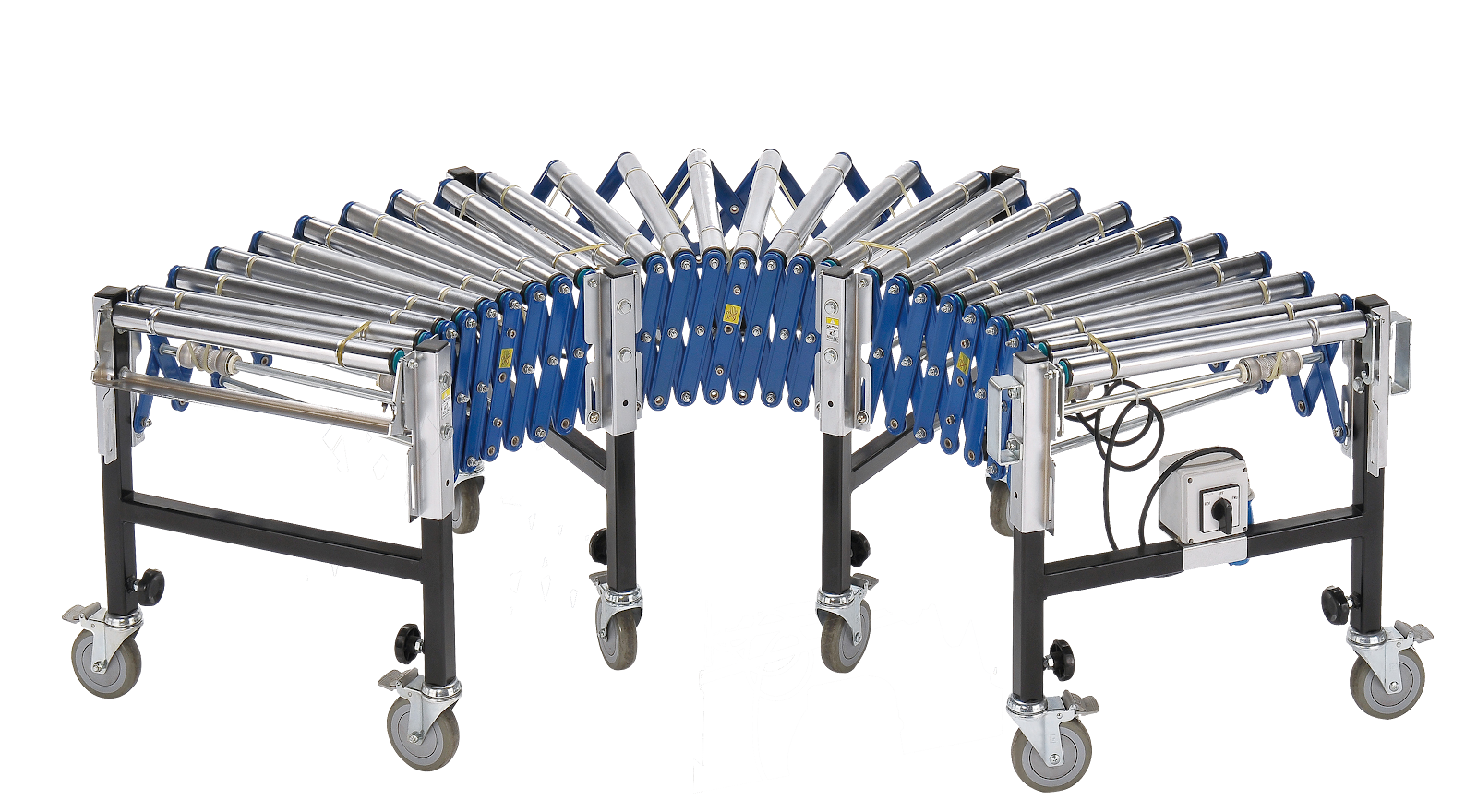
View ConveyorAccordion-folds and curves. Lightweight cartons through flexible layouts.
View ConveyorInfeed or outfeed buffer. SS 304 disc with VFD speed control.
View ConveyorLifts between floors. Continuous CVC or reciprocating RVC platforms.
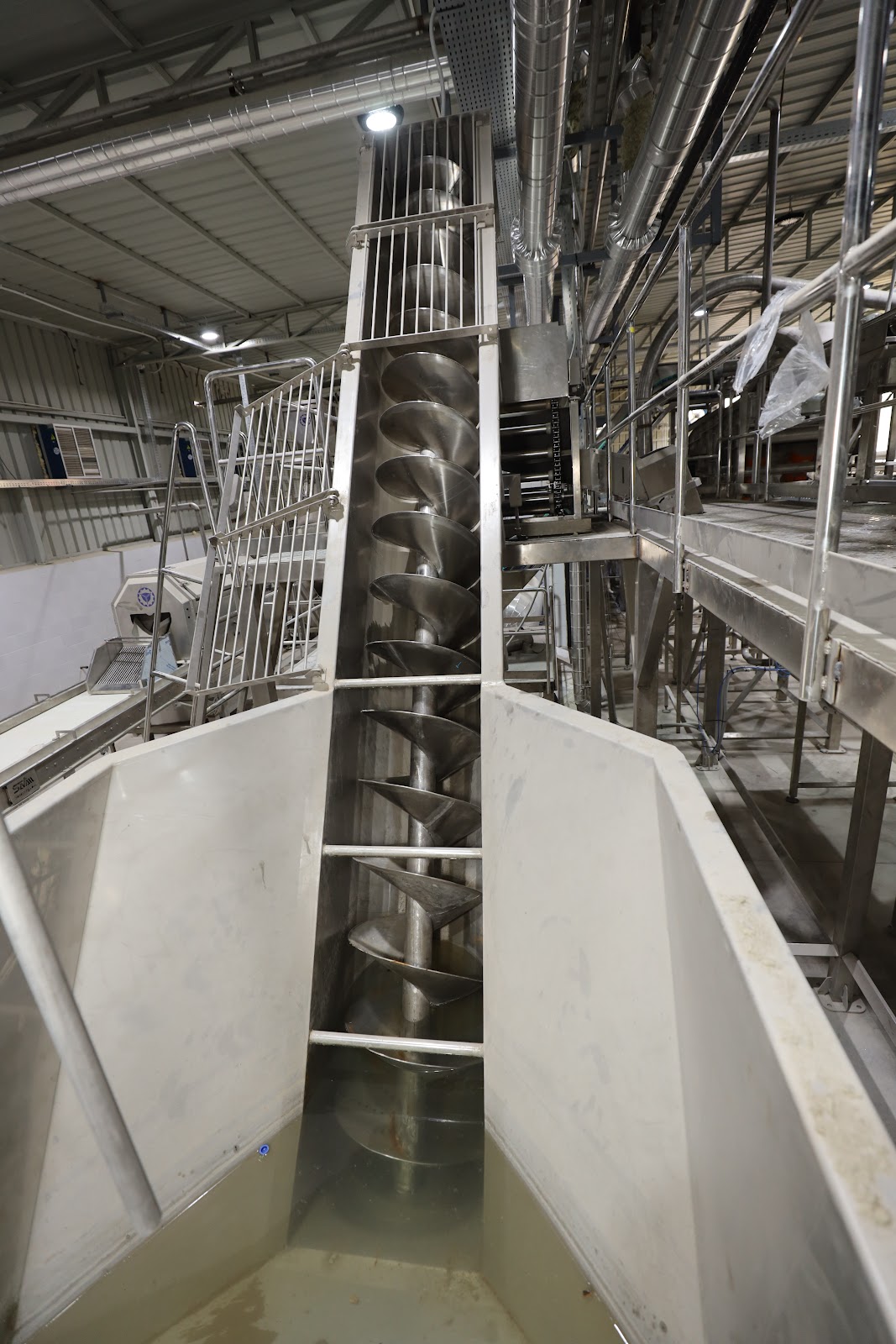
View Conveyor5 to 700 tons/hour vertical lift. Sealed casing for grains, powders, bulk solids.
View Conveyor4-6 sqm footprint, hundreds of meters of belt. Cooling, freezing, proofing, accumulation.
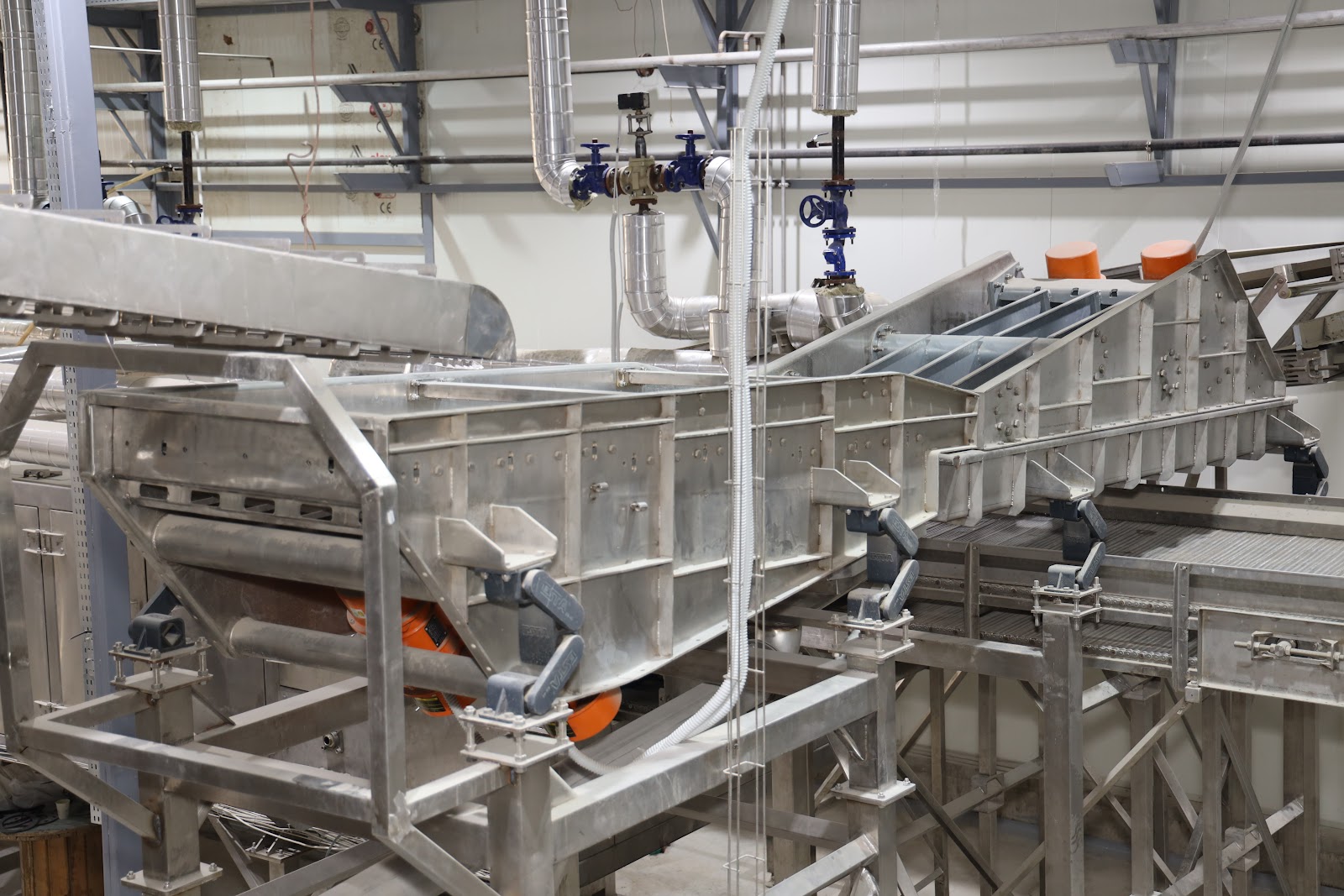
View ConveyorGentle on fragile or granular. SS 304 trough with twin-motor drive.
View ConveyorBulk in a sealed trough. Dust-tight transport with optional cooling jacket.
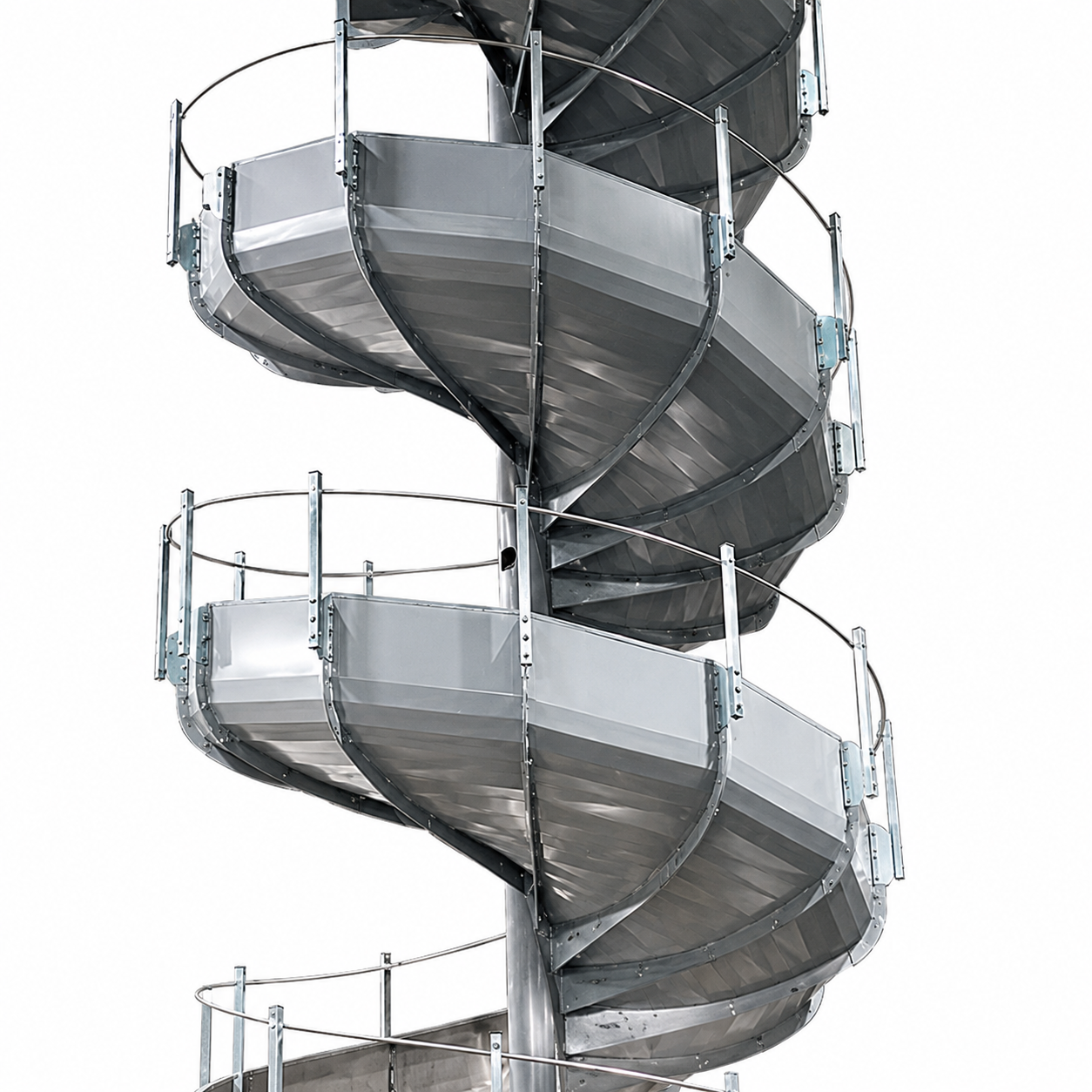
View ConveyorGravity transfer. No motor. Single or spiral chutes in SS 304 or steel.
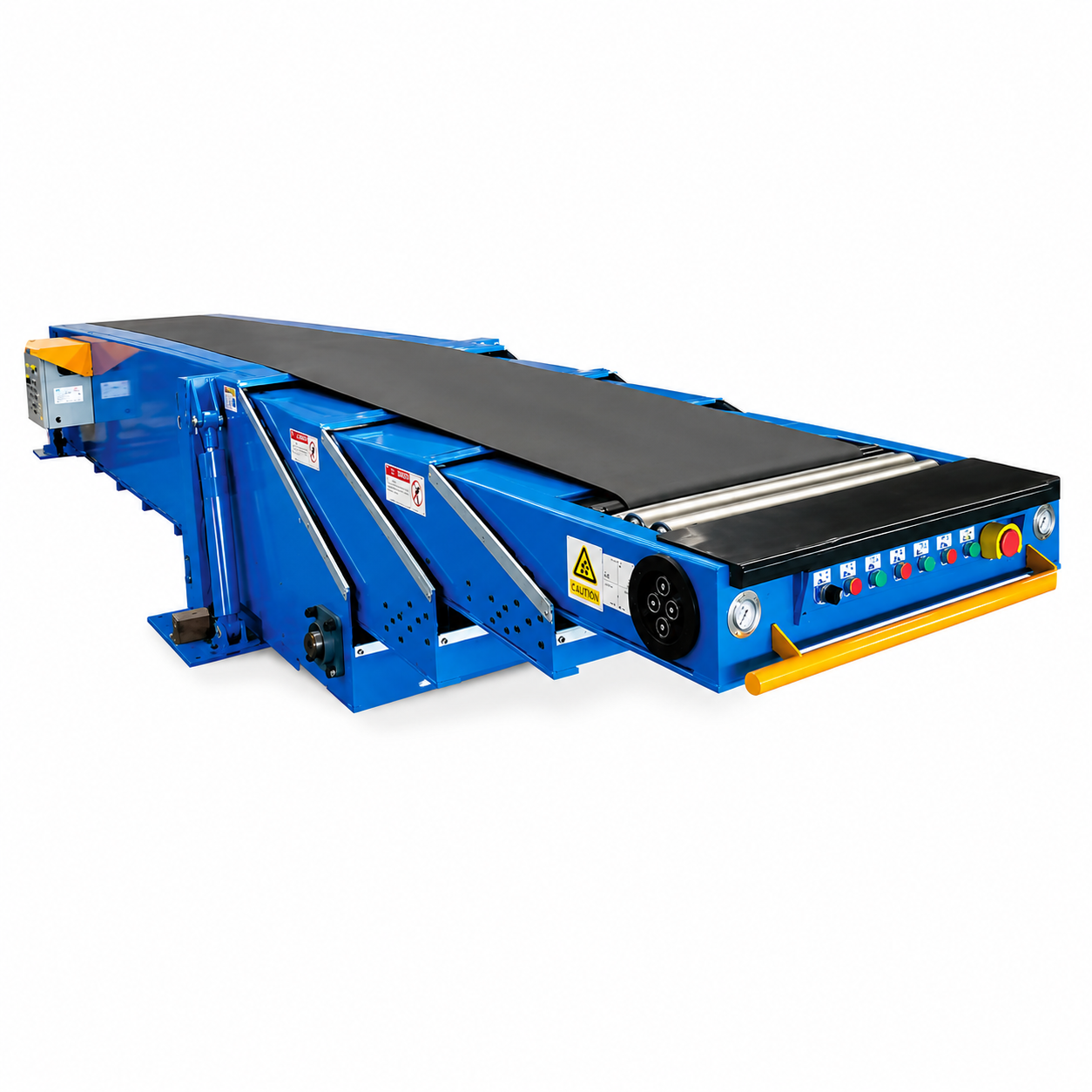
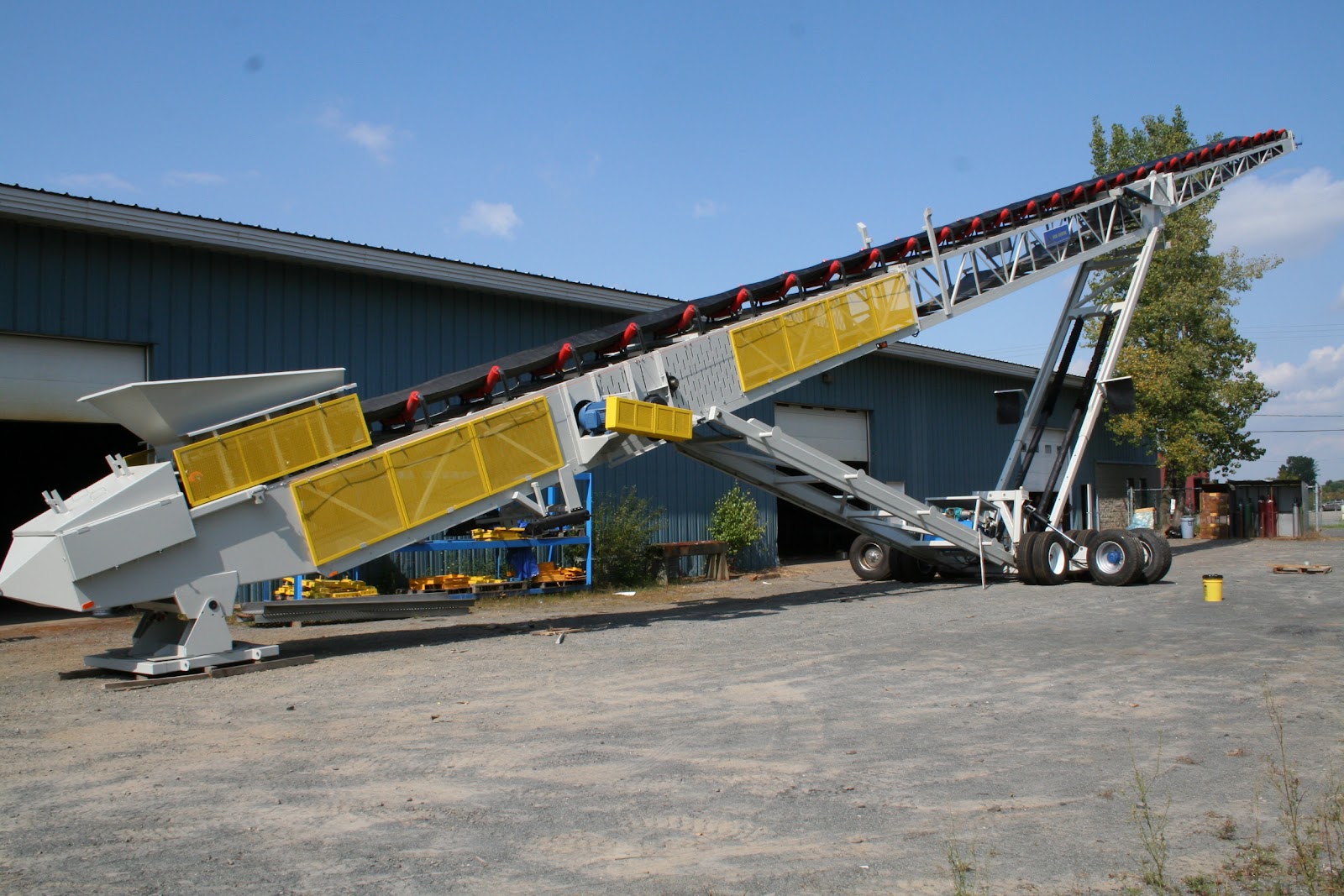
View ConveyorReaches 20m deep into trailers. Multi-stage extending boom for loading docks.
View ConveyorPortable on wheels. Truck loading at fixed docks or dockless yards.
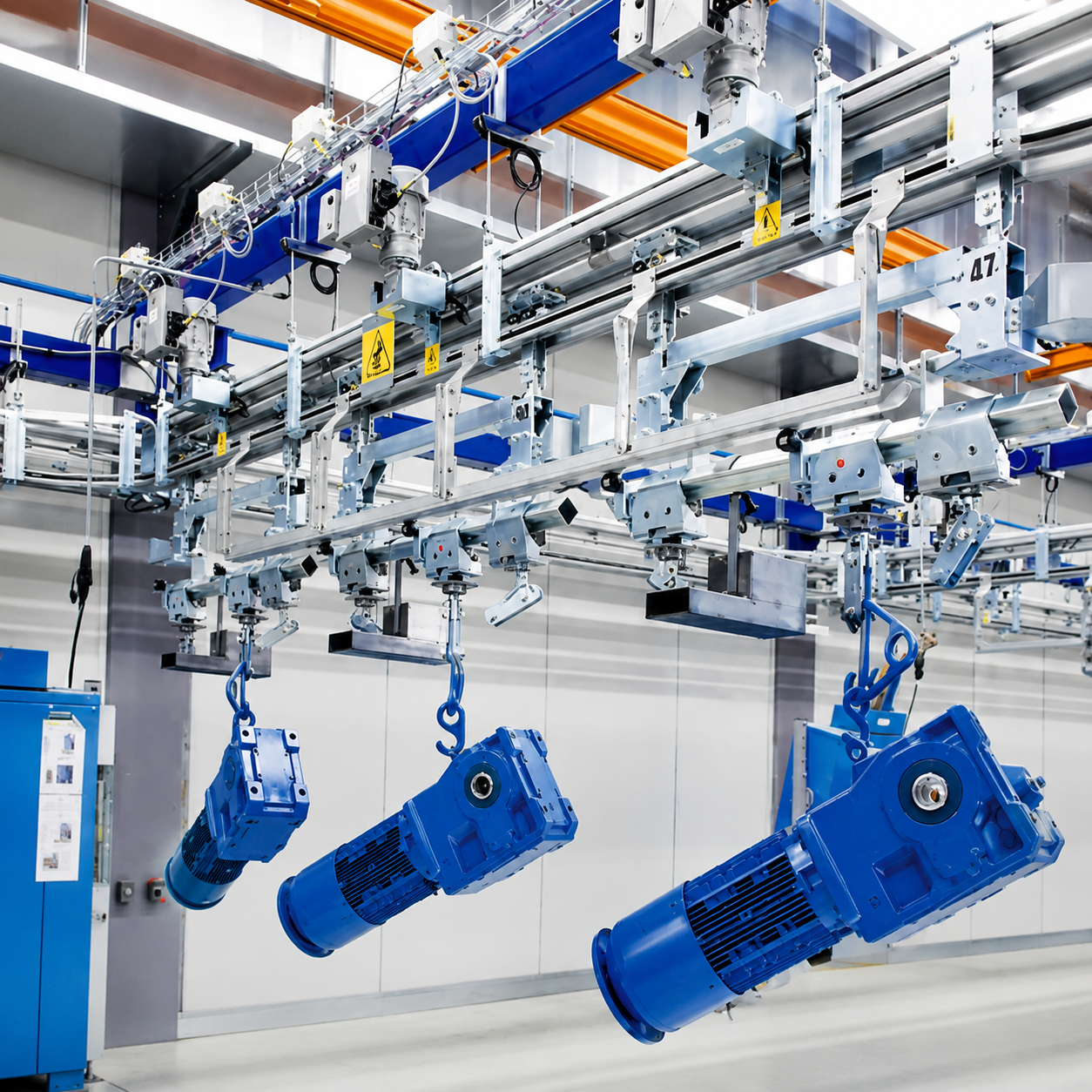
View ConveyorOverhead suspended track. Above-floor handling with continuous trolleys.
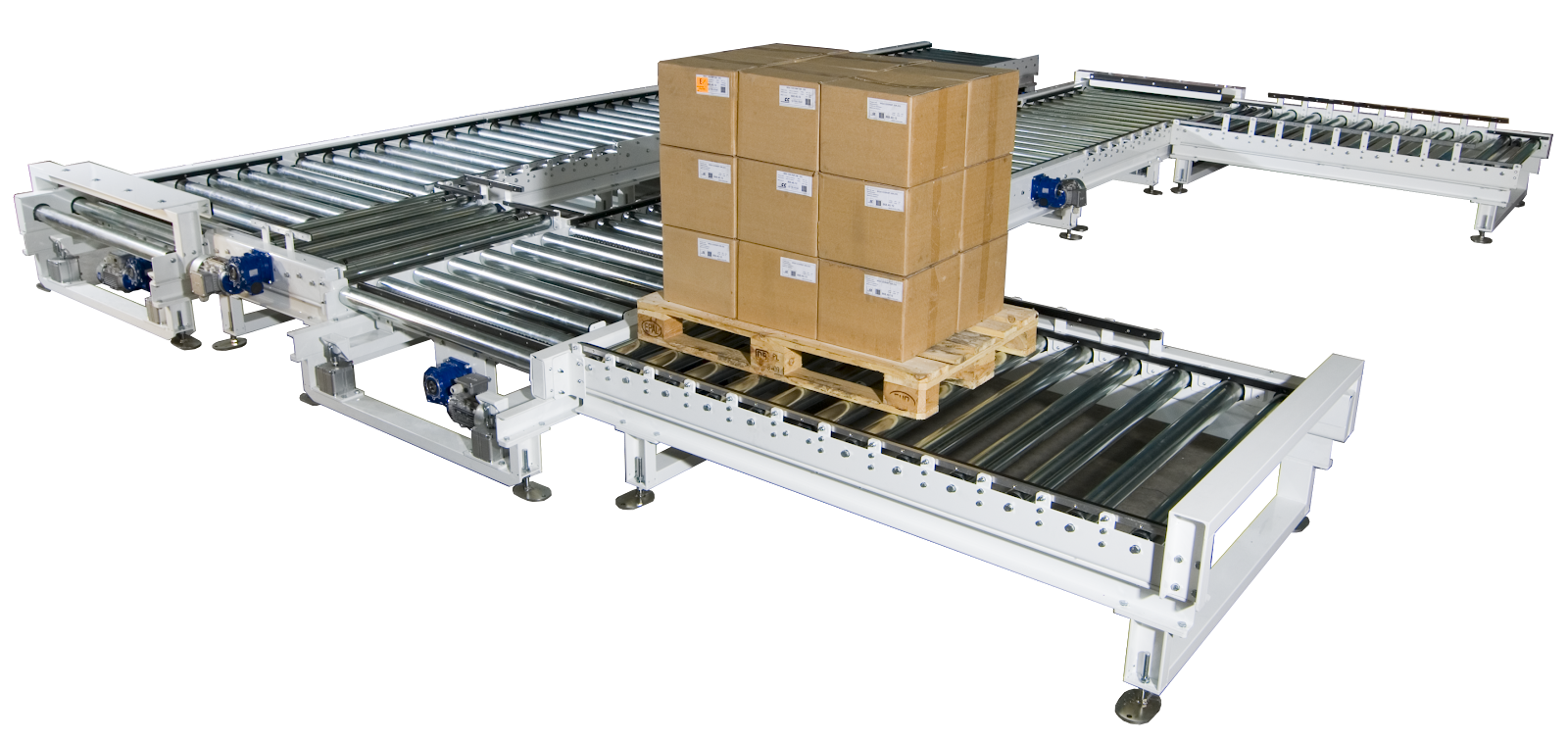
View ConveyorHeavy palletized loads. CDLR for new pallets, Drag Chain for the worst.
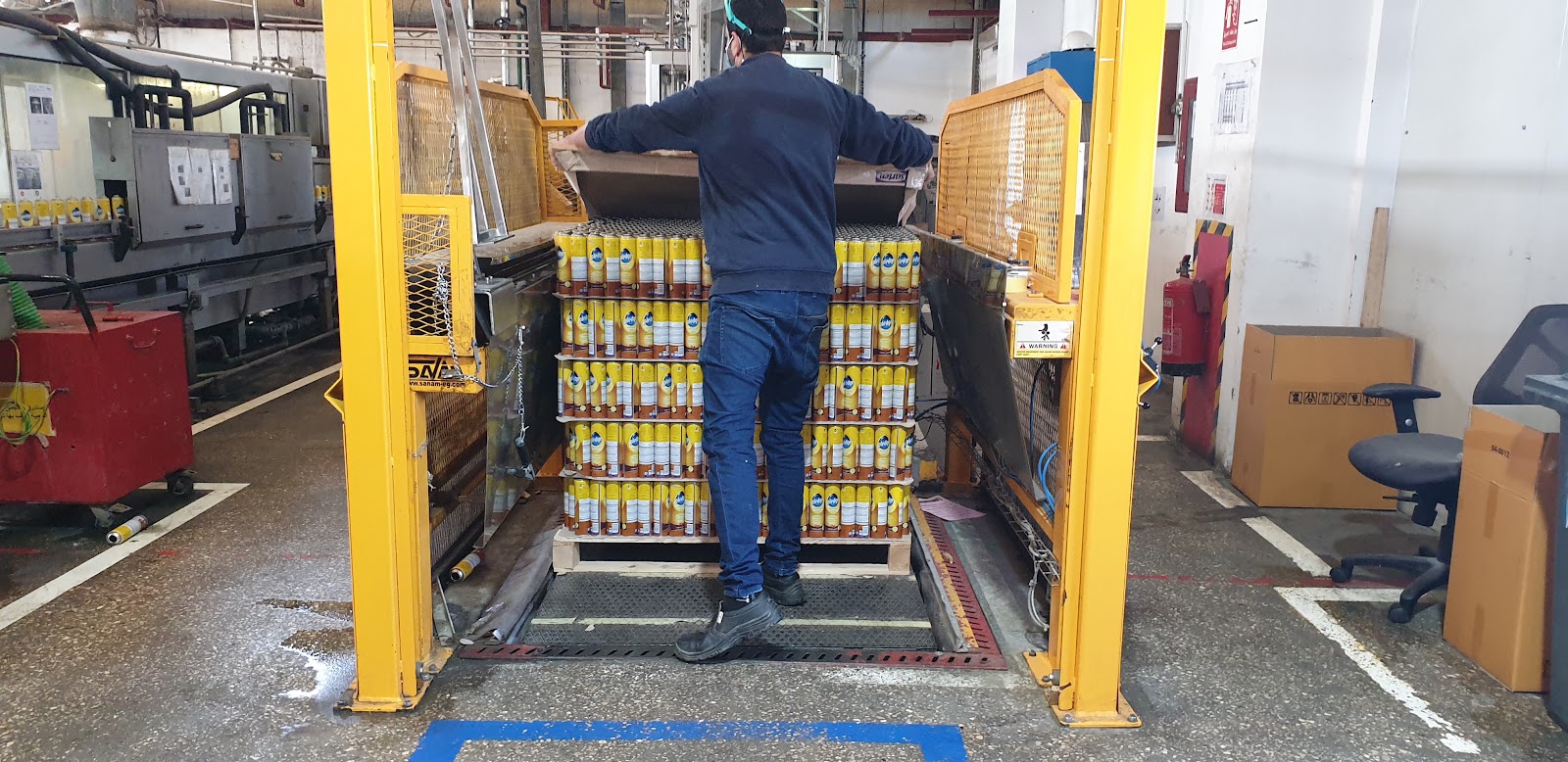
View ConveyorFiller-ready empty containers. Buffered slat chain — proven at SC Johnson.
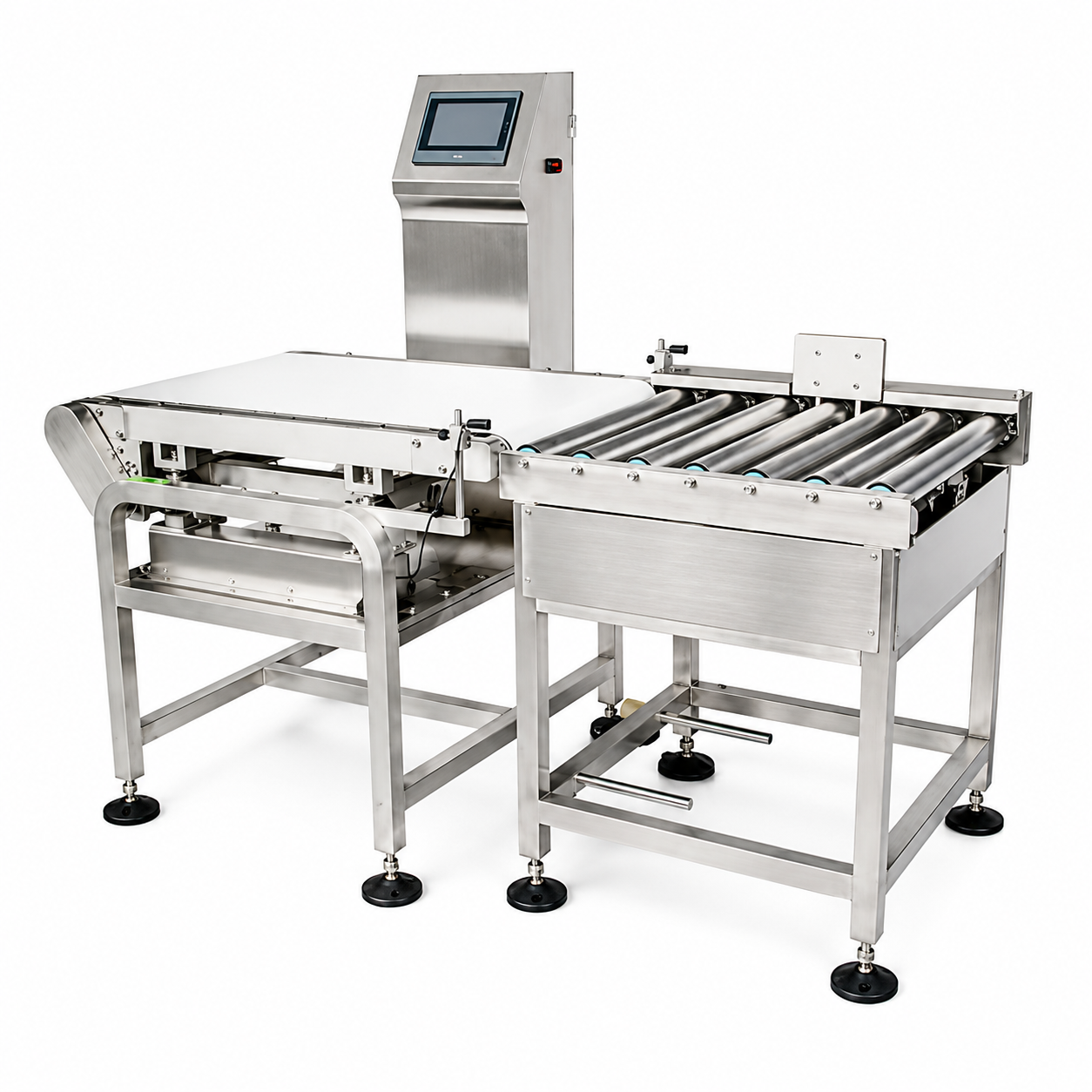
View ConveyorEvery package weighed in motion. Auto-rejects under- or over-weight in milliseconds.
View ConveyorThe complete line. Designed, fabricated, installed, supported by SANAM.
View ConveyorSend us your container type, throughput target, and a sketch or photo of your factory layout if you have one. A SANAM engineer responds within one working day with a scoped technical proposal — no salesperson handoff.
A SANAM engineer will be in touch within one working day. In the meantime, feel free to call us directly at +201118884005.